


Can Ceramides Help With Fine Lines? A Skin Barrier Guide
Table of Contents
- Can Ceramides Help With Fine Lines?
- Ceramides vs Retinol for Wrinkles: Which Works Better
- How to Use Ceramides in Your Skincare Routine
- Signs of a Damaged Skin Barrier and How Ceramides Repair It
Last Updated: August 9, 2026
Can Ceramides Help With Fine Lines?
Yes, ceramides help with fine lines by strengthening your skin barrier and improving hydration retention. When your skin barrier is compromised, it loses water rapidly through transepidermal water loss, making fine lines appear more pronounced. Ceramides restore the lipid barrier, the protective layer that keeps moisture locked in your skin. A well-hydrated skin barrier looks plumper, smoother, and noticeably less lined.
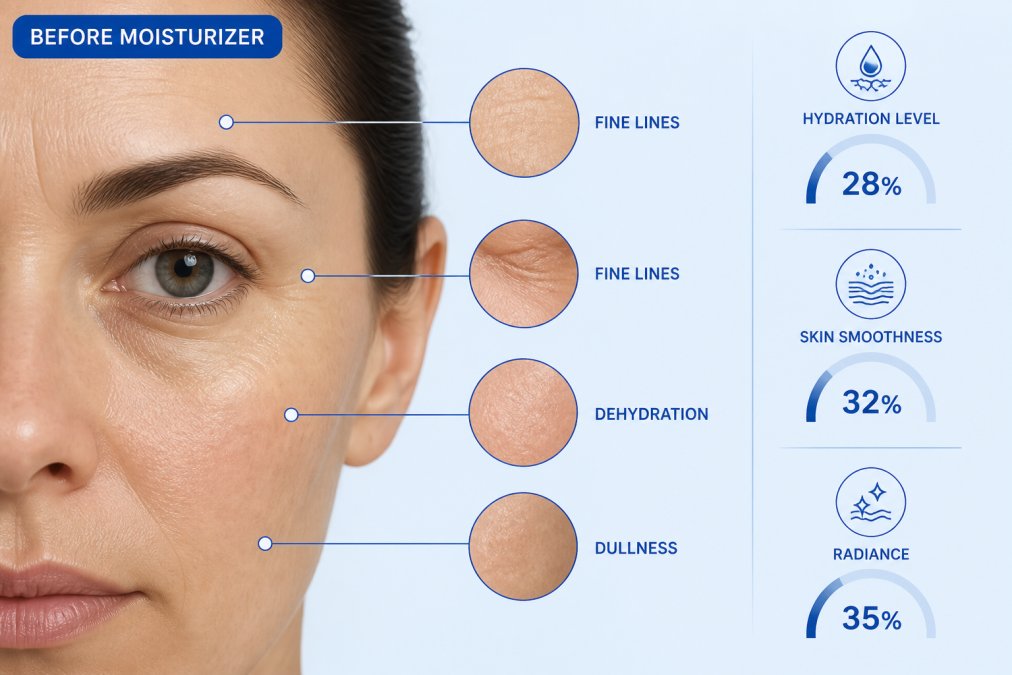
Ceramides are lipid molecules naturally present in your skin. When you lose them through aging, harsh cleansing, or environmental stressors, your stratum corneum becomes compromised, allowing moisture to escape and irritants to penetrate, resulting in visible fine lines, rough texture, and sensitivity.
At Aeran Skincare, we've observed that clients addressing fine lines often skip barrier repair and jump straight to retinoids or peptides. That's backwards. A damaged barrier can't absorb active ingredients effectively, and retinoids will likely irritate already-sensitized skin. Restore the barrier first with ceramides, then layer in stronger actives once your skin can handle them.
Ceramides vs Retinol for Wrinkles: Which Works Better
This comparison gets framed wrong most of the time. People ask "which is better," as if you choose one or the other. The real answer is that they work on different problems at different speeds.
Retinol accelerates cellular turnover and stimulates collagen synthesis. Results are visible in 8-12 weeks, but the path involves irritation, peeling, and photosensitivity for most users. Retinol works best on established wrinkles and sun damage.
Ceramides prevent wrinkles from looking worse by keeping skin plump and hydrated. They don't build collagen or increase cell turnover, but they work immediately and don't irritate. Ceramides are preventative; retinol is transformative.
You don't choose between them. Use ceramides as your foundation to repair and maintain your barrier, then layer retinol on top once your skin is ready. A compromised barrier can't tolerate retinol. A healthy barrier can.
Aeran Skincare's approach combines both strategies. The Ceramide Barrier Night Cream ($36.00) restores barrier function, while the Retinol Alternative Moisturiser ($23.75) delivers retinol-like results without irritation, ideal for users who need collagen support but can't tolerate standard retinol.

| Approach | Speed | Irritation Risk | Best For | Barrier Impact |
|---|---|---|---|---|
| Ceramides | 2-3 weeks | Minimal | Sensitive skin, barrier repair, prevention | Strengthens |
| Retinol | 8-12 weeks | High initially | Established wrinkles, sun damage | Can damage if barrier is weak |
| Combined (ceramides + retinol) | 4-6 weeks | Low | Most users seeking real anti-aging results | Strengthens then targets wrinkles |
How to Use Ceramides in Your Skincare Routine
The placement of ceramides in your routine matters more than the product itself.
The correct order:
-
Cleanse with a gentle, non-stripping cleanser.
-
Apply ceramide-rich products to damp skin. Slightly damp skin absorbs ceramides better than bone-dry skin. Pat your face but leave it slightly moist.
-
Layer lightweight actives next (serums, essences) so they absorb into clean skin.
-
Apply your ceramide moisturizer. Use something lightweight like the Anti-Age Day Cream ($22.75) for daytime. For nighttime, the Ceramide Barrier Night Cream ($36.00) allows heavier formulation.
-
Seal with an occlusive if needed. If your skin is very dry or barrier-compromised, add a facial oil or balm to prevent moisture evaporation.
Common mistakes: Applying ceramides to completely dry skin reduces absorption. Mixing ceramides with acidic actives (AHAs, BHAs, vitamin C) in the same step reduces efficacy. The Peptide Anti-Aging Serum ($35.00) pairs well with ceramides because peptides work on collagen synthesis while ceramides handle barrier function. Apply the serum first, then the ceramide moisturizer.

Signs of a Damaged Skin Barrier and How Ceramides Repair It
A compromised skin barrier shows itself in specific ways. If you see these signs, barrier repair is your priority before adding other actives.
Visible signs of barrier damage: persistent dryness that moisturizer doesn't fix, sensitivity to products that never bothered you before, tight uncomfortable feeling, rough texture and dull complexion, increased reactivity to environmental stressors, and fine lines that appear worse when dehydrated.
Your stratum corneum contains ceramides, cholesterol, and fatty acids in a specific ratio. When this lipid barrier breaks down, moisture escapes and your skin becomes dehydrated. Dehydrated skin looks lined, dull, and feels uncomfortable.
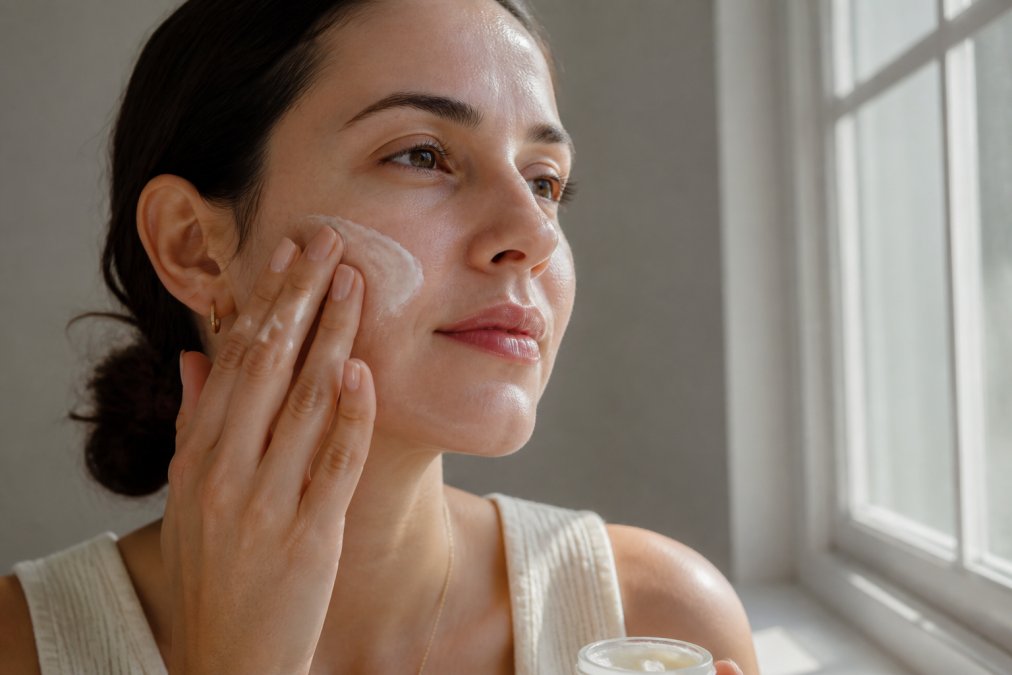
How ceramides repair the barrier: Ceramides fill the gaps in your stratum corneum by locking in moisture. Unlike humectants (which draw water to the skin), ceramides are emollients (they seal water in). Consistent use rebuilds the structure that keeps your skin hydrated.
Aeran Skincare's barrier-first approach prioritizes ceramides and fatty acids over trendy actives. The Ceramide Barrier Night Cream is specifically designed for overnight repair, when your skin naturally regenerates and absorbs nutrients more effectively.
A compromised skin barrier amplifies fine lines, dullness, and sensitivity. Ceramides rebuild the protective structure that keeps your skin looking youthful. If you're struggling with fine lines that don't improve with standard moisturizers, barrier repair is the missing step. Aeran Skincare's ceramide-focused formulations restore your skin's natural defense system so you can achieve visible results without irritation or sensitivity.
Frequently Asked Questions
Can ceramides actually reduce wrinkles and fine lines?
Yes, ceramides help reduce the appearance of fine lines by restoring hydration to the stratum corneum and strengthening the lipid barrier. When your skin barrier is compromised, transepidermal water loss increases, making fine lines more visible. Ceramides work as emollients and moisture-binding agents that plump skin and improve skin elasticity. Results typically appear within 4-6 weeks of consistent use, though individual timelines vary based on skin type and barrier damage severity.
How long does it take for ceramides to improve skin texture and reduce fine lines?
Most people notice improvements in skin texture and hydration within 2-4 weeks. Fine lines and wrinkles become less pronounced as skin plumpness increases, typically visible after 4-8 weeks of daily use. Consistency matters, ceramides work best when applied twice daily. The timeline depends on your baseline barrier health; severely compromised skin may take 8-12 weeks to show significant anti-aging results.
What should you not mix with ceramides in your skincare routine?
Avoid combining ceramides with high-strength acids (glycolic acid, salicylic acid) on the same day, as this can over-strip the skin barrier. Don't layer ceramides with vitamin C serums immediately after application, as the pH difference can reduce efficacy of both products. Space these actives 12+ hours apart. Ceramides pair well with hyaluronic acid, peptides, and gentle retinol alternatives like those in Aeran's Retinol Alternative Moisturiser, which complement barrier repair without irritation.
Do ceramides help with skin elasticity and firmness?
Yes, ceramides improve skin elasticity indirectly by restoring hydration and barrier function. When the lipid barrier is intact, skin retains moisture more effectively, which plumps fine lines and improves overall skin resilience. This hydration-driven plumping effect makes skin appear firmer. For enhanced elasticity and collagen synthesis, pair ceramides with peptides or gentle retinol alternatives that stimulate cellular turnover and support dermis-level firmness.