
Ceramide Cream vs. Balm: Which Repairs Your Barrier
Table of Contents
- Cream Versus Balm: Key Differences
- Ceramide Balm for Dry Skin
- Ceramide Cream for Sensitive Skin
- Frequently Asked Questions
Last Updated: October 10, 2026
Cream Versus Balm: Key Differences
Creams are water-oil emulsions that spread easily, while a ceramide cream balm uses waterless formulations with waxes, oils, and butters to create a semi-solid base, a difference that fundamentally shapes how each performs on skin.

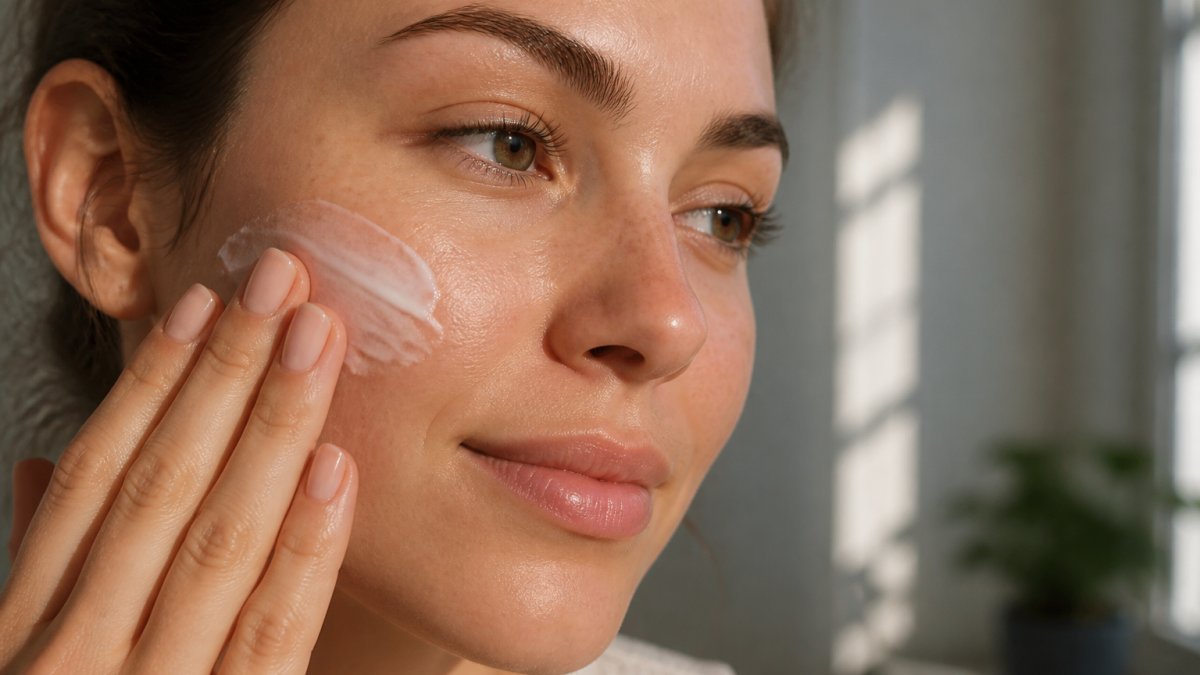
Creams absorb quickly due to water content, while balms sit on the surface longer, creating a stronger occlusive barrier. Choose cream for quick hydration or balm for maximum moisture sealing on severely compromised barriers.
Creams feel lighter for daytime and makeup use, while balms suit nighttime or targeted dry patches, choose based on your skin's needs.
Ceramide Balm for Dry Skin
A ceramide balm excels for serious barrier damage, with waterless formulations that seal moisture and contain high concentrations of occlusives like plant oils, butters, and waxes.

Balms address moisture loss by reducing transepidermal water loss, while ceramides, fatty acids, and cholesterol rebuild the lipid layer for cellular-level barrier repair.
Apply a ceramide balm as your final evening step using a small amount pressed gently into clean skin; many alternate balm at night for repair and cream in the morning for lighter hydration.
Ceramide Cream for Sensitive Skin
A ceramide cream's emulsion structure delivers both water-based hydration and lipid support, spreading evenly without pressure, ideal for sensitive, irritated skin that reacts to heavy formulations.
Ceramide Barrier Night Cream →
A cream-based ceramide formula provides barrier support without the heaviness that triggers irritation in sensitive skin, reducing congestion risk while still supporting the stratum corneum.
Aeran Skincare's approach focuses on clean, fragrance-free formulations that support sensitive skin without unnecessary ingredients that might trigger reactions. Look for creams that list ceramides prominently in the ingredient list, paired with soothing agents like aloe and hydrating humectants like hyaluronic acid.
| Format | Texture | Best For | Absorption Speed | Occlusive Strength |
|---|---|---|---|---|
| Ceramide Cream | Light, spreadable | Sensitive, daily use | Fast | Moderate |
| Ceramide Balm | Rich, semi-solid | Dry, compromised barrier | Slow | High |
The choice between a ceramide cream balm ultimately depends on your skin's current needs. If you're managing sensitivity and need daily hydration, a cream delivers results without heaviness. If your barrier is severely dry or damaged, a balm provides the intensive repair your skin requires. Many people benefit from using both, alternating them based on seasonal changes or how their skin feels on any given day.
Frequently Asked Questions
What is the difference between a ceramide cream and a balm?
Ceramide creams are water-based emulsions that blend water, oils, and ceramides to hydrate and support the skin barrier. They absorb quickly and feel lighter on skin. Ceramide balms are waterless, occlusive formulations with a thicker consistency that seal moisture into the skin and reduce transepidermal water loss. Creams work well for layering and daily use, while balms excel at intense overnight barrier repair on very dry or compromised skin.
Is a ceramide balm better than a cream for very dry skin?
For very dry skin, a ceramide balm's occlusive nature makes it highly effective at sealing in moisture and preventing water loss from the stratum corneum. However, the best choice depends on your skin's needs. Some people benefit from using both: a ceramide cream during the day for lighter hydration and a balm at night for intensive barrier repair. The Ceramide Barrier Night Cream ($42) delivers ceramides and fatty acids to rebuild the lipid layer, while a balm would provide maximum occlusiveness for severely compromised barriers.
Can you use ceramide cream and balm together?
Yes, you can layer ceramide cream and balm together. Apply the lighter cream first to hydrate and deliver ceramides, then seal with a balm on top to lock in moisture and reduce transepidermal water loss. This layering approach is especially effective for very dry or damaged skin barriers. Alternate nightly or use the cream in the morning and balm at night, depending on your skin's sensitivity and climate. This combination supports both hydration and barrier protection.