
Is a Ceramide Moisturizer Worth It for Acne-Prone Skin?
Table of Contents
- Why a Ceramide Moisturizer Helps Acne-Prone Skin
- Signs of a Damaged Skin Barrier That Ceramides Can Address
- Choosing a Non-Comedogenic Ceramide Moisturizer
- Frequently Asked Questions
Last Updated: September 18, 2026
Why a Ceramide Moisturizer Helps Acne-Prone Skin
A ceramide moisturizer is worth it for acne-prone skin because it rebuilds the lipid barrier that acne treatments strip away, and a damaged barrier makes breakouts worse.
Ceramides are lipids in your skin's outer layer that hold skin cells together; when that layer thins, water escapes and irritants get in.
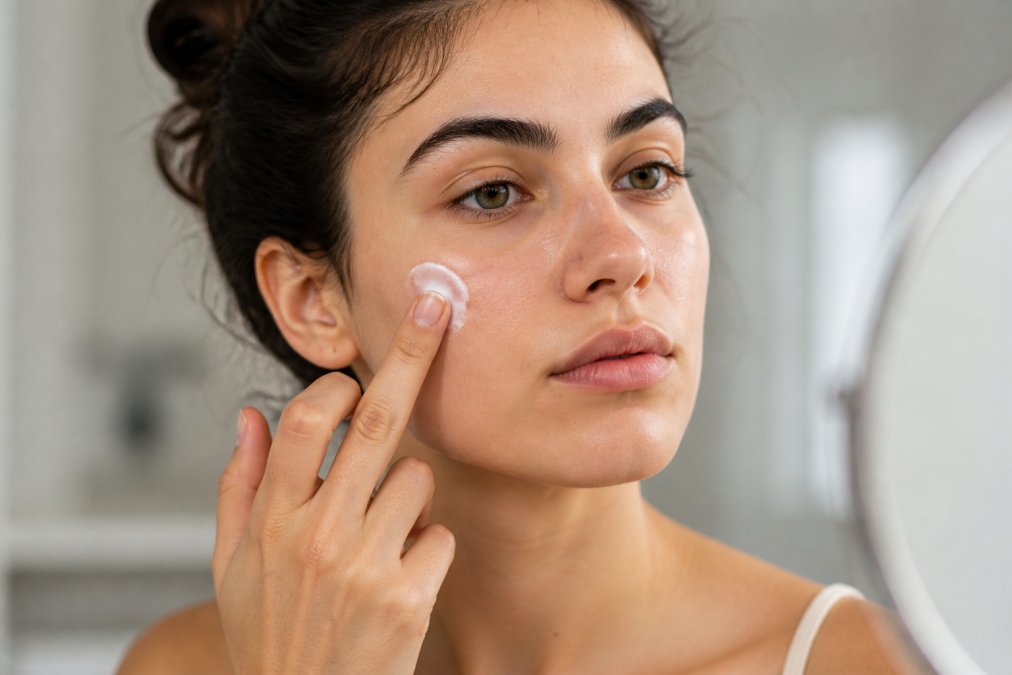
Acne-prone skin tends to run low on ceramides, and adding benzoyl peroxide or a retinoid brings redness, stinging, and peeling.
The real question is whether a ceramide moisturizer can do that without clogging pores, formulation matters more than the ingredient list.
Signs of a Damaged Skin Barrier That Ceramides Can Address
The clearest signs of a damaged skin barrier are stinging from products that used to feel fine, tightness after cleansing, flaking around the mouth and nose, and lingering redness.
American Academy of Dermatology guidance on skin barrier function notes that the outer skin layer controls water loss and blocks irritants, which is exactly the function that ceramides, cholesterol, and fatty acids support.
Telling barrier damage apart from a purge comes down to timing and location: a purge shows up in your usual breakout areas within weeks and settles, while barrier damage shows up anywhere, with stinging and flaking, and worsens the longer you keep going.
Choosing a Non-Comedogenic Ceramide Moisturizer
A non-comedogenic ceramide moisturizer is formulated so its occlusive and emollient ingredients won't sit in pores and trigger congestion. The ceramides aren't the risk; the carrier ingredients are.
How ceramides are delivered changes everything: a rich, butter-heavy cream built for dry skin can be excellent for barrier repair and wrong for someone who breaks out from heavy esters and butters.
Ceramide Barrier Night Cream →
When scanning labels, look for ceramides near the top, non-comedogenic oils like jojoba or sunflower instead of heavy butters, humectants like glycerin or hyaluronic acid, and no added fragrance if your skin is reactive.
Barrier lipids work best in a rough balance of ceramides, cholesterol, and fatty acids, so formulas with supporting fatty acids and cholesterol-adjacent ingredients feel more complete on compromised skin.
For oily and combination skin, texture decides whether you'll stick with it: a lightweight ceramide formula that absorbs without a film beats a heavy cream you dread applying. Aeran Skincare's Ceramide Barrier Night Cream pairs ceramides with jojoba and sunflower oils, shea and cocoa butters, sodium PCA, and hyaluronic acid, for normal to dry, sensitive, or compromised skin.

If your skin runs oily but still gets dry patches, the Renewal Moisturiser is the lighter daily option, using Bidens Pilosa extract as a gentler alternative to retinol plus hyaluronic acid, vitamin C, vitamin E, and sodium PCA, for all skin types including blemish-prone ones.

| Concern | What to Look For | What to Avoid |
|---|---|---|
| Active breakouts | Non-comedogenic oils, niacinamide, salicylic acid | Heavy butters in high concentration |
| Barrier damage | Ceramides plus fatty acids, cholesterol-adjacent lipids | Added fragrance, high alcohol |
| Oily but dehydrated | Lightweight humectants, gel-cream texture | Thick occlusive balms |
| Retinoid irritation | Buffer with moisturizer before active | Layering acids on raw skin |
| Sensitivity | Short ingredient lists, fragrance-free | Essential oils, drying alcohols |
The deciding factor is how your skin feels 20 minutes after application: calm and comfortable means you're on the right track, while stinging or tightness means the formula isn't right yet.
Frequently Asked Questions
Is a ceramide moisturizer good for acne-prone skin?
Yes. Ceramides are lipids your skin already produces to hold the barrier together. Acne treatments like benzoyl peroxide and retinoids strip those lipids, so replacing them supports moisture retention and reduces the irritation that drives more breakouts. The key is choosing a non-comedogenic ceramide moisturizer that lists ceramides near the top of the ingredient list and skips heavy pore-clogging oils. Used consistently, it helps calm inflammation without adding new clogged pores.
Are ceramides pore clogging?
Ceramides themselves are not comedogenic. They are waxy lipids that sit in the epidermal layer and help seal in hydration, not oils that block follicles. Clogged pores usually come from the carrier ingredients in a formula, such as thick butters, coconut oil, or certain silicones. Check the label for non-comedogenic claims and look for lightweight emollients, glycerin, and sodium PCA alongside the ceramides. A well-formulated ceramide cream should feel light, not greasy.
How do I choose a non-comedogenic ceramide moisturizer for oily skin?
Start with texture: gels, lotions, and lightweight creams beat heavy balms for oily skin. Look for ceramides paired with hyaluronic acid, glycerin, or niacinamide, and avoid formulas where the first few ingredients are cocoa butter, shea butter, or coconut oil. Fragrance-free and oil-free options reduce the risk of irritation. Patch test for one to two weeks before committing, and apply to damp skin so a smaller amount spreads further without feeling heavy.