
Ceramides for Aging Skin: Benefits & How to Use
Table of Contents
- How Ceramides Support Aging Skin
- Ceramides for Fine Lines: What the Evidence Shows
- How to Use Ceramides in Your Skincare Routine
- Frequently Asked Questions
Last Updated: October 13, 2026
How Ceramides Support Aging Skin
Ceramides are lipids that form the foundation of your skin's barrier, and ceramides aging skin by keeping moisture in and irritants out. Aging depletes them, causing water loss, dryness, and a weakened barrier. Topical ceramides replenish what time and sun exposure strip away, restoring hydration and resilience.
The stratum corneum, your skin's outermost layer, is composed of skin cells held together by ceramides, cholesterol, and fatty acids. When this lipid matrix weakens, which happens with age, sun damage, and environmental stress, your skin becomes more vulnerable to irritation and dehydration. According to research on skin barrier function from dermatological studies, restoring ceramide levels directly improves barrier health and reduces signs of irritation.
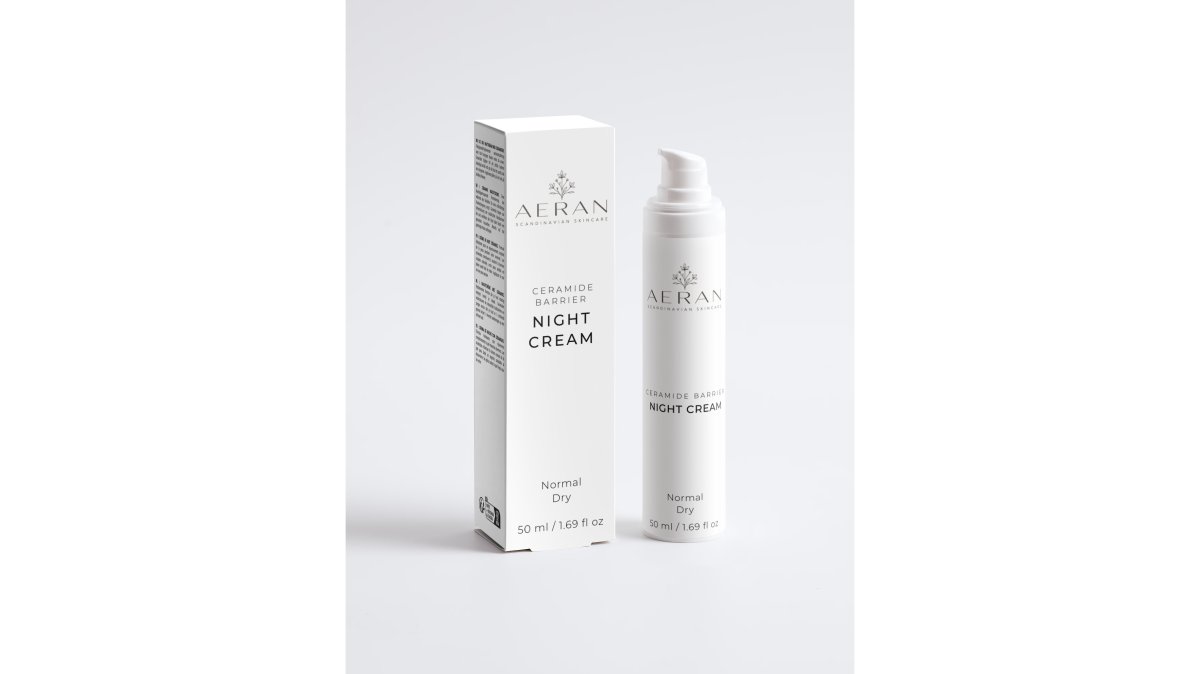
Ceramides aging skin by working with other barrier lipids to lock in moisture and strengthen defenses, addressing the dryness, sensitivity, and dullness of a weakened barrier. The Ceramide Barrier Night Cream delivers ceramides into the lipid layer overnight, when repair is most active.

Ceramides for Fine Lines: What the Evidence Shows
Fine lines appear partly because dehydrated skin loses plumpness. When the barrier is compromised, water escapes from deeper layers, making surface wrinkles more pronounced. Ceramides improve moisture retention, so hydrated skin looks smoother and fine lines appear visibly softened over time.
Barrier health and skin aging are directly linked: a functioning barrier keeps cells plump and the surface smooth. UV damage accelerates ceramide loss, so aged skin shows barrier compromise and visible aging together, and restoring ceramides addresses both.
Be clear about what ceramides do for wrinkles: they improve hydration and texture, making fine lines appear less severe, but they don't erase wrinkles or reverse deep structural aging like retinol or professional treatments. Think of them as foundational barrier repair, creating the hydrated base that lets other anti-aging ingredients work better.
How to Use Ceramides in Your Skincare Routine
Start with a non-stripping cleanser, then apply a ceramide product to clean, slightly damp skin, which absorbs hydrating ingredients better than dry skin. Seal with an occlusive oil if skin is very dry or compromised.
Ceramide Barrier Night Cream →
For aging skin, ceramides work best in a consistent routine, layered with hyaluronic acid for hydration and nourishing botanicals for lipid support. The Ceramide Eye Cream targets the delicate eye area, where fine lines appear first.

Use ceramide products twice daily, especially at night when repair is most active. If you have oily skin with dry patches, apply only to dry areas. Consistent use reveals visible improvements in softness, texture, and fine lines.
Frequently Asked Questions
Can ceramides help reduce the appearance of fine lines?
Ceramides strengthen your skin barrier and improve moisture retention, which can make fine lines appear less pronounced. When your skin is properly hydrated and the barrier is functioning well, the skin surface looks plumper and smoother. While ceramides won't eliminate wrinkles the way retinol does, they create the hydrated foundation that makes existing lines less visible and prevents further moisture loss that deepens them.
Is it okay to use ceramides every day?
Yes, ceramides are safe to use daily. Unlike active ingredients such as retinol or acids, ceramides are naturally present in your skin and are well-tolerated by all skin types, including sensitive and compromised skin. Daily use actually supports barrier health and moisture retention over time. Most people benefit from applying ceramide products both morning and evening as part of their regular routine.
Which is better for aging skin, hyaluronic acid or ceramides?
They work best together, not as competitors. Hyaluronic acid draws moisture into your skin, while ceramides lock that moisture in place by repairing the lipid barrier. For aging skin, using both creates a complete hydration strategy: hyaluronic acid delivers water, ceramides seal it. This combination addresses dryness, fine lines, and loss of elasticity more effectively than either ingredient alone.
The barrier-first approach that Aeran Skincare emphasizes recognizes that aging skin needs foundation repair before targeting surface concerns. Our Scandinavian-formulated ceramide products deliver clean, effective barrier support designed specifically for mature, sensitive, and compromised skin. Start with consistent barrier care and watch your skin's resilience and appearance improve.