
Causes of Facial Redness: A Complete Guide
Table of Contents
Last Updated: October 16, 2026
What Causes Facial Redness
Facial redness causes can stem from many sources, and understanding what triggers yours is the first step toward managing it.
Erythema, the medical term for facial redness, can be temporary or chronic. Temporary redness from blushing, exercise, or heat fades within minutes to hours. Persistent redness that lingers for days or returns frequently signals something deeper: a skin condition, barrier damage, or an ongoing trigger.
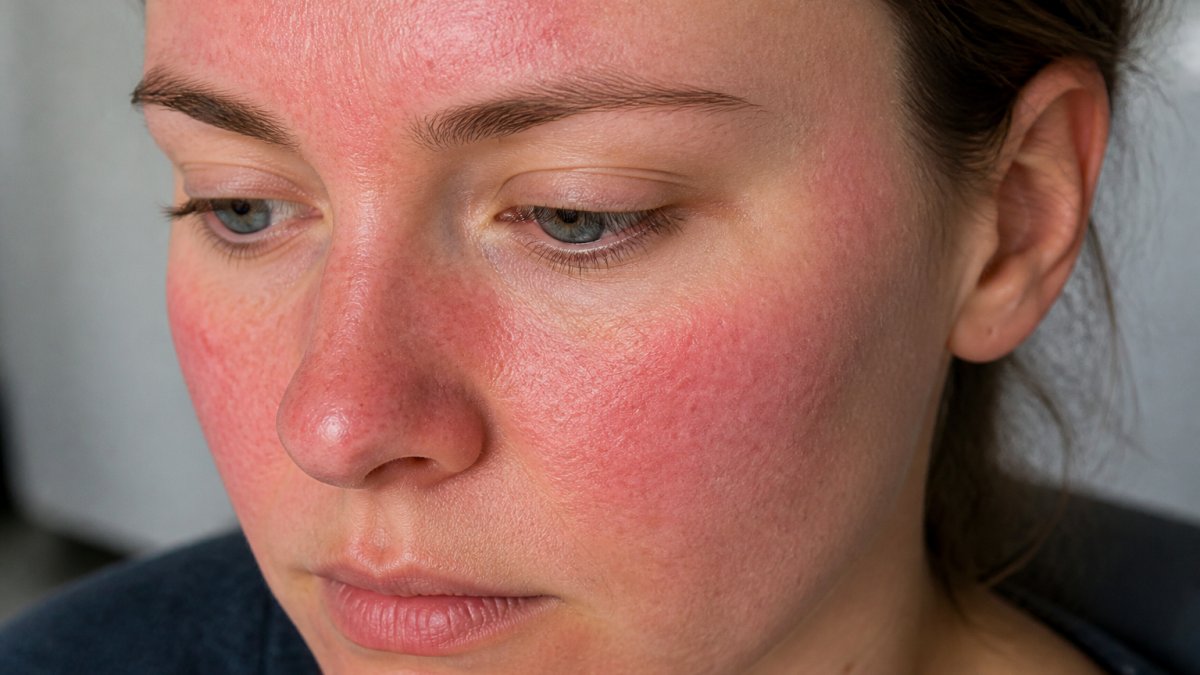
The most common culprit is rosacea, a chronic inflammatory condition causing visible blood vessels and facial flushing. But allergic reactions, contact dermatitis, eczema, acne, sunburn, and compromised skin barriers can produce the same redness. Environmental triggers (sunlight, heat, cold, wind) inflame sensitive skin, while alcohol, spicy foods, hot beverages, and intense exercise are among the facial redness causes that dilate blood vessels and trigger flushing.
The distinction matters. Flushing during a workout that normalizes within an hour is acute. Redness lingering across cheeks, nose, forehead, and chin for weeks, or accompanied by bumps, swelling, or acne-like pimples, likely signals a chronic condition requiring targeted care.
| Trigger Type | Examples | Duration |
|---|---|---|
| Environmental | Sunlight, heat, cold, wind | Minutes to hours |
| Behavioral | Exercise, alcohol, spicy foods | Minutes to hours |
| Inflammatory | Rosacea, eczema, dermatitis | Days to weeks |
| Allergic | Contact allergens, food reactions | Hours to days |
How to Calm Facial Redness
Calming redness requires a two-part approach: eliminating triggers and supporting your skin barrier with the right products.
Track your flare-ups: when redness appears, what you did beforehand, what you ate, and the weather. This reveals your personal triggers, which are rarely universal. One person's rosacea flares from wine; another's from heat. Find yours and avoid them when possible.
For inflammatory redness, barrier support is essential: a compromised barrier lets irritants deeper in, perpetuating inflammation. Hyaluronic acid and ceramides help restore it. The Calm Night Cream from Aeran Skincare uses aloe vera juice to reduce redness and soothe irritation while hyaluronic acid hydrates without heaviness, ideal for reactive, redness-prone skin.

Between triggers, use a lightweight hydrating mist: The Barrier Mist offers prebiotic-powered hydration that refreshes skin and restores natural balance, perfect for midday redness relief. Cleanse gently with products free of harsh actives that strip your barrier further.
If redness persists beyond two weeks despite avoiding triggers and using barrier-supportive products, consult a dermatologist. Persistent redness may indicate rosacea or another condition requiring professional evaluation and prescription treatment.
Frequently Asked Questions
What's the difference between rosacea and temporary facial redness?
Temporary facial redness often appears suddenly in response to heat, exercise, stress, or embarrassment and fades within minutes to hours. Rosacea is a chronic skin condition characterized by persistent redness, visible blood vessels, and sometimes acne-like bumps that last weeks or longer. Rosacea typically affects the cheeks, nose, forehead, and chin, while temporary flushing may appear anywhere on the face. If redness persists beyond a few hours or returns frequently, consult a dermatologist for proper diagnosis.
Can skincare products cause facial redness?
Yes. Products containing harsh surfactants, high concentrations of active ingredients, fragrance, or alcohol can trigger inflammatory reactions and skin irritation, especially for those with sensitive or compromised skin barriers. Even products labeled 'hypoallergenic' may cause redness in reactive skin. Barrier-first formulations with gentle, clean ingredients like aloe vera, ceramides, and calming botanicals such as calendula and chamomile are less likely to provoke irritation. Always patch-test new products and introduce actives gradually.
When should I see a dermatologist about facial redness?
Seek professional evaluation if redness persists for more than a few weeks, is accompanied by pain or burning, includes visible pustules or bumps, affects your eyes (watery eyes or irritation), or significantly impacts your quality of life. Red-flag symptoms include redness spreading to the neck or chest, severe swelling, or signs of infection. A dermatologist can diagnose the underlying cause, whether rosacea, dermatitis, allergy, or another condition, and recommend evidence-based treatment tailored to your skin type.
Managing facial redness means addressing both the trigger and the barrier. If your skin is reactive and easily inflamed, a barrier-first approach with clean, ceramide-rich formulations delivers visible results. Aeran Skincare's fragrance-free, Scandinavian-formulated products are designed specifically for sensitive and redness-prone skin. Start with the Calm Night Cream and Barrier Mist, and track your triggers consistently, consistency reveals what works for your unique skin.