
How to Choose Non-Comedogenic Moisturizer
Table of Contents
- What Non-Comedogenic Means and Why It Matters
- Non-Comedogenic Moisturizer for Acne-Prone Skin: Key Criteria
- How to Read Moisturizer Ingredient Labels
- How to Patch Test a New Moisturizer
- Frequently Asked Questions
Last Updated: October 15, 2026
What Non-Comedogenic Means and Why It Matters
Non-comedogenic means a product won't clog your pores, it avoids blocking the openings where oil and dead skin cells escape.
It matters most for acne-prone skin: comedogenic products trap bacteria and sebum inside pores, triggering blackheads and breakouts, while non-comedogenic formulas are tested not to. Since not every moisturizer is tested, reading labels and understanding ingredients is your real defense.
Non-Comedogenic Moisturizer for Acne-Prone Skin: Key Criteria
A non-comedogenic moisturizer for acne-prone skin needs three things: lightweight texture, oil-free or low-oil base, and ingredients that hydrate without feeding bacteria. Look for a fast-absorbing gel or lightweight cream with hyaluronic acid, glycerin or peptides, no fragrance, and ceramides to support the barrier without clogging.
If you're using acne treatments like salicylic acid or benzoyl peroxide, your moisturizer must work alongside them. At Aeran Skincare, we formulate non-comedogenic moisturizers with ceramides and hydrating ingredients that support compromised skin without interfering with active treatments.
Avoid heavy creams, coconut oil, and products listing mineral oil or petrolatum high on the ingredient list. These trap heat and bacteria inside pores.
How to Read Moisturizer Ingredient Labels
The ingredient list tells you what's actually in the jar, listed by concentration, highest first. Check the first 5 ingredients, if heavy oils or comedogenic waxes appear early, skip it. Avoid coconut oil, cocoa butter, lanolin, mineral oil (in heavy concentrations), petrolatum, and isopropyl myristate; look instead for hyaluronic acid, glycerin, niacinamide, ceramides, peptides, aloe vera, and jojoba oil. Read the full list, not the marketing copy, a product claiming "natural" or "gentle" might still contain comedogenic oils.
How to Patch Test a New Moisturizer
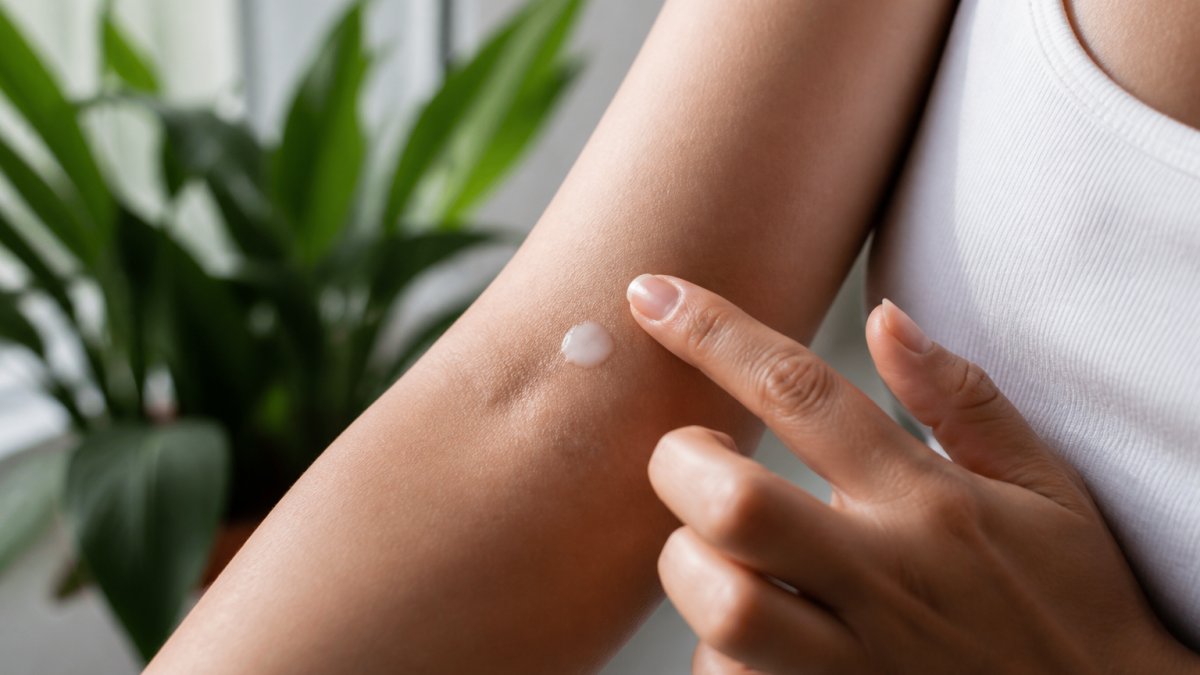
Patch testing takes 24-48 hours and tells you whether a new moisturizer will trigger breakouts or irritation. Cleanse a small hidden spot (jawline, behind the ear, or inner elbow), apply a dime-sized amount, and wait 24-48 hours without washing it off or applying other products. Check for redness, itching, bumps or irritation; if clear, test a small area of your face for 3-5 days before full use. If you see irritation, stop, your skin has given you the answer before a full breakout. Non-comedogenic claims don't account for individual sensitivities, so testing removes the guesswork.
Choosing a non-comedogenic moisturizer comes down to reading labels, knowing your skin type, and testing before committing. Start with a lightweight, ceramide-rich moisturizer, patch test it, and watch how your skin responds. At Aeran Skincare, our Renewal Moisturiser and Calm Night Cream are formulated as non-comedogenic options with clean ingredients and ceramides to support compromised skin without clogging pores.


Frequently Asked Questions
What does non-comedogenic mean in skin care?
Non-comedogenic means a product is formulated to avoid clogging pores or causing blackheads and breakouts. These moisturizers are tested and designed to work with acne-prone and sensitive skin without triggering new blemishes. However, the non-comedogenic label is voluntary and not regulated by the FDA, so it's important to also check the ingredient list and patch test before committing to regular use.
Can a non-comedogenic moisturizer still cause breakouts?
Yes. While non-comedogenic products are formulated to minimize pore-clogging, individual skin reacts differently to ingredients. Someone sensitive to certain botanicals, oils, or preservatives may still experience breakouts even with a non-comedogenic label. This is why patch testing on a small area of skin for 3-5 days before full application is essential. If irritation or new breakouts appear, discontinue use.
Which ingredients should you look for in a non-comedogenic moisturizer?
Look for lightweight, hydrating ingredients like hyaluronic acid, glycerin, and ceramides, which support the skin barrier without heaviness. Avoid heavy oils and silicones if your skin is prone to congestion. For acne-prone skin, ingredients like aloe vera and marine algae can soothe irritation. Fragrance-free formulas are gentler for reactive skin. Check the full ingredient list to identify any known triggers specific to your skin.