
How to Layer Skincare for Barrier Health: A Step-by-Step Guide
Table of Contents
- Understanding Your Skin Barrier and Why Layering Matters
- Signs of a Damaged Skin Barrier and When to Adjust Your Routine
- The Correct Order: How to Layer Skincare for Barrier Health
- Best Ingredients for Skin Barrier Repair and Protection
- Common Mistakes That Damage Your Barrier During Layering
- How Long to Repair Skin Barrier: Timeline and Realistic Expectations
- pH Balance, Lifestyle Factors, and Product Interactions
- Your Barrier-First Skincare Routine: Morning and Night
Last Updated: August 4, 2026
Understanding Your Skin Barrier and Why Layering Matters
Your skin barrier is your body's first line of defense against environmental stressors, bacteria, and moisture loss. The acid mantle, a naturally occurring protective film on your skin's surface, maintains an optimal pH of around 4.5 to 5.5, preventing harmful microorganisms while allowing beneficial bacteria to thrive.
When you layer products correctly, you're building a strategic system that allows each ingredient to penetrate effectively while supporting your skin's natural repair mechanisms. The barrier consists of three critical components: ceramides and lipids that form the structural foundation, the acid mantle that maintains pH balance, and the skin microbiome that influences inflammation and sensitivity.
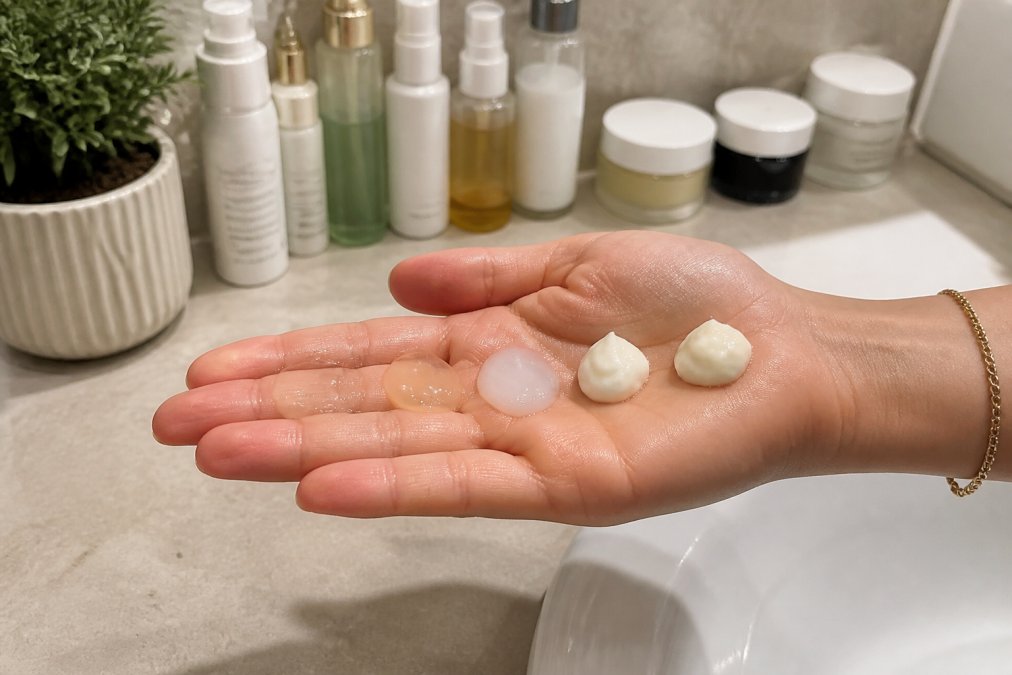
Understanding the thinnest to thickest rule transforms your routine. Lightweight serums absorb first, allowing heavier moisturizers to seal everything in without blocking earlier products.
Signs of a Damaged Skin Barrier and When to Adjust Your Routine
A compromised skin barrier announces itself through persistent redness, increased sensitivity where products now cause stinging or burning, and dehydration despite using moisturizers. Texture changes like rough, sandpaper-like skin or flaking that doesn't respond to hydration indicate your lipid barrier has been damaged.
When these signs appear, pause aggressive treatments immediately. Strip your routine down to a gentle cleanser, hydrating essence, and barrier-repair moisturizer. Recovery typically requires 4-8 weeks of consistent, gentle care.
The Correct Order: How to Layer Skincare for Barrier Health
The sequence follows a simple principle: lightest to heaviest, water-based to oil-based. Heavier products create a seal that prevents lighter ones from penetrating.
Step 1: Start with a Gentle Cleanser
Begin with a pH-balanced cleanser that removes impurities without stripping your acid mantle. Foaming cleansers often contain sulfates that disrupt the skin barrier. Cream or micellar cleansers are gentler alternatives.
Cleanse for no more than 60 seconds. Excessive rubbing or hot water increases transepidermal water loss and damages ceramides. Pat your skin dry gently rather than rubbing.
Step 2: Apply Hydrating Toners and Essences
After cleansing, while your skin is still slightly damp, apply a hydrating toner or essence. These water-based products deliver humectants like hyaluronic acid and prebiotics that draw moisture into the skin.
The Aeran Skincare Microbiome Prebiotics Face Mist ($22.00) supports your skin's natural bacterial ecosystem while hydrating. Apply with gentle patting motions.

Step 3: Layer Serums from Thinnest to Thickest
Serums are concentrated actives that target specific concerns. Start with lightweight serums and progress to richer ones. A water-based vitamin serum goes before an oil-based squalane serum.
The Bioactive Prebiotics Jelly Serum ($58.00) nourishes your skin's microbiome while delivering hydration. Apply 2-3 drops to your fingertips and press gently across your face. Allow 30-60 seconds between serum applications to ensure proper penetration.

Step 4: Add Moisturizers and Occlusives
Moisturizers come in multiple forms: lightweight lotions, richer creams, and occlusive balms. The Ceramide Barrier Night Cream ($36.00) delivers ceramides and fatty acids that directly repair barrier function.

Apply moisturizer to damp skin for maximum hydration penetration. Use an upward pressing motion to encourage lymphatic drainage. For extra barrier support, seal everything with a thin layer of facial oil or balm to prevent moisture from escaping overnight.
Step 5: Finish with Sunscreen (Morning Only)
Sunscreen is non-negotiable for barrier health. UV damage accelerates barrier degradation and increases inflammation. Apply broad-spectrum SPF 30 or higher as your final morning step, at least 15 minutes after your last moisturizer.
Use a quarter-teaspoon for your face. Many people apply too little sunscreen, reducing its protective efficacy.
Best Ingredients for Skin Barrier Repair and Protection
Barrier repair requires specific ingredients that address the three structural components of your protective layer.
Ceramides and Lipids: The Foundation
Ceramides are lipid molecules naturally present in your skin barrier, comprising approximately 50% of the barrier's lipid composition. When your barrier is compromised, ceramide levels drop, increasing moisture loss and sensitivity.
Topical ceramides, particularly ceramide NP, AP, and EOP, penetrate the outer layer and integrate into your barrier structure. Look for products listing ceramides in the first five ingredients with at least 3% concentration for meaningful barrier repair.
Humectants: Hyaluronic Acid and Prebiotics
Humectants pull water into the outer skin layers, increasing hydration and plumpness. Hyaluronic acid can hold up to 1000 times its weight in water, making it exceptionally effective for dehydrated, barrier-compromised skin.
Prebiotics like inulin and fructooligosaccharides feed beneficial skin bacteria, supporting your microbiome's ability to regulate inflammation and maintain barrier integrity. The Bioactive Prebiotics Jelly Serum combines both approaches. Apply humectants to damp skin and seal with an occlusive, without it, humectants can draw water from deeper skin layers, worsening dehydration.
Emollients and Soothing Actives
Emollients like squalane, jojoba oil, and plant butters soften and smooth skin while supporting barrier function. Soothing actives like aloe vera, centella asiatica, and niacinamide reduce inflammation and support barrier repair. Niacinamide specifically strengthens the barrier by promoting ceramide and cholesterol synthesis.
Common Mistakes That Damage Your Barrier During Layering
Most barrier damage stems from how people use products, not what they use.
Over-Exfoliation and Active Ingredient Overload
The most common mistake is using exfoliating acids (AHA, BHA) or physical exfoliants more than twice weekly. Daily exfoliation strips away the acid mantle and damages the barrier's lipid layer.
Retinoids and vitamin C are powerful actives that increase cell turnover and barrier stress. Using both simultaneously overwhelms your barrier's repair capacity. Start with one active, introduce it slowly (2-3 times weekly initially), and wait at least 6 months before adding a second active.
Skipping Patch Testing and Ignoring Product Interactions
New products should always be patch-tested on a small area for 48 hours before full-face application. This reveals allergies or sensitivities before they damage your barrier.
Product interactions matter significantly. Niacinamide combined with certain acids can cause flushing. Vitamin C destabilizes quickly when combined with water-based products containing iron or copper. Give new products at least 4-6 weeks before evaluating effectiveness.
Ignoring pH Balance and Consistency in Your Routine
Your barrier functions optimally at a pH of 4.5-5.5. Using alkaline cleansers (pH 7+) disrupts the acid mantle, increasing sensitivity and inflammation. Check your cleanser's pH; many popular options sit at 6.5-8, which is too alkaline.
Inconsistency in your routine prevents your barrier from stabilizing. Commit to a routine for at least 8 weeks before changing anything. Use lukewarm water for cleansing and apply products to slightly damp skin.
How Long to Repair Skin Barrier: Timeline and Realistic Expectations
Barrier repair isn't instant, but with consistent care, you'll see measurable improvements within weeks.
Week 1-2: Initial Calming and Hydration
The first two weeks focus on stopping further damage and providing intensive hydration. Your skin may feel slightly worse initially as inflammation rises to the surface, this is normal.
Prioritize hydration and gentle cleansing. Skip all actives, including exfoliants and retinoids. Use the Ceramide Barrier Night Cream nightly. Many people notice reduced stinging and burning by day 10-14.
Week 3-4: Visible Reduction in Redness and Sensitivity
By week three, inflammation typically decreases noticeably. Redness fades as your barrier strengthens and your skin's inflammatory response normalizes. Rough patches smooth out as hydration penetrates deeper layers.
Continue your gentle routine with the same products.
Week 5-8: Full Barrier Recovery and Improved Texture
By week five, most people have achieved substantial barrier recovery. Redness resolves, sensitivity normalizes, and skin texture improves dramatically. Fine lines appear less pronounced due to improved hydration.
At week eight, you can cautiously reintroduce gentle actives if desired. Start with one active, used just 2-3 times weekly. If your barrier was severely compromised, extend this timeline to 12 weeks.
pH Balance, Lifestyle Factors, and Product Interactions
Barrier health extends beyond skincare products. Your lifestyle, diet, and internal health significantly influence barrier recovery and resilience.
Why pH Matters for Barrier Function
Your skin's acid mantle maintains a pH of 4.5-5.5, creating an acidic environment that kills pathogenic bacteria while supporting beneficial microbes. Alkaline products neutralize this protective acidity, allowing harmful bacteria to proliferate and increasing inflammation.
Check your cleanser's pH if possible. Dermatologists recommend pH-balanced or slightly acidic cleansers (pH 4.5-6.5). After cleansing with alkaline products, your skin requires 30-60 minutes to restore proper pH.
Lifestyle Factors That Affect Barrier Repair
Sleep deprivation impairs barrier function. During sleep, your skin's repair mechanisms activate and ceramide synthesis increases. Chronic sleep loss (under 6 hours nightly) slows barrier recovery by 30-50%.
Stress elevates cortisol, which increases inflammation and impairs barrier repair. Meditation, exercise, or other stress-reduction practices directly support barrier health. Dehydration accelerates moisture loss, drink at least 8-10 glasses of water daily. Diet matters too; omega-3 fatty acids support lipid production and barrier integrity.
Environmental humidity affects barrier function. Low humidity (below 30%) increases moisture loss, while high humidity (above 70%) can trap bacteria. Using a humidifier in dry climates significantly accelerates barrier recovery.
Ingredient Warnings: What Not to Combine
Never combine benzoyl peroxide with retinoids. Both increase cell turnover and barrier stress; together, they cause severe irritation. If you use both, apply them on alternate nights only.
Niacinamide combined with certain acids can cause flushing. Vitamin C destabilizes in the presence of water, alkaline pH, or metal ions. Store vitamin C serums in dark, cool places and avoid combining them with water-based products containing iron or copper.
Salicylic acid (BHA) combined with other exfoliants accelerates barrier damage. Use BHA alone, 2-3 times weekly maximum, and always follow with intensive hydration and occlusion.
Your Barrier-First Skincare Routine: Morning and Night
A barrier-first routine prioritizes protection and hydration over aggressive treatment.
Morning Routine for Protection
Start with a gentle cleanser suited to your skin type. If you have oily skin, a lightweight cream cleanser works better than foaming options. If you have dry skin, a micellar cleanser removes overnight buildup without stripping.
Apply a hydrating toner or essence while your skin is still slightly damp. The Microbiome Prebiotics Face Mist supports your microbiome while hydrating.
Add a lightweight serum with hyaluronic acid or soothing actives like niacinamide. Skip vitamin C or retinoids in the morning during barrier recovery.
Apply a lightweight moisturizer appropriate to your skin type. Oily skin benefits from gel-cream formulations; dry skin needs richer creams.
Finish with broad-spectrum sunscreen SPF 30+. Apply sunscreen as your final step, 15 minutes after your last moisturizer.
Night Routine for Repair
Evening is when your barrier does its most intensive repair work.
Cleanse gently with your chosen cleanser. If you've worn makeup or sunscreen, double-cleanse: start with an oil cleanser, then follow with your regular cleanser.
Apply your hydrating toner or essence to damp skin.
If you're introducing an active (after your barrier has recovered), apply it now, but only 2-3 times weekly initially. During active barrier repair, skip this step entirely.
Apply your barrier-repair serum. The Bioactive Prebiotics Jelly Serum supports your microbiome while delivering hydration.
Apply your night cream. The Ceramide Barrier Night Cream delivers ceramides and lipids specifically designed for overnight repair. Use a generous amount.
Seal with a facial oil or occlusive balm if your skin is very dry or compromised to prevent moisture loss overnight.
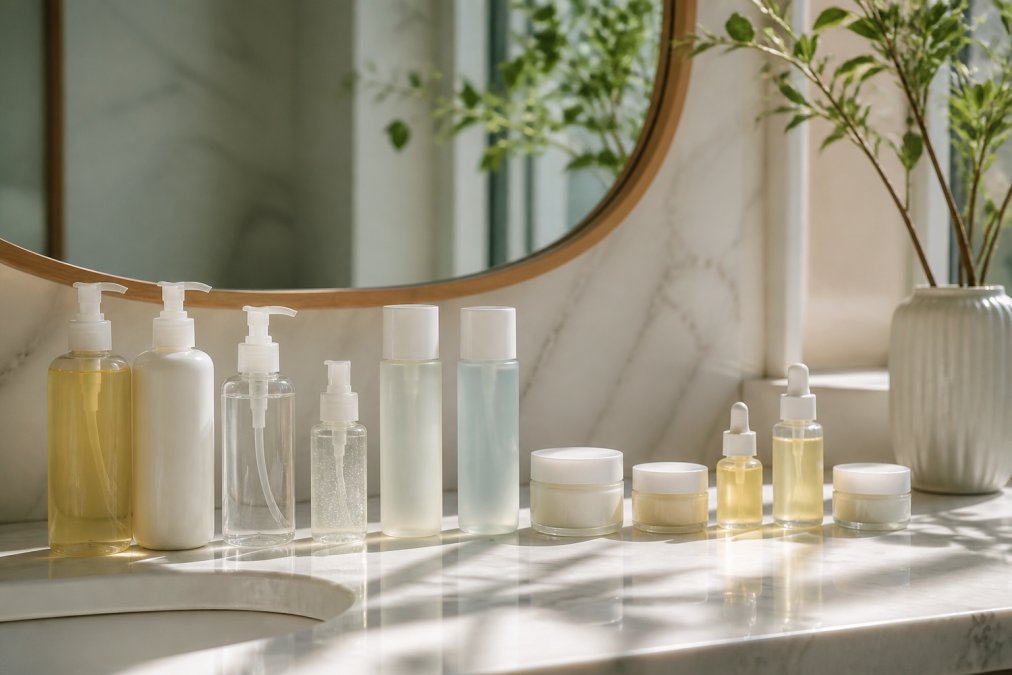
| Step | Morning | Night | Purpose |
|---|---|---|---|
| 1 | Gentle cleanser | Gentle cleanser (double cleanse if needed) | Remove impurities without stripping |
| 2 | Hydrating toner/essence | Hydrating toner/essence | Deliver humectants while skin is damp |
| 3 | Lightweight serum | Barrier repair serum (or active, 2-3x weekly) | Target specific concerns; support barrier |
| 4 | Lightweight moisturizer | Ceramide barrier cream | Hydrate and protect (night: intensive repair) |
| 5 | Sunscreen SPF 30+ | Facial oil/occlusive (optional) | Protect from UV damage; seal in moisture |
Barrier health is the foundation of every skincare goal. Whether you're addressing sensitivity, dryness, aging, or acne, a strong barrier makes every treatment more effective and every product more tolerable. Aeran Skincare's barrier-first formulations, including the Ceramide Barrier Night Cream and Bioactive Prebiotics Jelly Serum, deliver the ceramides, lipids, and microbiome support your skin needs to recover and thrive. Start with a simplified routine, commit to 8 weeks of consistent care, and watch your skin transform from reactive and uncomfortable to resilient and radiant.
Frequently Asked Questions
What is the correct order for layering skincare products to protect my barrier?
Apply products from thinnest to thickest consistency: cleanser, toner, serums, moisturizer, then sunscreen (AM only). This order ensures each layer absorbs properly and allows active ingredients to penetrate effectively. Hydrating serums with hyaluronic acid go before heavier creams. Ceramide-rich moisturizers seal in hydration last. Consistency matters more than product count, quality over quantity protects your barrier better.
How long does it take to repair a damaged skin barrier with proper layering?
Most people see initial improvement in redness and sensitivity within 2-3 weeks of consistent barrier-focused layering. Full repair typically takes 4-8 weeks, depending on damage severity. The skin's outer layer regenerates every 2-4 weeks naturally. During this time, stick to gentle cleansing, ceramide-rich moisturizers, and avoid active ingredients like retinoids or acids. Patience is critical, rushing with too many actives resets the timeline.
What are the best ingredients for skin barrier repair when layering products?
Ceramides, cholesterol, and fatty acids form the lipid barrier's foundation. Hyaluronic acid and prebiotics provide deep hydration and support your skin microbiome. Aloe and soothing botanicals reduce inflammation. Avoid mixing vitamin C with niacinamide in the same layer, and don't layer retinoids with acids. Look for fragrance-free formulas, fragrance disrupts barrier function. Ceramide-focused night creams like barrier repair formulas work best when applied as your final step.
How do I know if my skin barrier is damaged, and should I change my layering routine?
Signs include persistent redness, stinging or burning sensations, increased sensitivity to products, rough texture, and transepidermal water loss (visible dryness despite moisturizing). If you notice these, simplify immediately: use only a gentle cleanser, hydrating serum, and ceramide moisturizer for 2-4 weeks. Skip all active ingredients, exfoliants, and fragrance. Once redness subsides, gradually reintroduce products one at a time, waiting a week between additions to monitor tolerance.
This article was written using GrandRanker