


How to Prevent Skin Irritation From Masks
Table of Contents
- Build a Daily Routine That Prevents Skin Irritation From Masks
- Best Skincare for Redness and Irritation While Wearing Masks
- How to Repair Skin Barrier From Mask Irritation
- Frequently Asked Questions
Last Updated: September 12, 2026
Build a Daily Routine That Prevents Skin Irritation From Masks
Skin irritation from masks is contact dermatitis: friction, trapped moisture, and heat break down the skin barrier, causing redness, itching, and breakouts, so the goal is to prevent skin irritation before it starts (PubMed). Learning how to prevent skin irritation from masks starts with a consistent daily routine, not a single product. At Aeran Skincare, we build barrier-first routines around three steps: gentle cleansing, targeted hydration, and protection before and after wear.
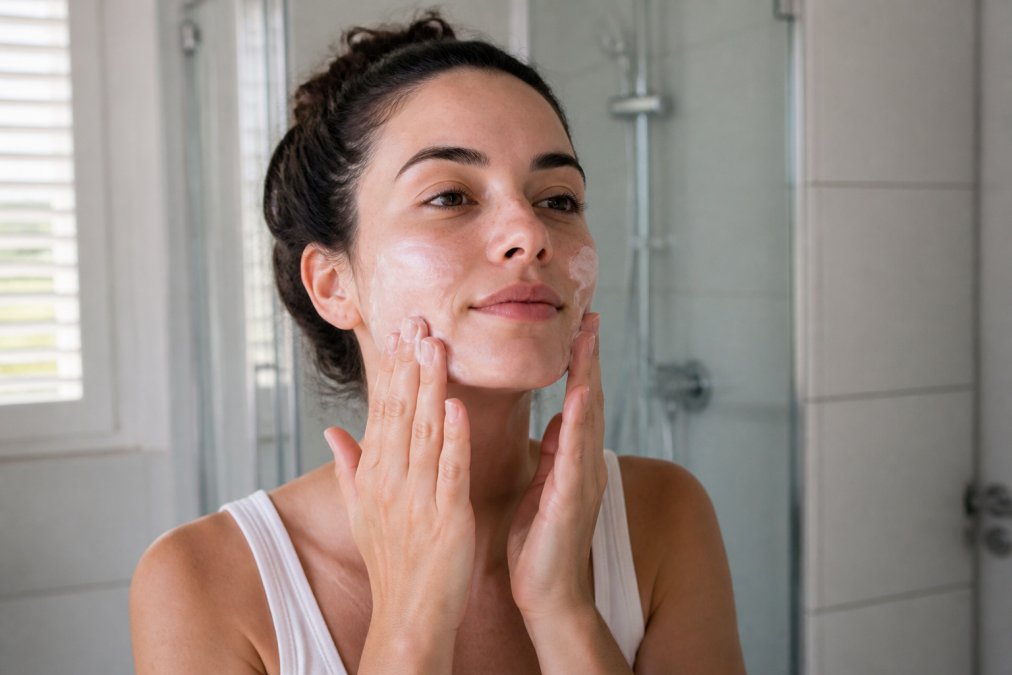
- Cleanse with a fragrance-free, non-comedogenic cleanser morning and night.
- Apply a lightweight moisturizer before putting on your mask.
- Skip makeup under the mask to reduce pore clogging and friction.
- After removing the mask, rinse with lukewarm water and reapply moisturizer.
- Wash cloth masks daily in fragrance-free detergent.
A common mistake is over-cleansing. Stripping sebum makes irritation worse, not better. For reactive skin, a prebiotic mist such as our Barrier Mist calms redness between steps without adding weight.

| Mask Type | Best For | Watch Out For |
|---|---|---|
| Cloth | Daily wear, sensitive skin | Buildup if not washed daily |
| Surgical | Short clinical use | Earloop pressure, friction |
| N95/KN95 | Respiratory protection | Tight seal, prolonged occlusion |
Best Skincare for Redness and Irritation While Wearing Masks
The best skincare for redness and irritation while wearing masks uses fragrance-free, hypoallergenic formulas with ceramides and prebiotics to rebuild the barrier. Look for emollients that restore lipids, not just water-based hydration. Petroleum jelly or a barrier film along the mask edges reduces friction where earloops and seams press (PubMed).
Patch testing a new product on your jawline for two days before full use catches most reactions early (the American Academy of Dermatology). A common mistake is layering actives, like retinol or exfoliating acids, under a mask. Heat and occlusion amplify penetration, and that combination often triggers erythema. Pause strong actives until the irritation settles.
Our Calm Night Cream is fragrance-free and formulated for reactive, redness-prone skin, while the Barrier Biome Serum feeds the skin microbiome that keeps the barrier balanced.


How to Repair Skin Barrier From Mask Irritation
Repairing the skin barrier from mask irritation takes about one to two weeks of consistent barrier care, depending on how compromised the skin is. The post-mask recovery timeline moves through three phases:
- Days 1-3: Stop actives, cleanse gently, and moisturize frequently. Expect redness to peak.
- Days 4-7: Add a ceramide-rich night cream. Itchiness and flaking should ease.
- Days 8-14: Reintroduce one active at a time if the skin feels calm.
Ceramides and fatty acids replace what compromised skin loses daily. Our Ceramide Barrier Night Cream delivers both into the lipid layer overnight. If irritation persists past two weeks, see a dermatologist; persistent dermatoses need a topical treatment a routine alone cannot provide.
Frequently Asked Questions
Why do face masks make my face itchy and red?
Friction from the mask edge, trapped heat and moisture, and contact with dyes or elastic can all trigger irritant contact dermatitis. The itch usually starts where the mask presses hardest: nose bridge, cheeks, and behind the ears. Switching to a soft cloth mask, cleansing gently after removal, and applying a fragrance-free moisturizer or barrier cream before and after wear reduces the reaction within a few days for most people.
Can the material of a mask cause skin irritation?
Yes. Synthetic fabrics, harsh dyes, and rough seams create friction that damages the skin barrier. Cloth masks made from soft cotton or silk are gentler than stiff synthetics. If you wear a surgical mask for work, look for one labeled hypoallergenic and non-comedogenic, and rotate between styles to find the fit that rubs least. Patch testing a new mask material on your inner arm for 24 hours helps you spot sensitivity before it hits your face.
How do I treat mask-induced contact dermatitis?
Stop wearing the offending mask, cleanse with a mild, fragrance-free cleanser, and apply a thick emollient or petroleum jelly to the irritated area. A barrier film or cream under the mask edge can protect skin during future wear. If redness, swelling, or burning persists beyond a few days, see a dermatologist. They may recommend a short course of topical treatment. Avoid exfoliating or using active ingredients like retinol on the irritated area until the skin barrier recovers.
Mask irritation is frustrating, but it rarely requires guesswork once your routine supports the barrier instead of fighting it. Aeran Skincare formulates barrier-first products with ceramides, prebiotics, and clean, fragrance-free ingredients designed for sensitive, dry, and compromised skin. Get started with Aeran Skincare and give your skin the calm, resilient barrier it needs.