


Lightweight Moisturizer for Oily, Dehydrated Skin: 2026 Guide
Table of Contents
- What Is Oily but Dehydrated Skin?
- Why Your Lightweight Moisturizer for Oily and Dehydrated Skin Matters
- Key Ingredients for Oily Dehydrated Skin
- How to Treat Oily Dehydrated Skin: Texture & Formula Selection
-
Top Lightweight Moisturizers for Oily and Dehydrated Skin
- 1. Neutrogena Hydro Boost Water Gel, Best Budget-Friendly Option
- 2. Kiehl's Ultra Facial Oil-Free Gel Cream, Best for Oil Control
- 3. Tatcha The Water Cream, Best Anti-Aging Lightweight Formula
- 4. Glow Recipe Watermelon Glow Pink Juice, Best for Warm Climates
- 5. Biossance Squalane + Probiotic Gel Moisturizer, Best for Sensitive Skin
- 6. Innisfree Green Tea Seed Hyaluronic Serum, Best Affordable Hydration
- 7. Aeran Skincare, Best Barrier-First Approach for Compromised Skin
- Comparison Table: Quick Feature Overview
- Climate-Specific Recommendations
- Budget-Friendly Skin Cycling for Oily, Dehydrated Skin
Lightweight Moisturizer for Oily, Dehydrated Skin: 2026 Guide
Last Updated: July 28, 2026
Many people with oily skin assume they don't need moisturizer, yet dehydration remains one of the most overlooked skincare problems. When your skin lacks water content while producing excess sebum, a lightweight moisturizer for oily and dehydrated skin becomes essential to restore balance without triggering breakouts. At Aeran Skincare, we've spent years helping clients navigate this paradox, and the solution isn't skipping hydration. It's choosing the right formula.
What Is Oily but Dehydrated Skin?
Oily but dehydrated skin occurs when your skin produces excess sebum on the surface while lacking adequate water content beneath the epidermis. Sebum and hydration are different things: sebum is oil produced by sebaceous glands; hydration is water trapped in skin cells. You can have plenty of one and very little of the other.
When skin becomes dehydrated, sebaceous glands overproduce oil to protect the barrier, creating the frustrating combination: shiny, congested skin that simultaneously feels tight, flaky, or uncomfortable.
The Dehydration vs. Dryness Diagnostic
Dry skin and dehydrated skin are not the same. Dry skin is a skin type determined by genetics; dehydration is a condition that affects any skin type, including oily skin. If your skin feels tight but looks shiny, you likely have dehydrated oily skin. If your skin feels tight and looks dull or flaky, you may have dry skin.
Dehydrated skin often shows congestion, enlarged pores, and occasional sensitivity because the compromised barrier can't protect itself effectively. Treating them requires different approaches: dry skin needs richer moisturizers with higher oil content, while dehydrated oily skin needs hydration delivered through lightweight, water-based formulas that won't clog pores.
Why Your Lightweight Moisturizer for Oily and Dehydrated Skin Matters
Skipping moisturizer when you have oily skin weakens your skin barrier, leading to increased sensitivity, more acne flare-ups, and paradoxically, more oil production. Without adequate hydration, your skin can't maintain its protective barrier, increasing transepidermal water loss (TEWL), the rate at which water evaporates from your skin. A compromised barrier also allows irritants, bacteria, and environmental stressors to penetrate more easily, triggering inflammation and congestion.
Transepidermal Water Loss and Barrier Repair
Transepidermal water loss is the amount of water that naturally evaporates from your skin throughout the day. Healthy skin loses about 0.3-0.5 mg of water per square centimeter per hour. When your barrier is compromised, that rate can double or triple, worsening dehydration and triggering inflammation.
A lightweight moisturizer for oily and dehydrated skin reduces TEWL and restores barrier function without occluding pores. The best formulas use humectants like hyaluronic acid to draw water into the skin, emollients to smooth the barrier, and occlusives to seal hydration in, but in proportions that won't trigger breakouts. Barrier repair typically takes 2-4 weeks of consistent use.
Key Ingredients for Oily Dehydrated Skin
The best lightweight formulas combine three types of ingredients: humectants that attract water, emollients that smooth the skin, and lightweight occlusives that seal hydration without congestion.
Hyaluronic Acid, Ceramides, and Niacinamide
Hyaluronic acid is a humectant that holds up to 1000 times its weight in water, drawing moisture into the epidermis without adding oil. Ceramides are lipids that make up about 50% of your skin barrier; replenishing them is essential for barrier repair. Niacinamide, also called vitamin B3, regulates sebum production while strengthening the barrier and reducing inflammation.
Ingredient Synergy and What to Avoid
The best lightweight moisturizers layer ingredients strategically: hyaluronic acid pulls water in, ceramides seal it, and niacinamide hydrates while controlling oil. Avoid heavy occlusives like petrolatum, lanolin, or high concentrations of plant oils, which suffocate oily skin and trigger congestion. Watch out for comedogenic oils like coconut oil, cocoa butter, and mineral oil. Also avoid formulas with high alcohol content, which dries skin further and triggers more sebum production.
How to Treat Oily Dehydrated Skin: Texture & Formula Selection
Texture matters enormously for oily, dehydrated skin. The best lightweight moisturizers use gel, gel-cream, or serum textures that absorb quickly and deliver hydration without residue.
Gel vs. Cream: Which Texture Works Best
Gel moisturizers absorb almost instantly and leave no oily residue. They're typically water-based with lightweight humectants and thickeners. For oily, dehydrated skin, gels are often the safest choice because they deliver hydration without any occlusive feel.
Gel-creams split the difference, offering a lightweight, bouncy texture that feels more nourishing than a gel but absorbs faster than a traditional cream. They work well for oily, dehydrated skin because they deliver both hydration and barrier-supporting ingredients without heaviness.
Traditional creams are generally too heavy for oily skin, even if formulated for dehydration. They sit on the surface, feel greasy, and often trigger congestion or excess oil production.
Water-Based and Oil-Free Formulations
Water-based moisturizers list water as the first ingredient, with hydrating compounds dissolved or suspended in it. Oil-free formulations use silicones, glycerin, or other non-comedogenic emollients instead of oils. For oily, dehydrated skin, water-based and oil-free are nearly always the right choice.
The best formulas include non-comedogenic silicones like dimethicone, which create a smooth, mattifying finish while allowing skin to breathe. This is why many gel moisturizers feel so comfortable on oily skin: they hydrate and mattify simultaneously.
Top Lightweight Moisturizers for Oily and Dehydrated Skin
1. Aeran Skincare, Best Barrier-First Approach for Compromised Skin
Aeran Skincare offers barrier-first, Scandinavian-formulated products specifically designed to support sensitive, dry, and compromised skin. Rather than simply adding water to your skin, Aeran Skincare formulas focus on restoring the barrier so your skin can hold onto hydration naturally. This is especially valuable if your oily, dehydrated skin came from over-treating with actives or using harsh products.
Aeran Skincare uses ceramides as a cornerstone ingredient, combined with minimal, clean formulations that avoid unnecessary fragrance or irritants. Visible results, less tightness, reduced oil production, improved texture, typically appear within 3-4 weeks of consistent use.
2. Neutrogena Hydro Boost Water Gel, Best Budget-Friendly Option
Neutrogena Hydro Boost Water Gel delivers serious hydration at an accessible price point. The formula centers on hyaluronic acid, which provides lightweight hydration without any greasy feel. At around $22 for 1.7 oz, it's one of the most affordable options that actually works for oily, dehydrated skin.
The gel texture absorbs in seconds and leaves skin feeling plump without any residue. It works well under sunscreen and makeup. The limitation: it lacks ceramides and niacinamide, so it hydrates but doesn't repair the barrier as comprehensively as premium options.
3. Kiehl's Ultra Facial Oil-Free Gel Cream, Best for Oil Control
Kiehl's Ultra Facial Oil-Free Gel Cream combines hydration with oil-control technology. The gel-cream texture feels luxurious without being heavy, and it's formulated specifically to reduce shine throughout the day. At $36 for 1.7 fl oz, it's mid-range pricing with noticeable performance.
The formula includes squalane and a proprietary blend designed to absorb excess sebum. For people who want their moisturizer to actively manage oil production rather than just hydrate, this is a smart choice. It absorbs quickly and works well under makeup.
4. Tatcha The Water Cream, Best Anti-Aging Lightweight Formula
Tatcha The Water Cream is a premium option for people who want hydration and visible anti-aging benefits. The water-based formula includes Japanese botanicals like wild rose and leopard lily, plus Tatcha's signature Hadasei-3 complex. At $72 for 1.7 oz, it's a luxury choice.
The texture is silky and absorbs completely, leaving a soft, radiant finish. It refines pores and helps control oil while delivering deep hydration. For oily, dehydrated skin showing early signs of aging, this formula addresses multiple concerns simultaneously.
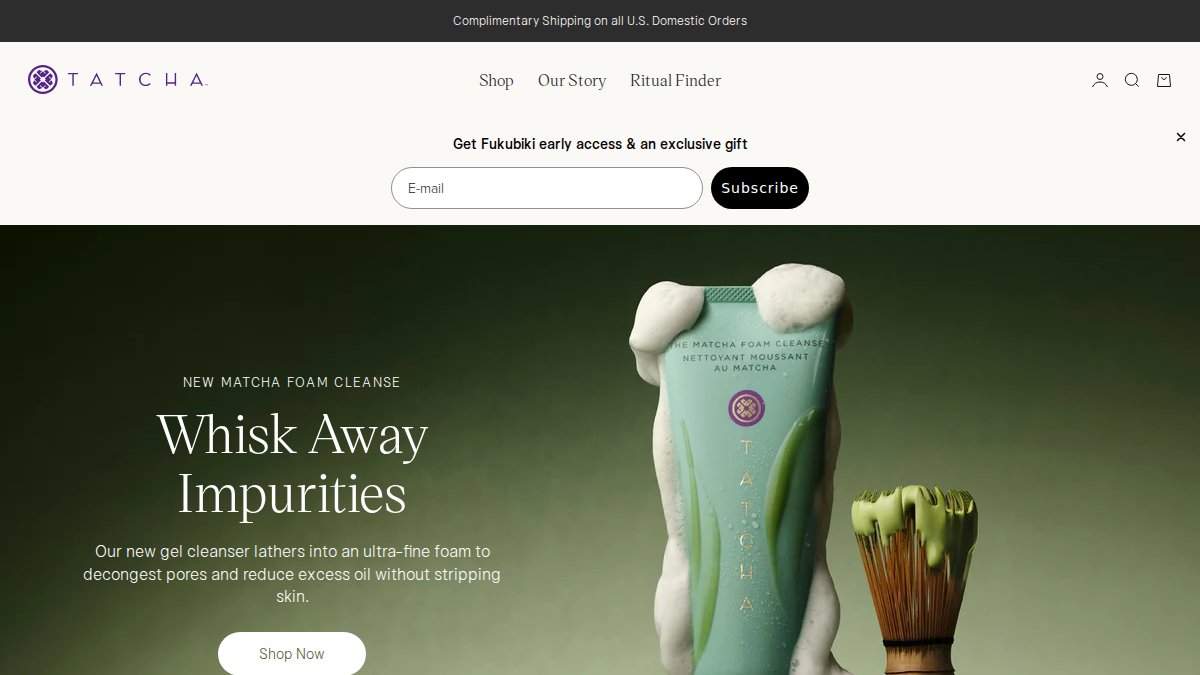
5. Glow Recipe Watermelon Glow Pink Juice Moisturizer, Best for Warm Climates
Glow Recipe Watermelon Glow Pink Juice Moisturizer has a jelly-like consistency that melts into a watery serum. It's formulated with watermelon extract, hyaluronic acid, and antioxidants, creating a refreshing, cooling effect perfect for warm weather. At $40 for 2.03 fl oz, it offers good value.
The texture is uniquely bouncy and absorbs incredibly fast. For people in humid or warm climates, this prevents the heavy, suffocated feeling that many moisturizers create. It works beautifully under SPF and foundation without any pilling or greasy residue.
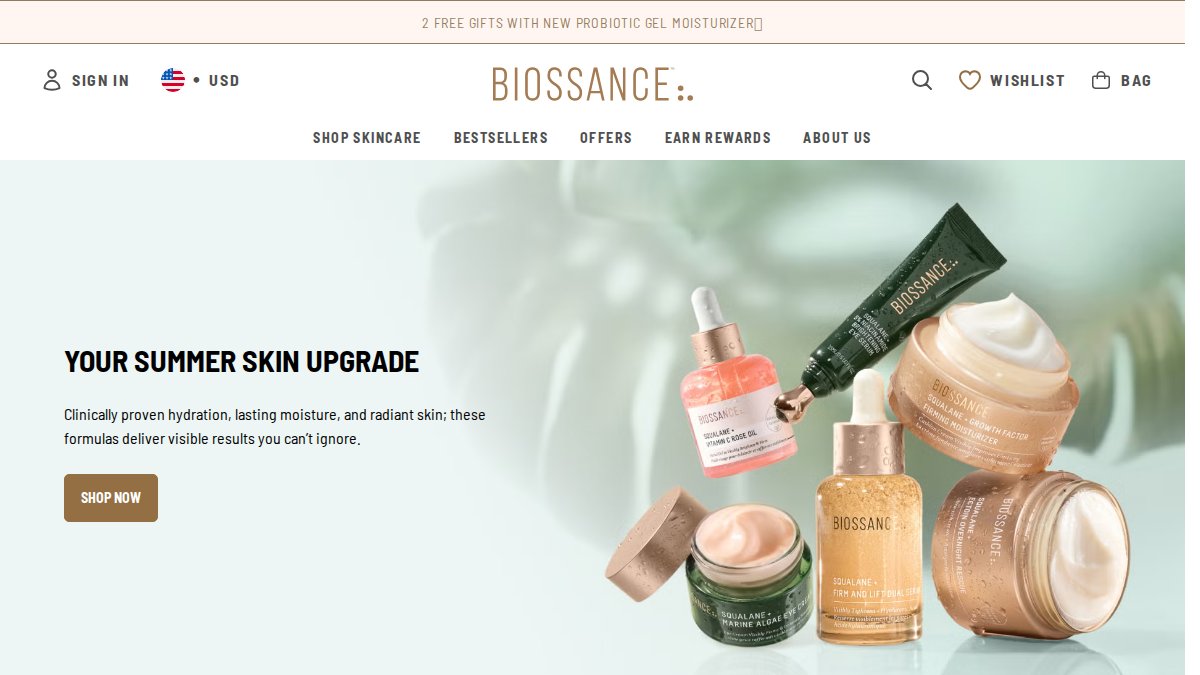
6. Biossance Squalane + Probiotic Gel Moisturizer, Best for Sensitive Skin
Biossance Squalane + Probiotic Gel Moisturizer combines weightless hydration with skin-microbiome support. The gel formula is fragrance-free and includes probiotics to calm irritation and balance skin. At $54 for 1.6 fl oz, it's mid-to-premium pricing.
The probiotic approach is unique. If your oily, dehydrated skin is also reactive or prone to sensitivity, supporting your skin's microbiome can reduce inflammation and improve barrier function. Users report an instant soothing effect.
7. Innisfree Green Tea Seed Hyaluronic Serum, Best Affordable Hydration
Innisfree Green Tea Seed Hyaluronic Serum delivers serious hydration at an accessible price. The serum-like texture is packed with Jeju green tea and hyaluronic acid. At $30 for 2.70 fl oz, it offers the best value per ounce of any option on this list.
The formula absorbs instantly and leaves skin feeling refreshed and hydrated. It works well as a standalone lightweight moisturizer or as a hydrating layer under a richer cream. The limitation: it lacks ceramides and niacinamide, so it hydrates without comprehensive barrier repair.
Comparison Table: Quick Feature Overview
| Product | Starting Price | Texture | Best For | Standout Feature |
|---|---|---|---|---|
| Aeran Skincare | Varies | Lightweight cream | Compromised barriers | Ceramide-forward barrier repair |
| Neutrogena Hydro Boost | $22 | Gel | Budget-conscious users | Hyaluronic acid, non-comedogenic |
| Kiehl's Ultra Facial | $36 | Gel-cream | Oil control | Sebum-absorbing technology |
| Tatcha Water Cream | $72 | Silky water cream | Anti-aging focus | Japanese botanicals + anti-aging |
| Glow Recipe Pink Juice | $40 | Jelly serum | Warm climates | Cooling, refreshing effect |
| Biossance Squalane | $54 | Gel | Sensitive skin | Probiotic microbiome support |
| Innisfree Green Tea | $30 | Serum | Value hydration | Best price per ounce |
Climate-Specific Recommendations
Your climate significantly affects how oily, dehydrated skin behaves and which lightweight moisturizer will perform best.
Humid and Warm Climates
In warm, humid climates, your skin produces more sebum and loses water more quickly through perspiration. You need a moisturizer that hydrates without feeling heavy or trapping heat against your skin.
Glow Recipe Watermelon Glow Pink Juice is ideal because the cooling effect and jelly texture feel refreshing rather than suffocating. Innisfree Green Tea Seed Serum also works well, with its lightweight, serum-like consistency. Avoid heavier gel-creams or anything with occlusive oils in warm climates.
Dry and Cold Climates
In cold, dry climates, your barrier faces constant assault from low humidity and temperature fluctuations. You need a moisturizer that truly repairs the barrier, not just hydrates temporarily.
Aeran Skincare is the top choice for cold climates because the ceramide-forward formula addresses barrier repair comprehensively. Kiehl's Ultra Facial Oil-Free Gel Cream also performs well. In very cold climates, consider using a heavier moisturizer at night while maintaining a lightweight formula during the day.
Budget-Friendly Skin Cycling for Oily, Dehydrated Skin
Skin cycling is a strategic approach to layering and rotating products to maximize hydration and barrier repair without overwhelming your skin or spending excessively. For oily, dehydrated skin, this approach prevents over-reliance on expensive products while delivering superior results.
A practical approach: use Neutrogena Hydro Boost Water Gel on days when your skin feels particularly oily, and switch to Aeran Skincare on days when you notice tightness or flakiness. This rotation costs less than using a premium product daily while delivering results faster.
Another strategy: layer Innisfree Green Tea Serum (hydration) with Aeran Skincare (barrier support) on alternate nights. For warm months, rely on lighter gel textures like Glow Recipe or Neutrogena. For cold months, upgrade to Aeran Skincare or Kiehl's. This seasonal rotation ensures your skin gets exactly what it needs without unnecessary expense.
The key insight: oily, dehydrated skin doesn't need one perfect moisturizer. It needs variety in hydration and barrier support. Rotating between formulas prevents adaptation, accelerates visible results, and costs significantly less than committing to a single premium product year-round.
Oily, dehydrated skin is frustrating, but it's not permanent. The right lightweight moisturizer for oily and dehydrated skin can transform your skin within weeks, reducing tightness, controlling excess oil, and clearing congestion simultaneously. Aeran Skincare's barrier-first approach, built on ceramides and clean ingredients, addresses the root cause of dehydration rather than just adding water to your skin. If your barrier is compromised or you've struggled with sensitivity using other products, Aeran Skincare delivers visible results for truly problematic skin. Start with their formulation, observe how your skin responds over 3-4 weeks, and adjust your routine based on actual results.
Frequently Asked Questions
How can I tell if my skin is oily and dehydrated?
Oily and dehydrated skin shows surface oil and shine, especially in the T-zone, while simultaneously feeling tight, flaky, or uncomfortable. You may notice clogged pores despite excess sebum production. The key difference from simply dry skin is that your skin produces oil as a protective response to transepidermal water loss (TEWL). Test by applying a lightweight moisturizer for oily and dehydrated skin: if your skin feels relieved rather than greasier, dehydration is likely the culprit.
What ingredients should I look for in a lightweight moisturizer for oily, dehydrated skin?
Look for hyaluronic acid to attract moisture, ceramides to repair your skin barrier, and niacinamide to regulate sebum production without heaviness. Water-based formulations with gel-cream textures absorb quickly without clogging pores. Avoid comedogenic oils and heavy waxes. Non-comedogenic, fragrance-free formulas work best for sensitive, compromised skin. These ingredients work synergistically to hydrate while maintaining an oil-free surface and preventing acne-prone breakouts.
Can oily skin actually be dehydrated?
Yes. Oily skin can be dehydrated when your skin barrier is compromised and loses water through transepidermal water loss. Your skin responds by producing excess sebum to protect itself, creating the confusing combination of surface oil and internal dryness. This is why a lightweight moisturizer for oily and dehydrated skin with barrier-repair ingredients like ceramides is essential, it addresses the root cause rather than just controlling shine.
What's the difference between a gel moisturizer and a cream for oily, dehydrated skin?
Gel moisturizers have a lightweight, water-based texture that absorbs quickly and leaves a matte or dewy finish without heaviness, ideal for oily skin. Creams are richer and may feel occlusive. For oily and dehydrated skin, gel-cream hybrids or pure gel textures are preferred because they provide hydration and barrier repair without the greasy feel or risk of clogged pores that traditional creams pose.
How long does it take to rehydrate oily and dehydrated skin?
Most people notice improved skin texture and reduced tightness within 2-4 weeks of consistent use with a lightweight moisturizer for oily and dehydrated skin. However, true barrier repair, reducing transepidermal water loss and stabilizing sebum production, typically takes 6-8 weeks. Consistency matters: use your chosen moisturizer morning and night, and avoid over-stripping your skin with harsh cleansers that worsen dehydration.
This article was written using GrandRanker