
Niacinamide for Oily Skin: Benefits and How to Use It
Table of Contents
- What Niacinamide for Oily Skin Actually Does
- The Best Niacinamide Percentage for Oily Skin
- How to Use Niacinamide Serum in Your Routine
- Frequently Asked Questions
Last Updated: October 19, 2026
What Niacinamide for Oily Skin Actually Does
Niacinamide, a form of vitamin B3, controls excess oil, calms redness, and supports the skin barrier, making niacinamide for oily skin one of the most useful ingredients you can add to a routine.
It regulates sebum while helping skin hold onto moisture, unlike shine-control products that strip oil and leave skin tight.
At Aeran Skincare, we build barrier-first formulas because oily skin is often also dehydrated.
What it does for oily and acne-prone skin:
- Regulates sebum so skin looks less greasy
- Supports the barrier and reduces water loss
- Calms visible redness and inflammation
- Improves the look of enlarged pores and evens out tone and post-blemish dark spots
The American Academy of Dermatology's guidance on skin care ingredients covers how niacinamide supports the barrier. That barrier support matters. Oily skin that's been over-cleansed often produces more oil to compensate.
The Best Niacinamide Percentage for Oily Skin
The best niacinamide percentage for most oily skin is 4% to 5%, which gives oil-regulating and barrier benefits without the irritation higher strengths can trigger.
Most guides push 10% and 20% serums as "stronger, so better," but past a certain point you get more sting and no extra benefit.
Start at 5%, give it four to six weeks, and only move up if your skin is completely comfortable.
| Strength | Best For | Watch Out For |
|---|---|---|
| 2-3% | Very reactive or first-time skin | Slower visible change |
| 4-5% | Most oily and acne-prone skin | Rare, mild tingling |
| 10% | Tolerant skin only | Stinging, redness, flaking |
| 15-20% | Not worth it for most people | Higher irritation, no clear gain |
Side effects are usually mild: brief flushing or tingling on first use, unlike true irritation (ongoing redness, stinging, flaking). If that happens, drop to a lower strength or use it every other day.
How to Use Niacinamide Serum in Your Routine
Apply niacinamide serum after cleansing and before moisturizer, morning and evening: a few drops pressed into damp skin, sealed with moisturizer and finished with sunscreen in the morning.
Exosomes + Niacinamide Serum →

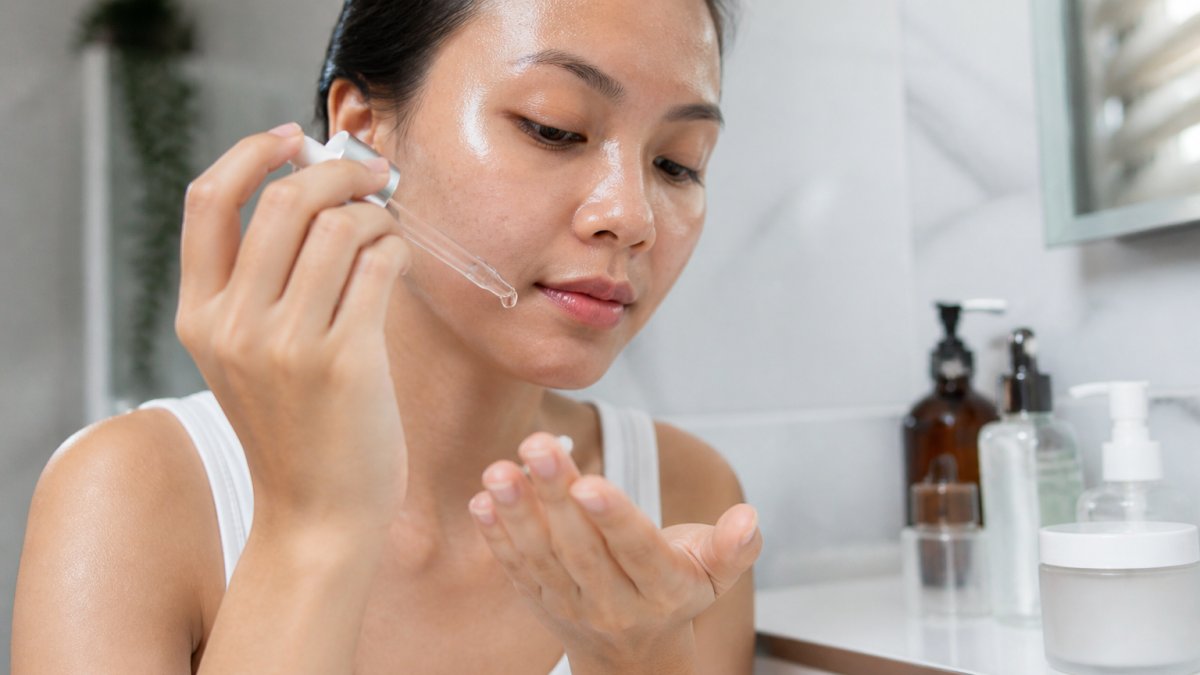
Step by step:
- Cleanse with a gentle, non-stripping wash
- Press serum into damp skin
- Wait about a minute
- Follow with moisturizer
- Use SPF every morning
Niacinamide plays well with most actives; the old vitamin C warning has been largely walked back, though some skin still prefers them at different times of day.
Niacinamide and salicylic acid pair well for oily, blemish-prone skin: salicylic acid clears buildup inside the pore, then niacinamide calms and supports the barrier. Use the toner first, let it dry, then apply serum.
A simple weekly plan:
- Morning: cleanse, niacinamide serum, moisturizer, SPF
- Evening: cleanse, salicylic acid toner two or three nights a week, niacinamide serum, moisturizer
- Once or twice a week: swap in a gentle exfoliator, skip the toner
Our Exosomes + Niacinamide Serum pairs niacinamide with hyaluronic acid and centella asiatica and layers easily morning and evening. For oily skin that also breaks out, the Clear Skin Gift Box gives you a full three-step routine without guesswork.

Two caveats: niacinamide takes weeks, not days, and if persistent acne or oiliness doesn't improve after a couple of months, see a dermatologist.
Frequently Asked Questions
Does niacinamide reduce excess oil?
Niacinamide can help regulate sebum production, which may reduce how much oil your skin produces over time. It does not strip oil the way a harsh cleanser does. Most people notice less midday shine and a more balanced feel after several weeks of consistent use. Pair it with a gentle cleanser and a lightweight moisturizer so your skin does not overcompensate by producing more oil. If oiliness persists after two to three months, a dermatologist can check for other causes.
Can you use niacinamide with salicylic acid?
Yes, niacinamide and salicylic acid work well together. Salicylic acid clears buildup inside the pore, while niacinamide supports the skin barrier and helps calm redness. Apply the salicylic acid product first, let it absorb, then follow with a niacinamide serum. If your skin is sensitive, start with salicylic acid two or three times a week rather than daily, and watch for dryness or stinging. A fragrance-free toner with salicylic acid followed by a niacinamide serum is a practical combination for oily, blemish-prone skin.
How long does niacinamide take to work on oily skin?
Expect four to eight weeks of regular use before you judge results. Oil control and pore appearance change gradually because they depend on how your skin regulates sebum over time. Some people notice less shine within two weeks, but texture and tone improvements usually take longer. Use it morning and evening, and do not add a second exfoliant at the same time. If you see no change after two months, check your concentration and make sure the rest of your routine is not stripping your skin.
Oily skin is stubborn, and one ingredient won't fix everything overnight. But a barrier-first routine with niacinamide at a sensible strength does more for shine, pores, and breakouts than harsh oil-stripping ever will. Aeran Skincare builds fragrance-free, ceramide-supported formulas for exactly this: skin that's balanced, calm, and comfortable. Start with our Exosomes + Niacinamide Serum and see how your skin responds over the next month.