
Is Your Skin Barrier Healthy? Signs to Watch For
Table of Contents
- Signs Your Skin Barrier Is Healthy
- Signs of a Damaged Skin Barrier
- Best Ingredients for Skin Barrier Repair
- Frequently Asked Questions
Last Updated: September 21, 2026
Signs Your Skin Barrier Is Healthy
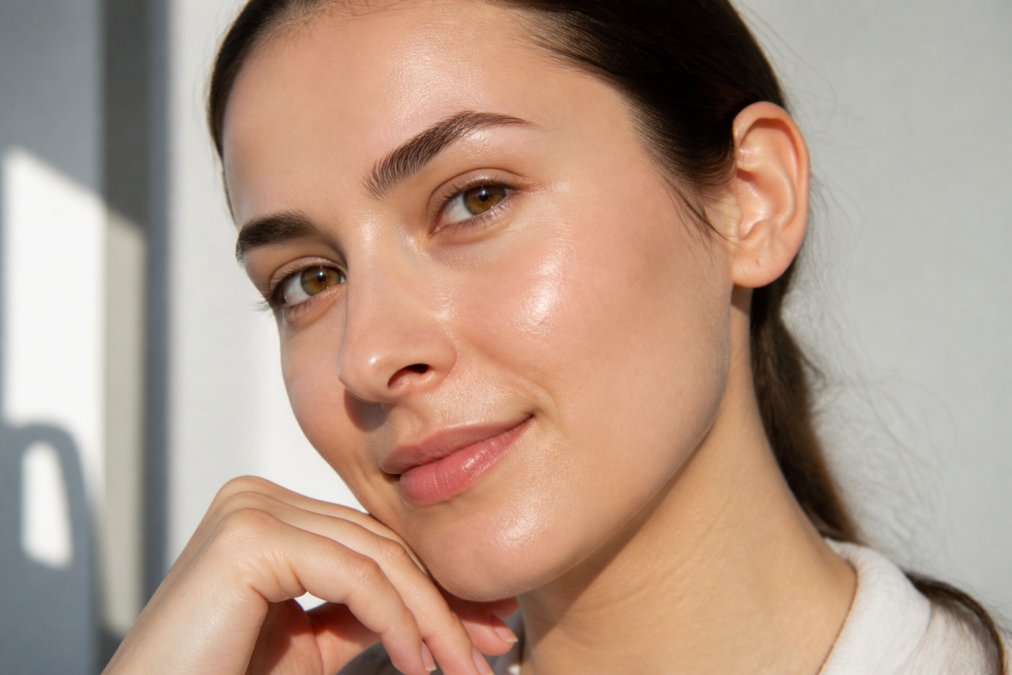
A skin barrier healthy feels smooth, looks even-toned, and shows no irritation or excessive dryness. This protective layer of lipids, ceramides, and fatty acids locks in moisture and keeps irritants out, leaving skin resilient, hydrated, and calm.
Signs of a Damaged Skin Barrier
A compromised skin barrier shows persistent dryness, sensitivity, and inflammation as the lipid layer breaks down. Warning signs include stinging, redness, rough texture, flaking, and increased sensitivity to previously tolerated ingredients, often caused by over-exfoliation, harsh cleansers, or untreated inflammation.
Best Ingredients for Skin Barrier Repair
Ceramides are non-negotiable for barrier repair. These lipid molecules form the structural foundation of your stratum corneum, and when your barrier is damaged, ceramide levels drop significantly. Restoring them directly addresses the root cause of barrier dysfunction. The Journal of Cosmetic Dermatology research on ceramide efficacy confirms that topical ceramides improve skin hydration and barrier function within 2-4 weeks of consistent use.
Hyaluronic acid draws water into skin and works best with ceramides, while fatty acids provide flexibility and permeability. Prebiotics support microbiome balance and aloe reduces inflammation to accelerate healing.
At Aeran Skincare, we formulate with barrier repair as the priority. The Cosmetic Ingredient Review panel guidelines on barrier-supporting ingredients supports the use of these ingredients in combination for maximum efficacy. Our Ceramide Barrier Night Cream delivers ceramides, fatty acids, and aloe to address all three components of barrier repair. The Barrier Biome Serum adds prebiotic support to restore microbiome balance while hyaluronic acid hydrates deeply. For a lightweight option during the day, the Barrier Mist provides prebiotic hydration and environmental protection without heaviness.
Ceramide Barrier Night Cream →

Recovery timelines vary by damage severity. Mild barrier compromise typically improves within 2-3 weeks with consistent barrier-supporting care. Moderate damage may require 4-8 weeks. Severe barrier impairment can take 8-12 weeks or longer, especially if environmental stressors persist. The American Academy of Dermatology guidance on barrier repair timelines emphasizes that consistency matters more than intensity, daily use of the right products outperforms sporadic use of stronger formulations.
Keeping your skin barrier healthy is the foundation of every skincare goal. Repair it first with Aeran Skincare's barrier-first approach: start with the Ceramide Barrier Night Cream and Barrier Biome Serum to rebuild lipid structure and microbiome balance. Visible results are delivered.
Frequently Asked Questions
How can I check if my skin barrier is damaged?
Look for persistent tightness, stinging sensations, unusual redness, or flaking despite moisturizing. If your skin feels reactive to products that previously worked, or if you notice increased sensitivity to environmental stressors, your barrier likely needs support. A healthy skin barrier maintains pH balance and prevents transepidermal water loss, so dehydration that doesn't improve with hydration is a key warning sign.
What ingredients are best for repairing a damaged skin barrier?
Ceramides, fatty acids, and hyaluronic acid are foundational for barrier repair. Ceramides rebuild the lipid layer that protects your skin. Prebiotics support your skin microbiome, which strengthens barrier function naturally. Products like the Ceramide Barrier Night Cream combine these with aloe and plant oils to restore moisture retention and skin integrity. Avoid active ingredients like retinoids while repairing; save them for after your barrier stabilizes.
How long does it take to heal a skin barrier?
With consistent barrier-focused care, visible results are delivered. During this period, use gentle, fragrance-free products and avoid over-exfoliation and harsh actives. Patience and consistency matter more than switching products frequently, which can extend the healing timeline and cause further irritation.