


How to Soothe Irritated Skin After Retinol Peeling
Table of Contents
- Why Retinol Causes Irritated Skin and Peeling
- How Long Does Retinol Peeling Last?
- How to Repair Damaged Skin Barrier Fast
- Frequently Asked Questions
Last Updated: September 8, 2026
Why Retinol Causes Irritated Skin and Peeling
Retinol accelerates cell turnover, disrupting the stratum corneum and causing the redness, flaking, and tightness known as the retinization period. When the barrier weakens, transepidermal water loss spikes, making irritated skin feel raw and sensitive to even basic moisturizers. The inflammation is a sign your skin is adapting, not that the product is failing, but pushing through severe erythema or peeling without adjusting your routine damages the moisture barrier further.
How Long Does Retinol Peeling Last?
The peeling phase typically lasts two to four weeks, with flaking peaking around day seven to ten before gradually subsiding. Reduce frequency to every third night if peeling feels unmanageable. Do not stop cold turkey unless you experience severe dermatitis, blistering, or open sores, which warrants a break and professional advice.
How to Repair Damaged Skin Barrier Fast
Repairing a compromised skin barrier requires shifting from active ingredients to emollients, occlusives, and ceramides to lock in hydration and rebuild the lipid layer.
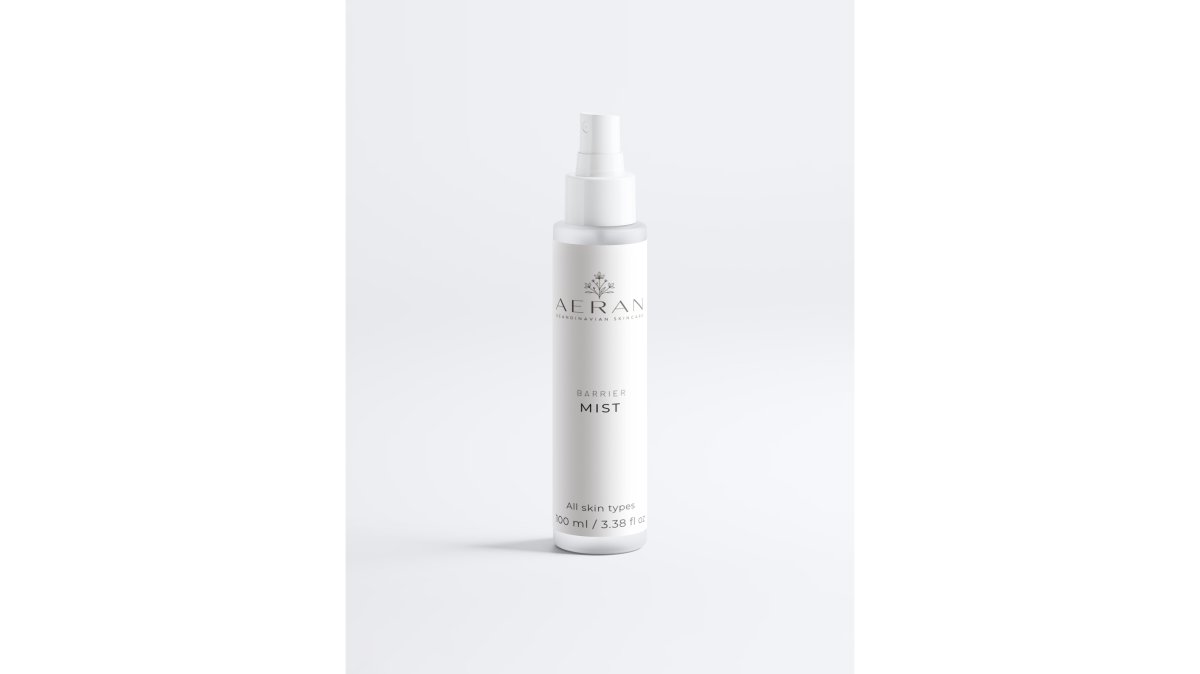
Start with a gentle, fragrance-free cleanser, then apply a hydrating mist or serum while skin is damp. Follow with a ceramide barrier cream to seal in moisture. The American Academy of Dermatology guidance on retinol use recommends waiting 20 to 30 minutes after cleansing before applying retinol. For daytime, apply SPF 30 or higher, since new skin cells are highly vulnerable to UV damage.

The Sandwich Technique for Sensitive Skin
The sandwich method involves applying moisturizer, then retinol, then another layer of moisturizer on top, buffering the active ingredient and slowing its penetration. Avoid applying retinol to bone-dry skin, which increases absorption and leads to more peeling.
Best Moisturizer for Retinol Peeling
The best moisturizer for retinol peeling contains ceramides, hyaluronic acid, and soothing agents like aloe vera. The National Institutes of Health review on ceramides and skin barrier function confirms that topical ceramides help restore the stratum corneum and reduce transepidermal water loss. Look for fragrance-free, hypoallergenic formulas that list ceramides in the first half of the ingredient deck.
Ingredients to Avoid During the Repair Phase
While your skin is flaking, avoid alpha hydroxy acids, beta hydroxy acids, benzoyl peroxide, or high concentrations of vitamin C, as these compound irritation. Also avoid fragrances, essential oils, and denatured alcohols, which act as irritants on already inflamed skin.
Night-Time vs. Day-Time Recovery Protocols
Night-time recovery should prioritize occlusion and repair, apply a ceramide barrier cream as the final step. Daytime recovery focuses on protection and hydration: use a lightweight moisturizer with hyaluronic acid, followed by sunscreen. If your skin feels tight by midday, a prebiotic hydrating mist can refresh and calm irritated skin without disturbing your makeup.
Applying Makeup Over Peeling Skin
Skip powder-based foundations, which cling to dry patches, and opt for a hydrating cream or tinted moisturizer instead. Use a damp beauty sponge to press the product into the skin rather than dragging a brush across the surface.
The Psychological Side of Retinization
The retinization phase is mentally challenging because your skin looks worse before it looks better, leading many to abandon retinol within the first two weeks. Remind yourself that mild flaking and redness are expected. Track your progress with weekly photos rather than daily mirror checks. The Skin Cancer Foundation's retinol resource page notes that consistent, gradual use is the key to retinoid success.
| Recovery Step | What to Use | Frequency | Expected Effect |
|---|---|---|---|
| Gentle cleanse | Fragrance-free cleanser | Twice daily | Removes impurities without stripping |
| Hydrate | Hyaluronic acid serum or mist | After cleansing | Draws water into the skin |
| Repair | Ceramide barrier cream | Morning and night | Rebuilds the lipid layer |
| Protect | SPF 30+ sunscreen | Every morning | Prevents UV damage to new skin |
| Cool | Chilled mist or compress | As needed | Reduces redness and stinging |
The most important rule during retinization is consistency with a simplified routine. Once the peeling subsides, slowly reintroduce retinol, starting with one night per week and building up as your tolerance allows.
Retinol peeling is a temporary hurdle, not a permanent setback. Recovery comes down to removing irritants, layering ceramides and hydration, and protecting new skin from the sun. Aeran Skincare's barrier-first formulations, including the Ceramide Barrier Night Cream and Barrier Biome Serum, are designed to support compromised skin.
Frequently Asked Questions
How to calm skin after retinol irritation?
Stop using retinol for a few days and switch to a minimal routine: cleanse with lukewarm water, apply a hydrating mist with prebiotics, then seal everything in with a fragrance-free ceramide cream. A cool compress also reduces redness. Avoid exfoliating acids, vitamin C, and other active ingredients until the stinging stops and the skin feels comfortable again.
What ingredients should I avoid when my skin is peeling from retinol?
During the peeling phase, avoid harsh exfoliants like glycolic and salicylic acid, plus strong vitamin C. Skip fragranced products and alcohol-based toners, as they sting compromised skin. Stick to soothing ingredients: hyaluronic acid, ceramides, aloe vera, and prebiotics. These support the moisture barrier and calm irritated skin without adding more stress to it.
Can I continue using retinol while my skin is peeling?
No. Pause retinol until the peeling stops and your skin no longer feels tight or sensitive. Pushing through irritation increases inflammation and can damage the skin barrier further. Once your skin heals, restart at a lower frequency, like twice a week, and use the sandwich technique: moisturizer, then a pea-sized amount of retinol, then another layer of moisturizer.