
What Vitamins Repair the Skin Barrier? A 2026 Guide
Table of Contents
- What Vitamins Repair the Skin Barrier?
- Signs of a Damaged Skin Barrier and How to Repair It
- How Long Does It Take to Repair the Skin Barrier?
- Vitamins A, C, E, and D: What Each One Does for Barrier Repair
- The Role of Minerals: Zinc, Iron, and Selenium
- Antioxidant Protection and Oxidative Stress
- Dietary Sources vs. Supplementation
- Dosage, Bioavailability, and What Actually Absorbs
- Contraindications and Interactions to Know Before You Supplement
- Topical vs. Oral: Getting the Synergy Right
- Frequently Asked Questions
Last Updated: September 20, 2026
What Vitamins Repair the Skin Barrier?
The vitamins that repair the skin barrier are A, C, E, and D, working with minerals like zinc and selenium. No single one works alone: A supports cellular turnover, C drives collagen synthesis, E neutralizes free radicals, and D regulates barrier repair.
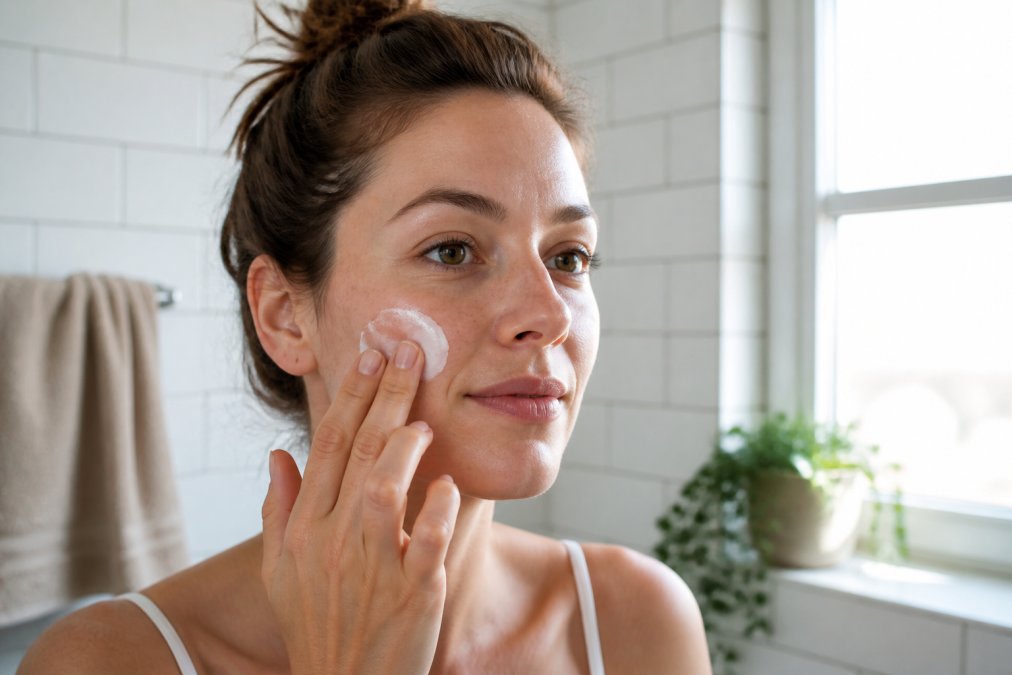
Signs of a Damaged Skin Barrier and How to Repair It
The clearest signs of a damaged skin barrier are persistent stinging, redness, tightness after cleansing, flaking, and new sensitivity to products that never bothered you before, signs of elevated water loss and a compromised lipid bilayer.
Don't add more actives; exfoliants and retinoids worsen inflammation. Strip back to gentle cleansing, barrier-supporting moisturizers, and sun protection.
Repair means rebuilding inside and out: topically, ceramides and fatty acids replace what the lipid bilayer lost; orally, vitamins A, C, E, and D plus zinc support the dermal matrix.
American Academy of Dermatology guidance on caring for sensitive skin
How Long Does It Take to Repair the Skin Barrier?
Most people see meaningful improvement within two to four weeks of consistent barrier-first care, with full recovery typically taking four to eight weeks, depending on damage severity, nutrient status, and continued UV or harsh-cleanser exposure.
Vitamins A, C, E, and D: What Each One Does for Barrier Repair
Vitamin A supports cellular turnover and epidermal rebuilding; C drives collagen synthesis and acts as a primary antioxidant; E is the skin's main fat-soluble antioxidant, protecting the lipid bilayer from oxidative stress; D regulates barrier repair and inflammation.
They work as a team: C regenerates E after it neutralizes a free radical, and A needs zinc to be metabolized properly.
The Role of Minerals: Zinc, Iron, and Selenium
Zinc, iron, and selenium enable enzymes that repair tissue and control inflammation: zinc for wound healing and collagen synthesis, selenium with vitamin E in antioxidant defense, iron for oxygen delivery.
Antioxidant Protection and Oxidative Stress
Oxidative stress from UV and pollution breaks down the lipid bilayer and accelerates water loss; vitamins C and E, selenium, and zinc neutralize free radicals before they reach the dermal matrix.
Topical and oral antioxidants work better together: a serum protects the surface while supplementation supports deeper layers where collagen synthesis happens.
Dietary Sources vs. Supplementation
Whole foods come first: vitamin A from liver, eggs, and leafy greens; C from citrus, peppers, and broccoli; E from nuts, seeds, and olive oil; D from fatty fish, fortified foods, and sun; zinc from meat, shellfish, and legumes.
Supplement when intake is limited, absorption is poor, or skin shows deficiency signs, sensibly, not megadosing, and after checking with a healthcare provider.
Dosage, Bioavailability, and What Actually Absorbs
Bioavailability determines how much your skin gets: fat-soluble vitamins need dietary fat, vitamin C absorption plateaus so split doses beat one large one, and zinc competes with iron and copper.
| Nutrient | Best Absorbed With | Watch Out For |
|---|---|---|
| Vitamin A | Fat-containing meal | High doses during pregnancy |
| Vitamin C | Split doses, with food | GI upset at high doses |
| Vitamin E | Fat-containing meal | Interacts with blood thinners |
| Vitamin D | Fat-containing meal | Toxicity at sustained high doses |
| Zinc | Separate from iron and copper | Nausea on an empty stomach |
Contraindications and Interactions to Know Before You Supplement
Vitamin E and K can raise bleeding risk with blood thinners, high-dose vitamin A is a concern in pregnancy, and zinc interferes with certain antibiotics.
Anyone taking prescription medication, pregnant, or managing a chronic condition should speak with a healthcare provider before starting a supplement routine. NIH Office of Dietary Supplements fact sheets
Topical vs. Oral: Getting the Synergy Right
Topical vitamins repair the surface while oral vitamins support deeper layers; using both is where barrier repair holds instead of stalling.
A barrier-first routine pairs the Ceramide Barrier Night Cream, which delivers ceramides and fatty acids into the lipid layer overnight, with the Barrier Biome Serum, which feeds the good bacteria keeping your barrier balanced.

Frequently Asked Questions
Which vitamin is good for repairing the skin barrier?
Vitamin A supports skin cell turnover and collagen production, while vitamin C aids collagen synthesis and protects against oxidative stress. Vitamin E neutralizes free radicals, and vitamin D helps regulate skin cell growth. Zinc, though a mineral, is also vital for barrier repair. A combination of these nutrients, alongside ceramides and fatty acids, supports skin barrier integrity.
What supplements can help repair the skin barrier?
Supplements containing vitamins A, C, E, and D, plus minerals like zinc and selenium, can support barrier repair from within. However, bioavailability varies, and it's best to consult a healthcare provider before starting any supplement. Topical products with ceramides, like Aeran Skincare's Ceramide Barrier Night Cream, can complement oral nutrition by delivering barrier-building lipids directly to the skin.
Can oral vitamins improve skin barrier function?
Yes, oral vitamins can improve skin barrier function by providing essential nutrients that support cellular repair and antioxidant defense. For example, vitamin C aids collagen synthesis, and vitamin E protects against UV-induced damage. However, absorption can be limited, and topical application of vitamins may offer more direct benefits for the skin barrier.
Barrier repair takes consistency, and most people quit before the four-week mark. At Aeran Skincare, our barrier-first, Scandinavian-formulated range is built around ceramides and clean ingredients that support sensitive, dry, and compromised skin without triggering the sting that sends you back to square one. Get started with Aeran Skincare and give your barrier the topical support it needs while your vitamins do the work underneath.