


Why Face Feels Tight After Cleansing? Causes & Fixes
Table of Contents
- Why Does My Face Feel Tight After Cleansing? The Real Culprits
- Signs of a Damaged Skin Barrier Beyond Tightness
- How to Repair Damaged Skin Barrier: A Simple Routine
- Best Gentle Cleansers for Sensitive Skin (And What to Avoid)
- Frequently Asked Questions
Last Updated: September 5, 2026
Why Does My Face Feel Tight After Cleansing? The Real Culprits
That tight, drawn sensation after washing is a direct signal that your cleansing routine is disrupting your skin's moisture barrier (the American Academy of Dermatology). A tight feeling means your skin's natural lipid barrier has been stripped of the oils and ceramides it needs to hold onto water, leaving the stratum corneum dehydrated and vulnerable. According to dermatological guidance from the American Academy of Dermatology on proper face washing, the most common cause is using a cleanser with harsh surfactants that are too aggressive for your skin type.
The primary culprits are foaming cleansers loaded with sulphates, washing with water that is too hot, and over-cleansing. When your face feels tight, the protective lipid barrier has been compromised, which increases transepidermal water loss. At Aeran Skincare, we formulate around this exact problem: barrier-first cleansing that removes impurities without stripping natural oils.
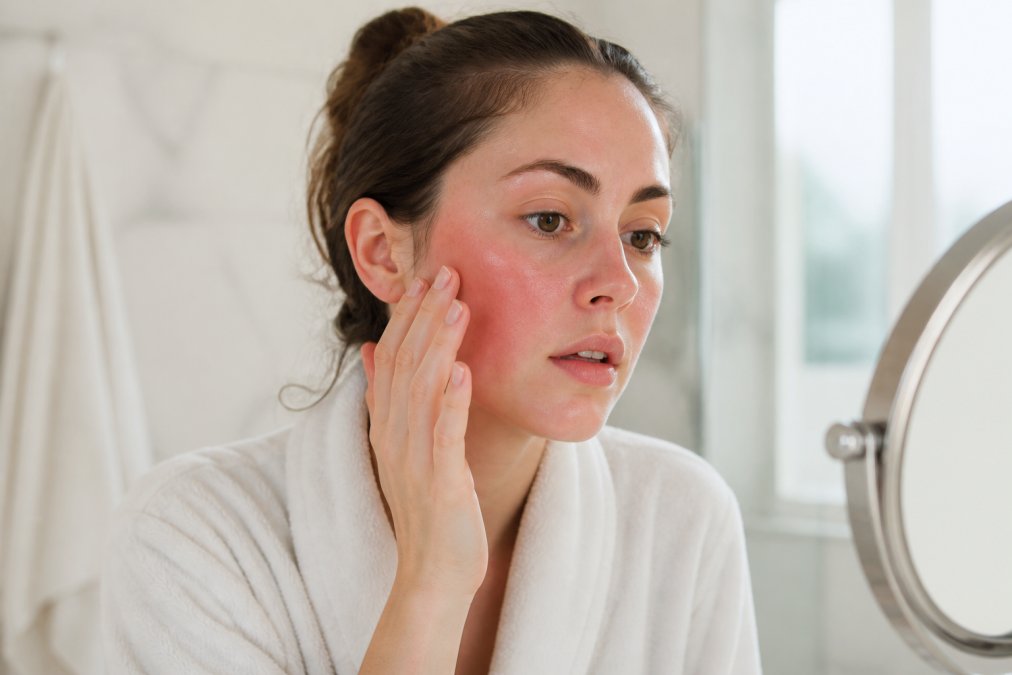
Signs of a Damaged Skin Barrier Beyond Tightness
Tightness is just the first warning sign. If the lipid barrier continues to break down, you will notice redness, flaking, stinging when applying products, and a rough skin texture. Your skin's microbiome also suffers, making it harder to defend against environmental stressors.
Many people mistake this for a need to exfoliate more, when the opposite is true: your skin needs ceramides and emollients to rebuild the lipid layer. A common mistake is piling on heavy creams when your barrier is damaged, which can clog pores without actually repairing the underlying lipid depletion.
How to Repair Damaged Skin Barrier: A Simple Routine
Repairing a damaged skin barrier takes a consistent, gentle routine. The process is straightforward: stop using harsh cleansing agents, switch to lukewarm water, and apply a moisturizer rich in ceramides and fatty acids while your skin is still damp.
- Step 1: Swap your foaming cleanser for a low-lather or oil-based cleanser that respects your skin's natural oils.
- Step 2: Wash with lukewarm water only. Hot water strips the lipid barrier faster than any cleanser (skincancer.org).
- Step 3: Apply a ceramide-rich moisturizer within 60 seconds of patting your skin dry to lock in hydration.
- Step 4: Avoid exfoliating acids and retinol until the tightness and redness subside.
The Ceramide Barrier Night Cream from Aeran Skincare is designed for this exact purpose, delivering ceramides and hyaluronic acid directly into the lipid layer while you sleep. For the cleansing step itself, the Calm Foam Wash uses calendula and chamomile to cleanse without stripping, making it a strong choice for reactive skin.


Best Gentle Cleansers for Sensitive Skin (And What to Avoid)
The best gentle cleansers for sensitive skin are sulphate-free, fragrance-free formulas that cleanse without disrupting the acid mantle or your skin's pH balance. Look for mild surfactants, and avoid anything that foams aggressively or leaves your face feeling squeaky clean, which is a sign that your natural oils have been completely removed.
When choosing a cleanser, prioritize formulas with calming botanicals and humectants over stripping gels. The Silky Oil Cleanser from Aeran Skincare starts as an oil-gel and melts into a milk on contact with water, dissolving makeup and impurities without leaving skin tight. A low-lather foam like the Calm Foam Wash is another solid option for daily use, as it supports skin renewal with lactic acid without disrupting the barrier.

| Cleanser Type | Best For | What to Avoid |
|---|---|---|
| Oil-to-milk cleansers | Dry, compromised, or sensitive skin | Harsh foaming agents |
| Low-lather foams | Daily use on all skin types | Sulphates and high pH formulas |
| Cream cleansers | Very dry or mature skin | Fragrance and essential oils |
| Gel cleansers | Oily skin (use sparingly) | Over-stripping surfactants |
The hard truth is that many cleansers marketed for sensitive skin still contain ingredients that trigger reactions. Water quality plays a role too: hard water leaves a residue that can dry out the skin and make tightness worse regardless of which cleanser you use. If your face feels tight after cleansing no matter what product you try, check whether your water is hard and consider a shower filter. Seasonal changes matter as well, since cold winter air and indoor heating accelerate transepidermal water loss, so you may need a gentler cleanser in winter than in summer.
Frequently Asked Questions
Should your face feel tight after cleansing?
No, a healthy skin barrier should not feel tight after washing. Tightness is a direct sign that your skin's natural lipid barrier has been stripped of moisture and oils. This condition, known as transepidermal water loss, leaves the skin feeling dehydrated and vulnerable. While it is common, it is not normal. If your face feels tight after cleansing, it means your cleanser is likely too harsh or your skin barrier is already compromised and needs a gentler cleansing routine.
How can I tell if my skin barrier is damaged?
Tightness after cleansing is one of the first signs of a damaged skin barrier. Other signs of a damaged skin barrier include persistent dryness, flakiness, redness, a stinging or burning sensation when applying products, and increased skin sensitivity. You may also notice your skin looks dull or feels rough to the touch. If you experience these symptoms, focus on barrier repair by using gentle, fragrance-free cleansers and moisturizers rich in ceramides and hyaluronic acid to restore your skin's natural lipid layer.
What is the best way to stop my skin from feeling tight after washing?
To stop your face from feeling tight, switch to a gentle, low-foaming cleanser that protects your skin barrier. Wash with lukewarm water, not hot, as high water temperature strips natural oils. After cleansing, gently pat your skin dry with a soft towel instead of rubbing, and apply a moisturizer with ceramides or hyaluronic acid within 60 seconds to lock in hydration. For best results, try a calming cleanser with ingredients like calendula and chamomile, designed for sensitive skin.