


Best Barrier Repair Cream 2026 Reviews
Table of Contents
- What Makes a Barrier Repair Cream Effective
- Signs of Damaged Skin Barrier
- Best Ingredients for Skin Barrier Repair
- How to Fix Damaged Skin Barrier
Last Updated: August 21, 2026
What Makes a Barrier Repair Cream Effective
A barrier repair cream is a moisturizer specifically formulated to restore and strengthen your skin's protective lipid layer, which keeps water in and irritants out. When this barrier breaks down, your skin loses hydration, becomes inflamed, and turns reactive to nearly everything you apply.

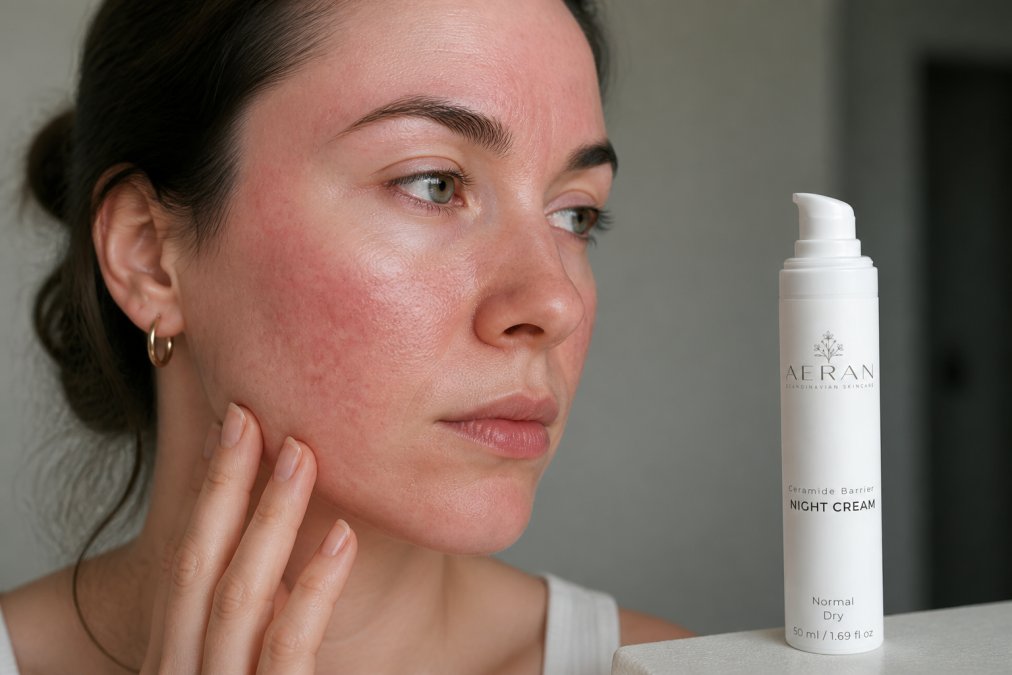
The most effective barrier repair creams share three core features: ceramides, fatty acids, and occlusives. Ceramides fill gaps in your lipid layer like mortar between bricks. Fatty acids (linoleic acid, oleic acid) reinforce the barrier's structure. Occlusives like shea butter and cocoa butter seal everything in place, preventing transepidermal water loss.
At Aeran Skincare, we've built our formulations around this science. The difference between a generic moisturizer and a true barrier repair cream comes down to ingredient concentration and intentional omission. Barrier creams skip fragrance, essential oils, and common irritants that compromise sensitive skin. They're also heavier than serums, delivering the occlusive protection compromised skin needs most.
Recovery doesn't happen overnight. Most people see visible improvement in redness and texture within 2-4 weeks of consistent use, though full barrier resilience takes 6-8 weeks (the American Academy of Dermatology). The timeline depends on how damaged your barrier is and whether you've eliminated the original cause (over-exfoliation, harsh actives, environmental stress).
Signs of Damaged Skin Barrier
Your skin barrier is compromised when you notice persistent redness, tightness, or a sandpaper texture that won't resolve with regular moisturizer. The telltale signs include sensitivity to products that never bothered you before, burning or stinging sensations immediately after application, and increased breakouts despite improved hygiene.
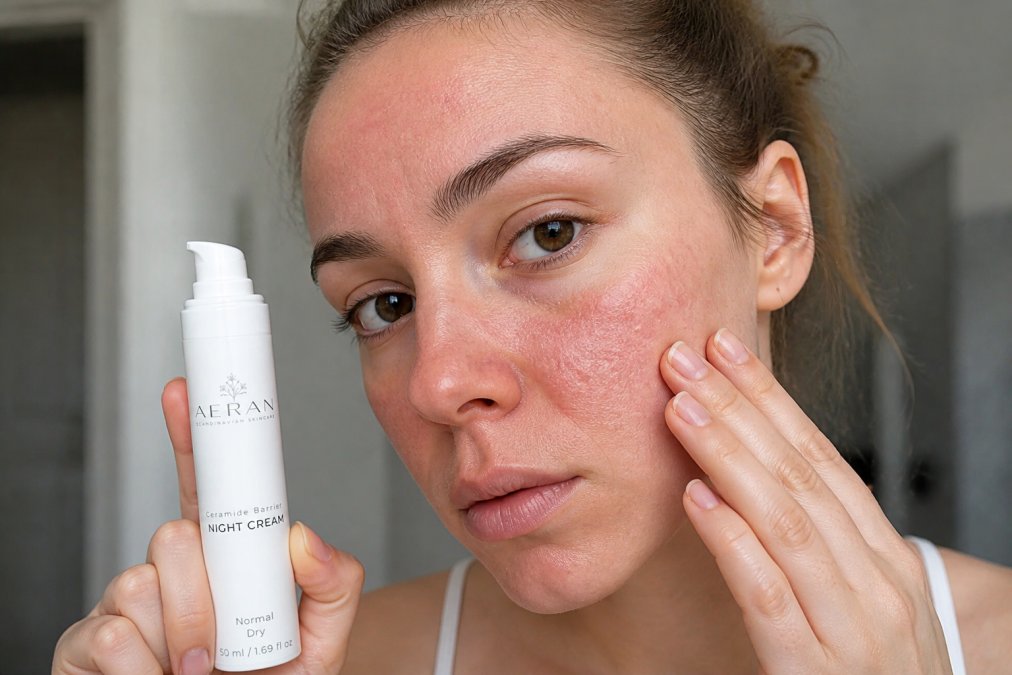
Dehydration is another marker. When your barrier fails, water escapes through your skin instead of staying trapped inside. This creates a dull, flaky appearance and makes fine lines look more pronounced. You might also notice your skin overproduces oil as a desperate attempt to compensate for lost hydration, even though the underlying issue is dryness.
Inflammation and sensitivity escalate quickly once the barrier weakens. Your skin microbiome becomes unbalanced, allowing irritant bacteria to proliferate. This is why barrier-damaged skin reacts to things like water temperature changes, fragrance, and even certain fabrics touching your face. The barrier isn't just a moisture seal, it's your skin's immune defense system.
Best Ingredients for Skin Barrier Repair
Ceramides are non-negotiable. These lipids make up roughly 50% of your barrier's structure, so using a cream with ceramide NP, ceramide AP, or ceramide EOP directly addresses the root problem (peer-reviewed research). Hyaluronic acid supports hydration by drawing water into the skin, though it works best when layered under an occlusive cream.
Cholesterol and fatty acids complete the barrier's lipid matrix. Linoleic acid is especially important, your skin cannot synthesize it, so it must come from topical products (peer-reviewed research). Shea butter, cocoa butter, and plant oils provide both fatty acids and occlusive protection. Aloe juice soothes inflammation without irritating reactive skin.
Prebiotics are the emerging player in barrier repair. These feed beneficial bacteria on your skin's surface, restoring microbiome balance and strengthening your natural defenses. Hypoallergenic, fragrance-free formulations prevent triggering further damage while your barrier recovers.
Avoid anything with fragrance, essential oils, alcohol denat, or high concentrations of active ingredients like retinol or vitamin C while repairing. Your barrier needs stability, not stimulation. Once recovery is complete, you can reintroduce actives carefully.
How to Fix Damaged Skin Barrier
Start by simplifying your routine to three steps: a gentle cleanser, a barrier repair serum or cream, and a heavier occlusive moisturizer at night. Use lukewarm water, not hot, heat strips away remaining lipids and increases inflammation. Pat skin dry gently instead of rubbing.
Apply products to damp skin. Hyaluronic acid and water-based serums work best on slightly wet skin, where they can draw moisture deeper. Layer your barrier cream on top while skin is still slightly damp, then seal with an occlusive product like the Ceramide Barrier Night Cream ($36.00) if using at night.

Consistency matters more than product switching. Give any barrier cream at least 4 weeks before deciding if it's working.
Identify and eliminate the cause of barrier damage. Over-exfoliation is the most common culprit, if you've been using acids, retinol, or physical scrubs frequently, stop completely during recovery. Environmental stressors like extreme cold, low humidity, or chlorine also damage barriers. Protect your face with appropriate clothing or products when exposure is unavoidable.
Frequently Asked Questions
Q: What is the best cream for repairing a damaged skin barrier?
A: The best barrier repair cream depends on your skin type and sensitivity level. Look for formulas with ceramides, hyaluronic acid, and fatty acids that restore the lipid layer. The Ceramide Barrier Night Cream ($36) is formulated for dry and sensitive skin, while the Barrier Biome Serum ($58) works across all skin types by nourishing your skin's natural microbiome. Apply your chosen cream as the final step in your evening routine for optimal results.
Q: How long does it take to repair a damaged skin barrier?
A: Barrier recovery typically takes 2-4 weeks with consistent use of appropriate products. You may notice reduced redness and irritation within the first week, but complete restoration of skin elasticity and texture improvement usually takes 3-4 weeks. Factors like the severity of damage, your skin type, and ingredient compatibility affect timeline. Avoid over-exfoliation and environmental stressors during recovery to prevent setbacks.
Q: Are ceramides the most important ingredient for barrier repair?
A: Ceramides are essential but not the only critical ingredient. A complete barrier repair formula combines ceramides, fatty acids, and cholesterol to rebuild the lipid layer. Hyaluronic acid provides hydration, while prebiotics support your skin microbiome. The Ceramide Barrier Night Cream includes ceramides and hyaluronic acid for comprehensive repair, while the Barrier Biome Serum emphasizes microbiome support with prebiotics. Using complementary products can support recovery.
A damaged skin barrier requires targeted, consistent care. The Ceramide Barrier Night Cream from Aeran Skincare delivers ceramides, fatty acids, and hyaluronic acid in a formula specifically designed for barrier recovery. With clean, Scandinavian-formulated ingredients and no fragrance to irritate reactive skin, it addresses the root cause of sensitivity and dryness. Start with this foundation and you'll see visible results within weeks.