


How to Repair a Damaged Skin Barrier: Step-by-Step
Table of Contents
- Signs of a Damaged Skin Barrier
- Best Ingredients for Skin Barrier Repair
- How Long to Heal Your Skin Barrier
- Your Step-by-Step Repair Plan
Last Updated: August 20, 2026
Signs of a Damaged Skin Barrier
Your skin barrier is compromised when it can no longer protect itself from irritants, bacteria, and moisture loss. Signs appear quickly: redness, tightness, flaking, stinging, and reactivity to everything.
A damaged barrier loses its ability to hold water because the lipid barrier, made of ceramides, cholesterol, and fatty acids, gets disrupted. When this protective layer breaks down, transepidermal water loss (TEWL) accelerates, causing dryness and inflammation.

Common triggers include over-exfoliation, harsh cleansers, extreme temperatures, and frequent use of active ingredients like retinoids and AHAs without recovery time. Stress and low humidity can push a compromised barrier further.
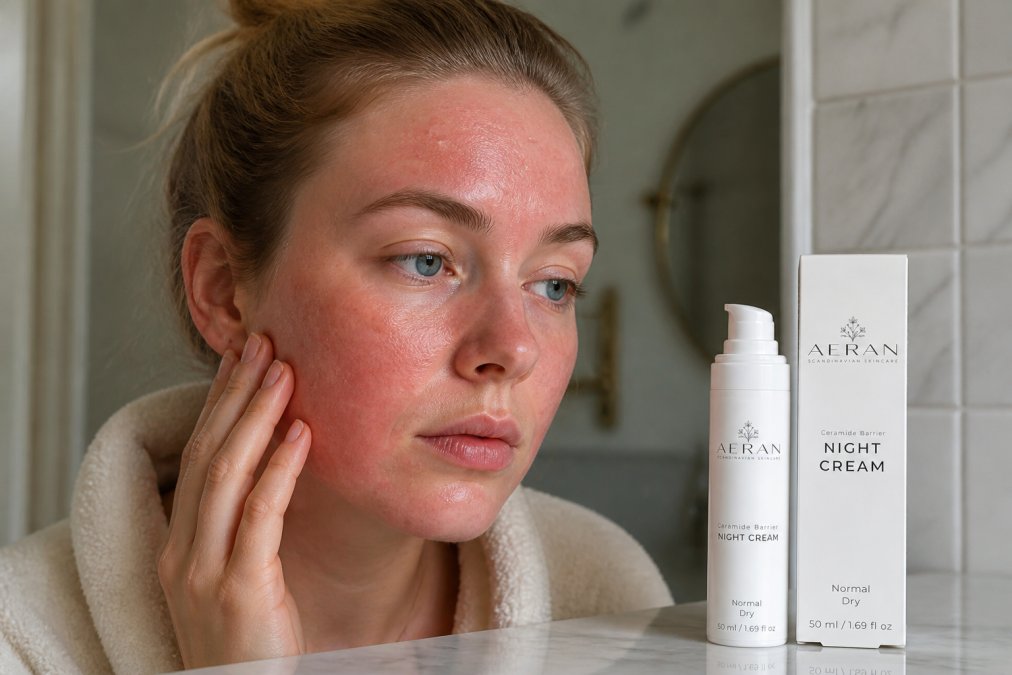
A damaged barrier differs from genetic sensitivity, it's reversible. Look for persistent redness that doesn't fade after cleansing, rough sandpapery texture, stinging when applying anything, dehydrated patches alongside oily zones, and products that previously worked now triggering burning or itching.
Best Ingredients for Skin Barrier Repair
Ceramides are non-negotiable, they make up roughly 50% of your skin barrier's structure. Look for ceramide NP, ceramide AP, and ceramide EOP.
Hyaluronic acid pulls water into the skin and holds it there, reducing visible effects of TEWL while your barrier rebuilds. Fatty acids, especially linoleic acid, support the lipid barrier directly alongside ceramides. Cholesterol completes the trio, your skin barrier needs ceramides, fatty acids, and cholesterol in roughly equal proportions.
Soothing ingredients like aloe juice and centella asiatica calm inflammation, allowing your skin to focus energy on repair rather than fighting irritation.
Avoid AHAs, BHAs, retinoids, vitamin C serums, and physical exfoliants entirely while repairing. These active ingredients disrupt your skin's surface. You can reintroduce them once your barrier is fully healed, typically 4-8 weeks in.
Aeran Skincare's approach centers on barrier-first formulation. The Ceramide Barrier Night Cream delivers ceramides and fatty acids engineered to support overnight repair, maximizing your skin's natural regeneration window during sleep.

How Long to Heal Your Skin Barrier
Most people see initial improvement within 2-3 weeks, but full repair typically requires 4-8 weeks of consistent, gentle care. Timeline depends on damage severity, skin type, and natural regeneration speed.
Don't expect perfection at week four. Your barrier will feel stable and look significantly better, but complete restoration takes the full 6-8 weeks. Consistency matters more than intensity, using a barrier repair cream every night for eight weeks beats aggressive use for three weeks then stopping.
Environmental factors slow healing. Dry climates, heating, stress, and poor sleep all impair recovery. Track progress by how your skin feels: when stinging stops, when you can apply products without immediate redness, when your skin feels hydrated without feeling oily, these signal genuine improvement.
Your Step-by-Step Repair Plan
Step 1: Stop everything except cleansing and moisturizing. Pause all actives, retinoids, AHAs, BHAs, vitamin C, and niacinamide serums for 4-8 weeks. Use only a gentle, soap-free cleanser and barrier repair cream.
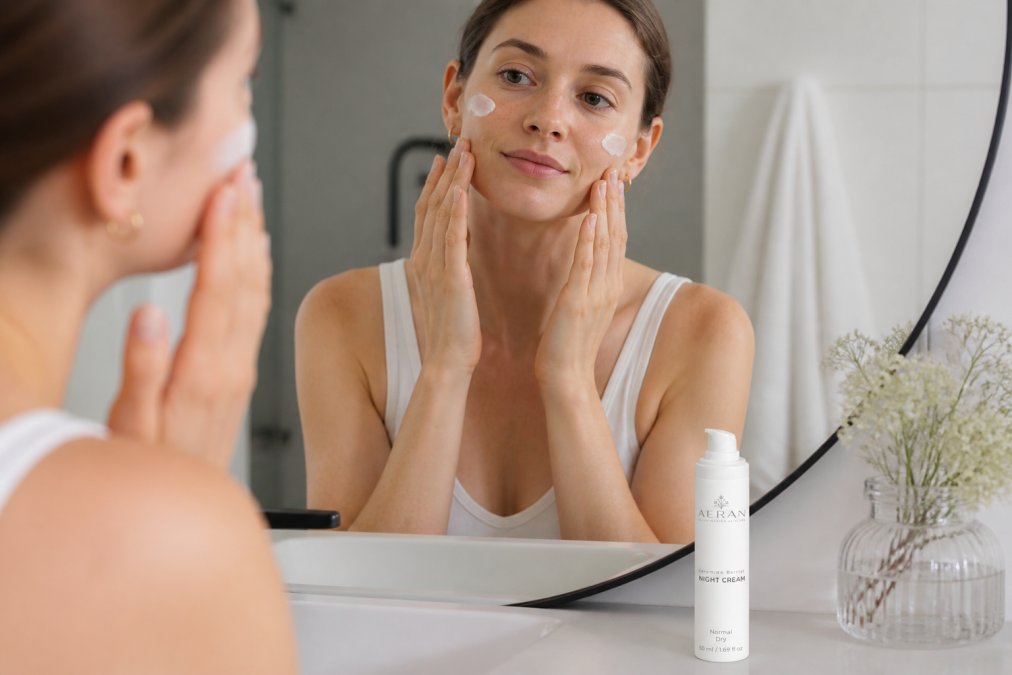
Step 2: Cleanse with lukewarm water and a pH-balanced cleanser. Hot water strips lipids; cold water shocks your skin. Use soap-free cleanser and cleanse once or twice daily maximum. If wearing makeup, use a gentle remover first.
Step 3: Apply barrier repair cream while your skin is still damp. Damp skin absorbs products better. Pat your face until barely moist, then apply repair cream morning and night without exception.
Step 4: Add a hydrating mist for midday support. If your skin feels tight during the day, the Aeran Skincare Barrier Mist refreshes your skin and rebalances pH. Spray on clean skin, let dry, then apply moisturizer.
Step 5: Use sunscreen daily, even indoors. UV exposure damages your barrier and triggers inflammation. Use broad-spectrum SPF 30 or higher, applying it last after your moisturizer has fully absorbed.
Step 6: Support your barrier from the inside. Drink adequate water (roughly half your body weight in ounces daily). Eat omega-3 rich foods (salmon, walnuts, flaxseeds). Sleep 7-9 hours nightly, your skin repairs most actively during sleep. Manage stress to reduce cortisol-triggered inflammation.
| Step | Duration | Frequency | Expected Result |
|---|---|---|---|
| Pause all actives | 4-8 weeks | Ongoing | Reduced stinging and redness |
| Gentle cleansing | Daily | 1-2x daily | Stable pH, no stripping |
| Barrier cream application | 4-8 weeks | Twice daily | Restored lipid barrier |
| Hydrating mist (optional) | 4-8 weeks | As needed | Midday hydration boost |
| Daily sunscreen | Ongoing | Every morning | UV protection, reduced inflammation |
| Internal support | Ongoing | Daily | Improved skin resilience |
When to reintroduce actives: After 6-8 weeks of consistent barrier repair, start with the gentlest active first, a low-strength retinoid or mild AHA, once per week. Gradually increase frequency as your barrier tolerates it. If stinging, redness, or barrier damage signs return, pause the active and return to your repair routine for another 2-3 weeks.
A damaged skin barrier is a clear signal that your skin needs different care. The repair process works if you're willing to be consistent for 4-8 weeks. No fancy serums, no active ingredients, no experimentation. Just clean, moisturize, protect, and wait.
Aeran Skincare's barrier-first formulations support this process without unnecessary complexity. Get started with the Ceramide Barrier Night Cream and commit to the full repair timeline.
Frequently Asked Questions
How do I know if my skin barrier is damaged?
A damaged skin barrier shows visible signs: persistent redness, tightness, stinging sensations, flaking, and increased sensitivity to products you've used before. Your skin may also feel dehydrated despite using moisturizer, or experience unexpected breakouts. These occur because your stratum corneum, your skin's protective outer layer, has micro-tears that allow moisture to escape and irritants to penetrate. If your skin reacts negatively to most products, barrier damage is likely the cause.
What's the fastest way to repair a damaged skin barrier?
Speed depends on severity, but most people see improvement in 2-4 weeks with consistent care. Use a gentle, soap-free cleanser with lukewarm water, apply ceramide-rich products immediately after cleansing, and use an occlusive moisturizer at night to lock in hydration. Avoid exfoliants, retinoids, and active ingredients during repair. Products like the Ceramide Barrier Night Cream ($36) deliver ceramides and fatty acids your skin needs while you sleep, accelerating recovery.
Which ingredients repair the skin barrier best?
Ceramides, cholesterol, and fatty acids are essential, they're the lipids that make up your barrier's structure. Hyaluronic acid draws moisture into skin, while humectants and occlusives seal it in. Niacinamide supports barrier function without irritation. Avoid AHAs, BHAs, retinoids, and vitamin C during active repair, as these increase inflammation and transepidermal water loss. The Barrier Biome Serum ($58) nourishes your skin microbiome while supporting barrier health across all skin types.
Can I use my regular skincare routine while repairing my barrier?
No. Pause exfoliants, actives, and heavy treatments until your barrier recovers (typically 2-4 weeks). Stick to gentle cleansing, hydrating serums, barrier repair creams, and sunscreen. Once redness and sensitivity fade, reintroduce products slowly, one at a time, every 3-5 days. This prevents re-damaging your newly repaired barrier. A minimalist routine during recovery gives your skin the best chance to heal.