


Effective Skincare for Redness and Irritation
Table of Contents
- Understanding Causes of Facial Redness
- Best Ingredients for Sensitive Skin
- How to Repair Damaged Skin Barrier
- Skincare Routine for Rosacea-Prone Skin
Last Updated: August 22, 2026
Understanding Causes of Facial Redness
Facial redness signals a compromised skin barrier, your skin's weakened ability to retain moisture and defend against irritants. This triggers inflammation and persistent flushing. Common culprits include over-exfoliation, harsh cleansers, environmental stressors, and fragrance or alcohol-laden products. The redness itself is often just a symptom; treating it topically without rebuilding the barrier underneath merely masks the issue.
Rosacea-prone and sensitive skin types experience vascular dilation more easily. Temperature changes, spicy foods, alcohol, and stress trigger flare-ups. Understanding your personal triggers matters as much as the products you use.
Best Ingredients for Sensitive Skin
The right ingredients calm inflammation while strengthening your skin's natural defenses. Niacinamide reduces redness by regulating sebum and supporting the skin barrier, working for both oily and sensitive skin without irritation. Azelaic acid targets rosacea by reducing vascular reactivity and calming the microbiome.
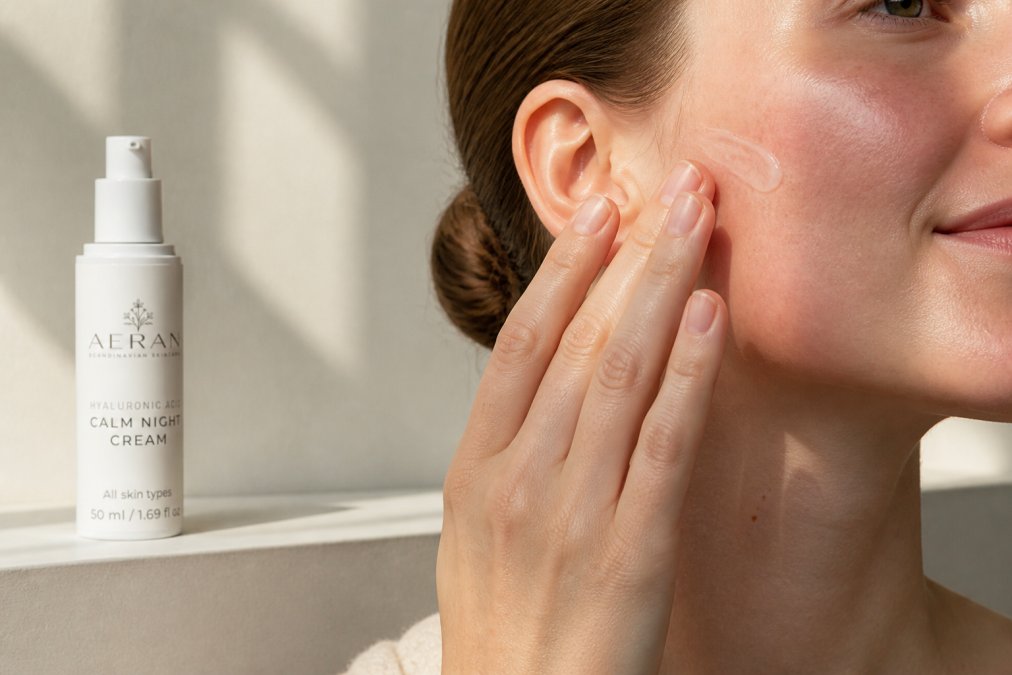
Licorice extract and allantoin soothe irritation without triggering sensitivity. Ceramides repair the moisture barrier by replenishing the lipid layer, non-negotiable for compromised skin. Hyaluronic acid binds water to skin while maintaining hydration without heaviness. Thermal spring water and bifida ferment lysate support the skin microbiome, increasingly recognized as central to barrier health.
Avoid fragrance, essential oils, high-dose retinoids, and alcohol denat, these trigger flare-ups in reactive skin. Non-comedogenic formulations prevent pore congestion while delivering hydration.
Aeran Skincare's barrier-first formulations with ceramides and clean ingredients calm redness-prone skin. The research on ceramides in dermatology shows ceramide-rich products rebuild the lipid layer more effectively than humectants alone.
How to Repair Damaged Skin Barrier
A damaged barrier shows tightness, microtears, increased sensitivity, and persistent redness. Repair takes 4 to 8 weeks for meaningful improvement, though many notice calmer skin within 2 weeks.
Start with a gentle, fragrance-free cleanser that hydrates rather than strips. Follow with a hydrating toner or essence while skin is damp to lock in hydration. Layer a serum with barrier-supporting ingredients like hyaluronic acid, then seal with a rich moisturizer containing ceramides and fatty acids. At night, use a ceramide-rich night cream to amplify your skin's natural repair process. The American Academy of Dermatology guidance on barrier repair emphasizes that occlusive moisturizers are essential for compromised skin.

Skip actives entirely while repairing, no exfoliants, vitamin C, or retinol. Once redness calms and skin feels resilient, slowly reintroduce gentler actives like niacinamide.
Patch test new products on a small area for 3-5 days before full-face application to prevent flare-ups and identify triggers.
Building an Effective Redness-Reducing Routine
A redness-reducing routine prioritizes barrier repair and anti-inflammatory support over complexity. Simplicity prevents irritation.
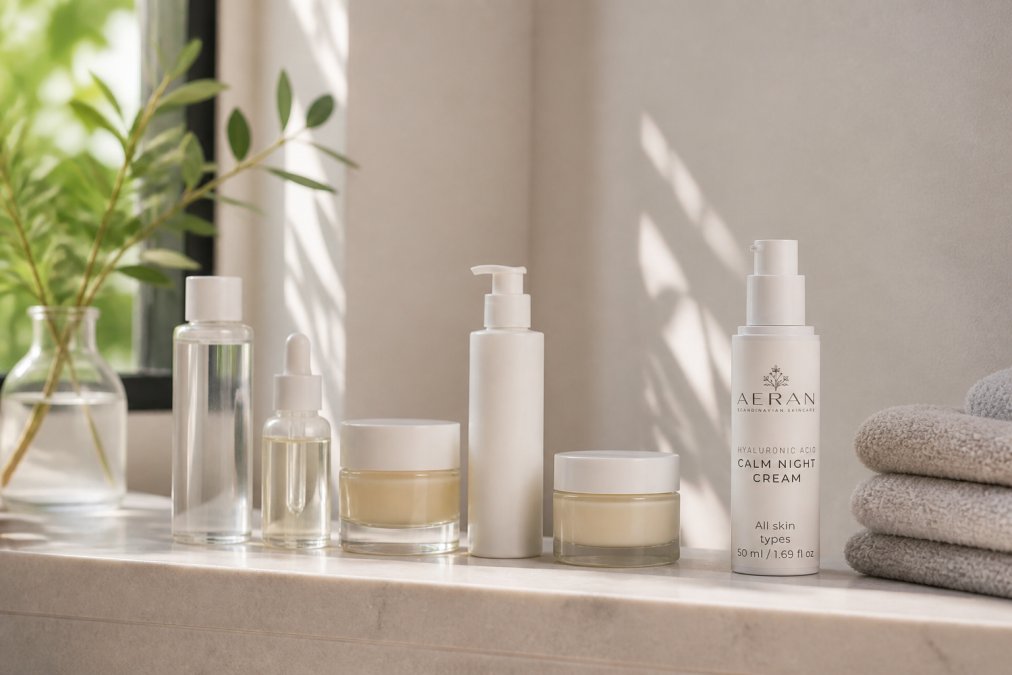
Morning Routine:
- Gentle cleanser (fragrance-free, pH-balanced)
- Hydrating toner or essence
- Barrier-supporting serum with niacinamide or hyaluronic acid
- Lightweight moisturizer with ceramides
- Broad-spectrum sunscreen (SPF 30+)
Sun protection is non-negotiable, UV exposure triggers vascular dilation and deepens redness. Mineral sunscreen is often gentler for reactive skin.
Evening Routine:
- Gentle cleanser
- Hydrating toner
- Barrier-supporting serum
- Rich night cream with ceramides and fatty acids
This approach prevents irritation while delivering core barrier-supporting ingredients. After 6-8 weeks, add gentle actives like niacinamide serum or retinol alternatives.
Consistency matters more than complexity. Using the same routine for 6 weeks reveals what works for your skin. According to dermatological research on skincare routine adherence, patients who simplified routines and stuck with barrier-first products for 8+ weeks saw sustained improvement in sensitivity and redness compared to those who rotated products frequently.
Redness is a barrier issue, not a surface problem. Aeran Skincare's barrier-first, ceramide-rich formulations address this root cause. The Ceramide Barrier Night Cream rebuilds the lipid layer while you sleep, while the Barrier Biome Serum nourishes your skin's microbiome. Start with a simplified routine, commit to 6-8 weeks, and let your barrier heal. Get started with Aeran Skincare and watch your skin transform from reactive to resilient.

Frequently Asked Questions
What helps with skin redness and irritation most effectively?
Redness typically stems from inflammation, microtears, or a compromised moisture barrier. Effective skincare for redness combines anti-inflammatory ingredients like niacinamide and azelaic acid with barrier-repair ceramides. Products containing hyaluronic acid, aloe juice, and prebiotics address both immediate irritation and underlying barrier damage. Fragrance-free, pH-balanced formulas minimize further irritation. Consistency matters: using the same calming routine twice daily for 2-3 weeks shows visible improvement in most cases.
How do I know if my skin barrier is damaged, and can it cause redness?
A damaged skin barrier shows signs like persistent redness, tight or uncomfortable skin, increased sensitivity, and flare-ups after using products that previously worked. Yes, barrier damage directly causes redness because the skin loses its ability to retain moisture and defend against irritants. When lipids and ceramides deplete, vascular dilation increases, creating visible erythema. Repairing the barrier with ceramide-rich moisturizers, gentle cleansing, and microbiome-supporting serums can resolve redness within weeks as the barrier rebuilds its protective function.
What ingredients should I avoid if my skin is prone to redness?
Avoid fragrance, essential oils, high-concentration acids, sulfates, and alcohol-based products if you have redness-prone skin. These strip the moisture barrier and trigger flare-ups. Skip physical exfoliants and limit chemical exfoliants to once weekly at most. Steer clear of products with high pH or those containing dyes and synthetic colorants. Instead, patch-test new products on your inner arm for 24-48 hours before applying to your face. Choose non-comedogenic, hypoallergenic formulas specifically labeled for sensitive skin.