


How Long to Repair a Compromised Skin Barrier
Table of Contents
- Signs of a Damaged Skin Barrier
- Timeline: How Long to Repair a Compromised Skin Barrier
- Skincare Routine for Damaged Skin Barrier Recovery
- How Long to Heal Over-Exfoliated Skin
- Frequently Asked Questions
Last Updated: September 2, 2026
Signs of a Damaged Skin Barrier
Your skin barrier is the outermost layer of your epidermis, made up of lipids, ceramides, and proteins that work together to protect against environmental stressors and retain moisture. When this barrier breaks down, you'll notice visible signs almost immediately. Tightness, redness, flaking, and persistent itching are the most common indicators that your barrier is compromised.
The stratum corneum, your skin's protective outer layer, becomes reactive when ceramides and lipid content drop. This triggers transepidermal water loss, which means moisture escapes faster than your skin can replenish it. You might also experience increased sensitivity to products that normally feel fine, a sensation of rawness, or a tight feeling that no amount of moisturizer seems to ease.
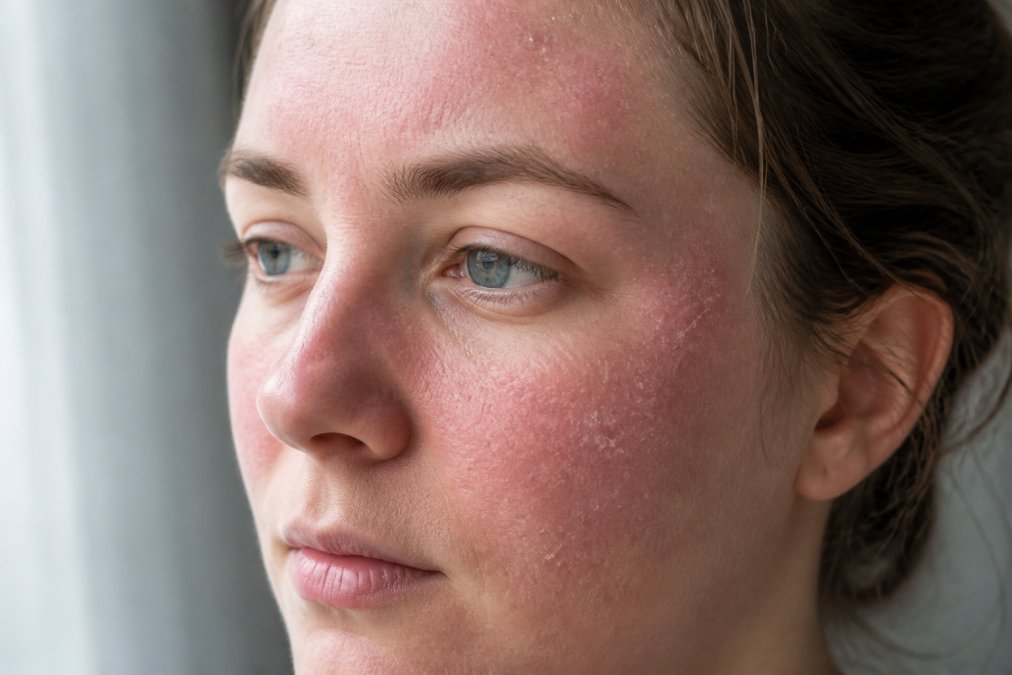
Common causes include over-exfoliation, using harsh actives too frequently, exposure to extreme temperatures, or switching products too rapidly. If your skin feels reactive, looks inflamed, or stings when you apply even gentle products, your barrier likely needs repair.
Timeline: How Long to Repair a Compromised Skin Barrier
How long does it take to repair a compromised skin barrier? Most people see noticeable improvement within 2-4 weeks of consistent, targeted care (peer-reviewed research). Complete recovery typically takes 4-8 weeks, though this varies based on severity and your skin type.
The timeline depends on several factors. Mild barrier damage might heal in 14-21 days with proper support. Moderate damage, where you've over-exfoliated or used too many actives, usually requires 4-6 weeks. Severe barrier compromise from prolonged irritation or harsh treatments can take 8-12 weeks or longer.
Your skin's natural cell turnover cycle plays a role here. The epidermis regenerates roughly every 28 days, but a compromised barrier accelerates this process unevenly, creating visible flaking and sensitivity (peer-reviewed research). During weeks 1-2, focus on stabilization. Weeks 3-4 show reduced redness and tightness. By week 6-8, you should notice improved hydration and resilience.
Recovery also depends on whether you stop the irritating behavior. If you continue over-exfoliating or using irritating ingredients while trying to repair your barrier, healing stalls. Consistency matters more than intensity, gentle daily care beats aggressive weekly treatments.
Skincare Routine for Damaged Skin Barrier Recovery
A repair routine strips away everything unnecessary and focuses on three core steps: cleanse gently, hydrate deeply, and protect with occlusives.
Cleanse with a pH-balanced formula. Use a mild, fragrance-free cleanser that doesn't strip your skin. Avoid sulfates and physical exfoliants entirely during recovery. Lukewarm water is better than hot, which can further damage barrier integrity (the American Academy of Dermatology). Cleanse twice daily but keep it brief, no more than 30 seconds.
Apply hydrating serums next. Look for products containing hyaluronic acid and prebiotics that support your skin microbiome. The Barrier Biome Serum from Aeran Skincare delivers both in a lightweight formula designed specifically for reactive skin. Apply to damp skin to maximize absorption. This step restores hydration without heaviness.

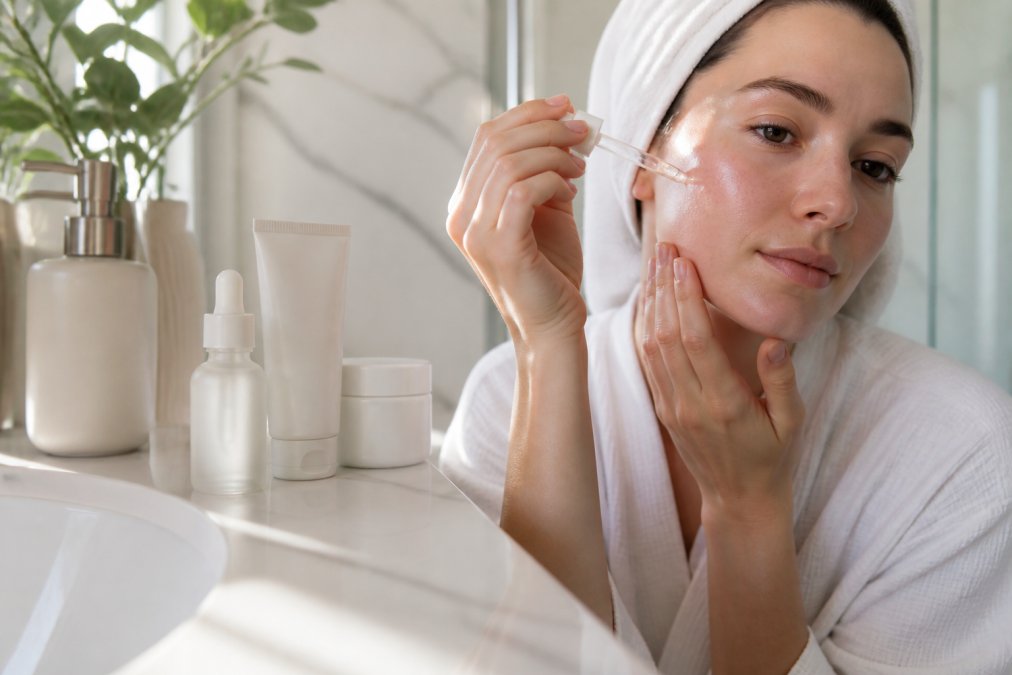
Seal with a ceramide-rich moisturizer. This is non-negotiable. Ceramides rebuild the lipid barrier that's been compromised. The Ceramide Barrier Night Cream provides ceramides, fatty acids, and aloe juice to repair while you sleep. Apply to still-damp skin to lock in hydration. This occlusive step prevents transepidermal water loss.
Skip actives entirely during recovery, no retinoids, vitamin C, AHAs, or BHAs. Even "gentle" exfoliants will slow healing. Once your barrier shows signs of resilience (reduced sensitivity, no more tightness), you can reintroduce one active at a time, slowly.
How Long to Heal Over-Exfoliated Skin
Over-exfoliation is the fastest way to damage your barrier, and it's also one of the most common mistakes. If you've been using exfoliating acids, physical scrubs, or retinoids too frequently, your skin barrier is likely severely compromised.
Healing over-exfoliated skin takes longer than mild barrier damage, typically 6-12 weeks depending on severity. The first week is critical: stop all exfoliation immediately. Your skin needs a break from everything abrasive. Many people make the mistake of continuing light exfoliation "to remove flaking," which only extends recovery time.
Focus on barrier repair for the first 4-6 weeks. Once sensitivity decreases and your skin feels less reactive, you can slowly reintroduce exfoliation, but at a much lower frequency. Instead of exfoliating 3-4 times weekly, start with once every 10-14 days. Build back gradually over several weeks.
The psychological impact of over-exfoliated skin shouldn't be underestimated. Visible flaking, redness, and sensitivity can feel frustrating when you were trying to improve your skin. Patience is essential. Consistency in a repair routine delivers results faster than any single product.
Frequently Asked Questions
How do I know if my damaged skin barrier is healing?
Healing signs appear within 1-2 weeks: reduced redness and sensitivity, less flaking and tightness, improved hydration, and a smoother texture. Your skin will feel less reactive to products and environmental stressors. If you notice these changes, you're on the right track. Full recovery takes 2-4 weeks, but visible improvement often starts sooner with consistent care using barrier-supporting products like ceramides and hyaluronic acid.
Can over-exfoliation cause a long-term skin barrier issue?
Yes, over-exfoliation damages the stratum corneum and lipid barrier, increasing transepidermal water loss and inflammation. Most cases heal within 2-4 weeks with proper care, but severe damage may take 4-6 weeks. The key is stopping exfoliation immediately and using hydrating, occlusive products with ceramides. Avoid harsh treatments, actives like retinoids, and further irritation during recovery. Consistent barrier repair prevents permanent sensitivity.
What is the fastest way to heal a damaged skin barrier?
Speed up recovery by: stopping all exfoliants and active ingredients immediately, using a minimalist routine with only cleanser and moisturizer, applying ceramide-rich products twice daily, staying hydrated internally, and protecting your skin from environmental stressors. Products containing ceramides, hyaluronic acid, and prebiotics support the microbiome and restore lipid barrier function. Most people see significant improvement within 2 weeks with this focused approach.
Repairing a compromised skin barrier requires patience and a minimalist approach. Aeran Skincare's barrier-first formulations, including the Ceramide Barrier Night Cream and Barrier Biome Serum, are specifically designed to support this recovery process with clean, Scandinavian-formulated ingredients. Get started with a focused repair routine and give your skin the time it needs to rebuild resilience.