


How to Choose a Moisturizer for Dry Skin
Table of Contents
- How to Tell if You Have Dry vs Dehydrated Skin
- Best Ingredients for Dry Skin and How They Work
- When to Apply Moisturizer for Maximum Absorption
- Choosing the Right Moisturizer for Dry Skin: Lotion, Cream, or Ointment
Last Updated: August 26, 2026
How to Tell if You Have Dry vs Dehydrated Skin
Dry skin is a skin type where your skin naturally produces less oil (the American Academy of Dermatology). Dehydrated skin is a condition where your skin lacks water, regardless of oil production. You could have oily skin that's also dehydrated. Understanding which you have matters because the fix differs for each.
Dry skin feels tight, flaky, and rough with visible scaling. Dehydrated skin feels dull and uncomfortable but may not show obvious flaking; it can even feel slightly sticky as dehydrated skin sometimes overproduces oil to compensate.
Pinch the skin on your cheek gently. If it feels papery and doesn't bounce back quickly, you're dealing with dryness. If it feels tight but appears oily or congested, dehydration is the culprit. This distinction determines whether you need an occlusive moisturizer that seals in moisture or a humectant-rich formula that pulls water into the skin.
Best Ingredients for Dry Skin and How They Work
Three ingredient categories repair and protect dry skin: humectants, emollients, and occlusives.
Humectants like hyaluronic acid and glycerin draw water into the skin. Emollients such as shea butter and plant oils smooth the skin surface and fill gaps between cells. Occlusives like petrolatum and ceramides seal the skin barrier, preventing transepidermal water loss.

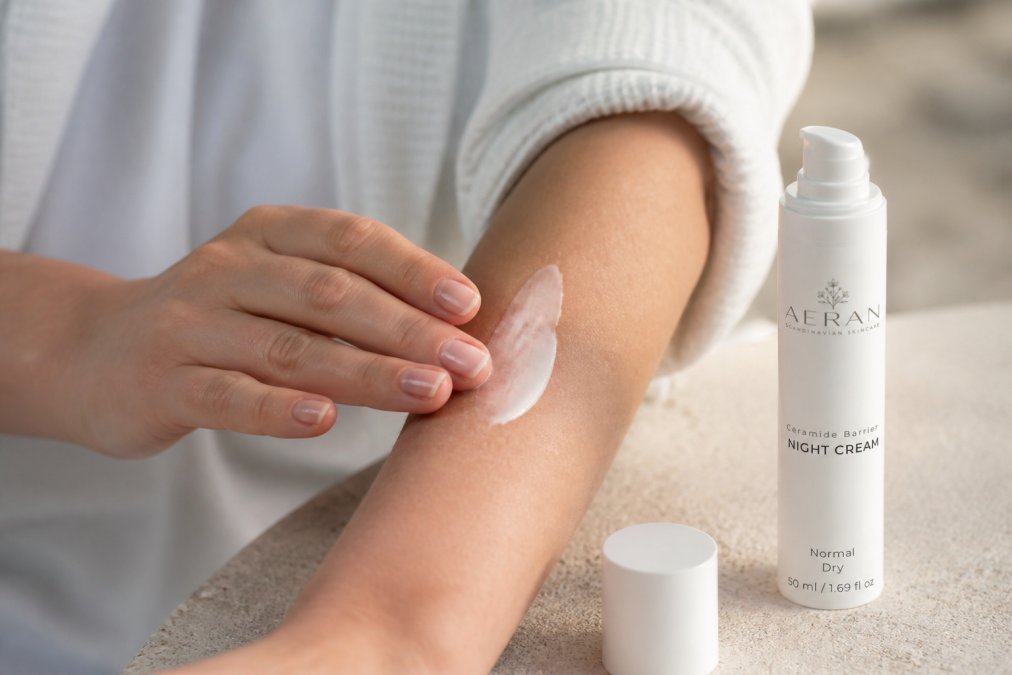
For dry skin, ceramides are essential. Your skin barrier contains ceramides naturally, but dry skin loses them constantly. Replenishing ceramides restores the lipid barrier that holds moisture in. Look for products that list ceramides in the first five ingredients. Hyaluronic acid works best when applied to damp skin, so apply it to skin still slightly wet from cleansing, then follow with an occlusive to seal it in.
The common mistake is using only humectants. Hyaluronic acid alone won't fix dry skin if your barrier is compromised. You need all three: humectant to hydrate, emollient to smooth, occlusive to protect.
When to Apply Moisturizer for Maximum Absorption
Apply your moisturizer within 60 seconds of cleansing, while your skin is still slightly damp (the American Academy of Dermatology). Damp skin allows humectants to work more effectively because there's already moisture present for them to bind to.
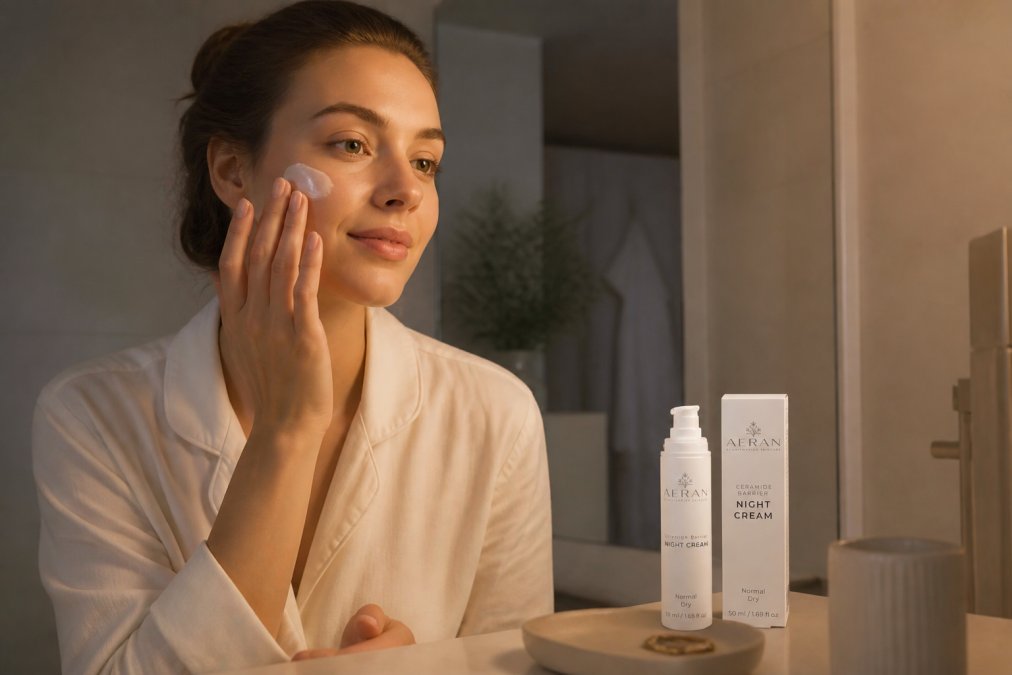
In the morning, use a lighter moisturizer with hyaluronic acid and a small amount of occlusive. At night, use a richer cream or ointment since your skin barrier repairs itself during sleep. Apply thinner products first, then seal with something richer to prevent pilling and ensure proper absorption.
Choosing the Right Moisturizer for Dry Skin: Lotion, Cream, or Ointment
Lotion, cream, and ointment refer to texture and concentration of active ingredients. Lotions are water-based and lightweight, creams are thicker with more oil content, and ointments are the most occlusive.
For dry skin, lotions alone rarely suffice. Creams strike the balance most people need, rich enough to repair the barrier but not so heavy that they feel greasy. For severely compromised skin or very dry climates, an ointment at night delivers better results.
Fragrance-free and hypoallergenic formulas matter for sensitive, dry skin. Fragrance irritates compromised barriers and can trigger inflammation. Hypoallergenic products minimize common irritants, though patch testing is still essential.
According to dermatological research on skin barrier function, a moisturizer for dry skin should contain ceramides, cholesterol, and fatty acids in a ratio close to what your skin naturally produces. The Aeran Skincare Ceramide Barrier Night Cream delivers this combination, designed for compromised barriers with hyaluronic acid for hydration and petrolatum to seal moisture in.

Choosing a moisturizer for dry skin means understanding your skin type, identifying the right ingredients, and matching the texture to your routine. Dry skin responds best to products with ceramides, humectants, and occlusives working together. Start with a cream texture, then adjust based on how your skin responds. If irritation persists after two weeks, consult a dermatologist for prescription-strength options. With Aeran Skincare's barrier-first formulations, you get clean ingredients and ceramides proven to support compromised skin without irritation.
Frequently Asked Questions
What ingredients should I look for in a moisturizer for dry skin?
Look for humectants like hyaluronic acid and glycerin, which draw water into the skin. Pair these with emollients such as shea butter and ceramides to seal moisture in. Occlusives like petrolatum create a protective barrier. Ceramides are especially important for dry skin because they restore the lipid barrier that keeps water from escaping. Avoid fragrances and alcohol, which can further dehydrate sensitive skin.
Should I use a cream or lotion for dry skin?
Creams are generally better for dry skin than lotions. Creams contain more emollients and occlusives, creating a thicker barrier that locks in moisture. Lotions have higher water content and evaporate faster, making them less effective for very dry skin. If your skin is extremely dry or your barrier is compromised, a heavier cream or ointment will provide stronger protection and hydration than a lightweight lotion.
How do I know if a moisturizer for dry skin will work for my sensitive skin?
Always patch test new products on a small area of skin (behind your ear or inner arm) for 24-48 hours before applying to your face. Look for fragrance-free, hypoallergenic options specifically formulated for sensitive skin. Check that the product is free of common irritants like alcohol and synthetic fragrances. Products with ceramides and aloe juice tend to be gentler while still delivering hydration and barrier repair without triggering irritation.