


Is Expensive Skincare Worth the Price?
Table of Contents
- What Actually Justifies Expensive Skincare
- Skincare Ingredients That Actually Work
- How to Build a Skincare Routine on a Budget
- When to Splurge vs. When to Save
Last Updated: August 24, 2026
What Actually Justifies Expensive Skincare
Expensive skincare worth the investment comes down to a few concrete factors that drugstore options typically skip.
The first is formulation complexity. High-end products use advanced delivery systems, stabilized active ingredients, and carefully calibrated pH balances that cost more to develop and manufacture. A ceramide-rich moisturizer is a precise emulsion that keeps barrier-repairing ingredients stable and effective.
The second is ingredient concentration. According to the FDA's guidance on cosmetic ingredient labeling, manufacturers must list ingredients by concentration in descending order. Expensive formulations typically contain higher concentrations of active ingredients like niacinamide, hyaluronic acid, or retinol alternatives. A serum with 5% niacinamide will outperform one with 1%.

The third is research and testing. Luxury brands invest in dermatological testing, stability studies, and clinical trials to back their claims. When a brand claims their formulation reduces fine lines, they're often backing it with actual data.
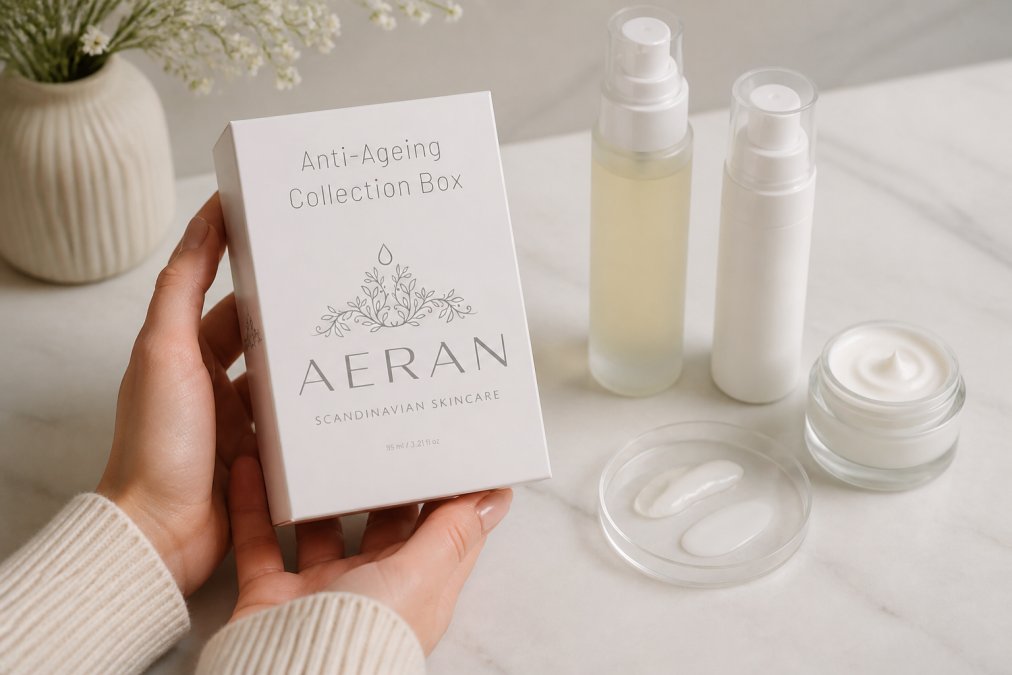
Aeran Skincare invests in Scandinavian formulation science and barrier-first research specifically for sensitive and compromised skin. That commitment to formulation depth, not just packaging aesthetics, separates expensive skincare worth buying from expensive skincare that's merely expensive.
Skincare Ingredients That Actually Work
Niacinamide (vitamin B3) reduces inflammation, strengthens the skin barrier, and minimizes pore appearance across all skin types (PubMed). The difference between products is concentration and formulation stability.
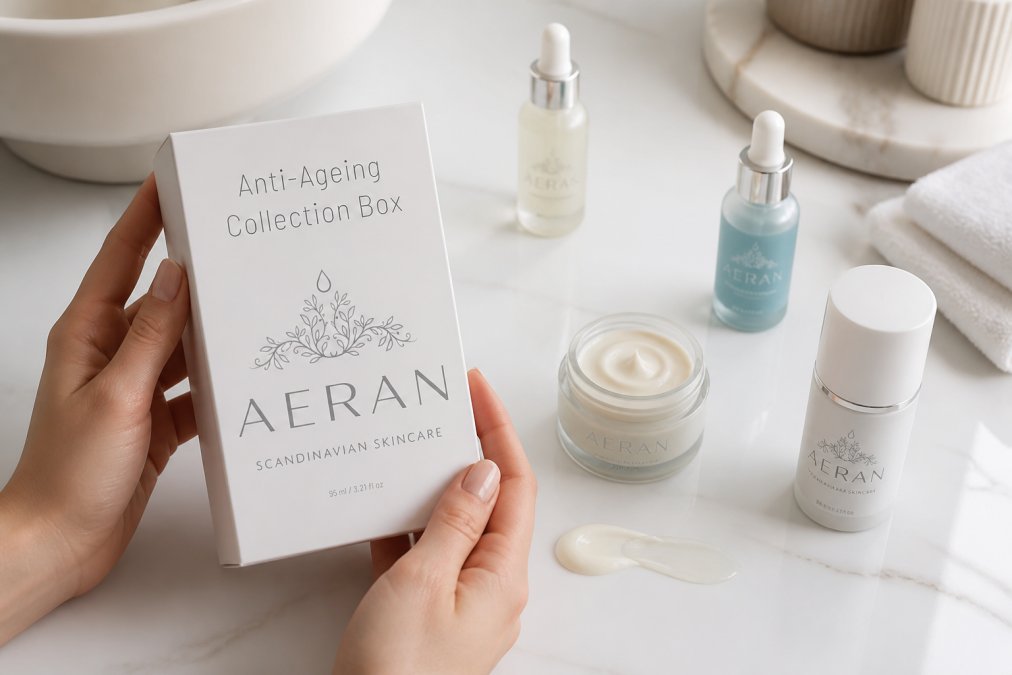
Hyaluronic acid holds up to 1,000 times its weight in water, genuinely hydrating skin when properly formulated (peer-reviewed research). It only works if your skin barrier is functional enough to retain that moisture.
Ceramides are lipid molecules that repair the skin barrier. Expensive skincare often contains multiple ceramide types (ceramide NP, AP, EOP) in meaningful concentrations because that's what clinical efficacy requires.
Retinol alternatives like Bidens Pilosa extract deliver visible wrinkle reduction without the redness and irritation traditional retinol causes. These are more expensive to source and more stable in formulation, which is why you see them in premium lines.

Expensive skincare worth the price uses ingredients that require higher concentrations to work, need advanced delivery systems to remain stable, or are genuinely more effective than budget alternatives.
How to Build a Skincare Routine on a Budget
Start with a gentle cleanser. This is not where you splurge, a basic cleanser removes dirt and oil as effectively as an expensive one. Save your budget for actives.
Second, identify your one main concern: barrier repair, fine lines, or oil control. Buy one product that addresses that directly. If your barrier is compromised, a ceramide-rich moisturizer matters more than a fancy serum.
Third, add sunscreen. This is non-negotiable and doesn't need to be expensive. SPF 30 from a budget brand protects your skin the same way a luxury version does.
Most people see better results from a focused routine with three to four products targeting their skin's needs than from a bloated routine with mediocre ones.
When to Splurge vs. When to Save
Splurge on actives, ingredients that produce visible change like retinol alternatives, niacinamide, or ceramides. This is where expensive skincare worth the investment lives. The Renewal Serum from Aeran Skincare at $35 uses a clinically studied Bidens Pilosa extract that delivers retinol-like results without irritation.

Save on cleansers, toners, and essences. A $5 cleanser and a $30 active serum will outperform a $30 cleanser and a $5 serum every time.
Save on packaging and marketing. Luxury brands spend heavily on aesthetics. If you're paying for a glass bottle and minimalist design, that's branding, not skincare value.
Splurge on products for compromised or sensitive skin. These formulations require more careful ingredient selection, stability testing, and quality control.
A $50 serum lasting three months costs about $0.55 per application. If it delivers visible results while a cheaper alternative doesn't, the expensive version is the better value.
Expensive skincare worth buying isn't about the price, it's about what you're actually getting. Higher concentrations of proven actives, advanced delivery systems, and genuine clinical backing justify premium pricing. Focus your budget on active ingredients that address your specific concern, and save on support products. Brands that invest in formulation science over marketing tend to deliver results that make the price feel reasonable.
Frequently Asked Questions
Q: Does expensive skincare really make a difference?
Quality matters more than price alone. Expensive skincare can deliver results if it contains clinically studied active ingredients, proper concentrations, and stable formulations that penetrate the skin barrier effectively. However, cost doesn't guarantee efficacy. A serum with proven actives like niacinamide or hyaluronic acid may outperform a cream with minimal active ingredients. The difference lies in formulation science, ingredient potency, and delivery systems, not the price tag itself.
Q: What skincare ingredients are actually worth the investment?
Invest in products containing clinically proven actives: retinol alternatives like Bidens Pilosa extract for wrinkle reduction, niacinamide for barrier repair and pore refinement, hyaluronic acid for hydration, ceramides for compromised skin, and exosomes for skin renewal. These ingredients have clinical efficacy data backing their results. Budget-friendly options exist for some actives, but advanced delivery systems and high concentrations justify premium pricing. Focus spending on serums and treatments where active ingredient concentration matters most.
Q: How can you tell if a skincare product is high quality?
Read the ingredient label carefully. High-quality products list active ingredients early in the formulation, use stabilized delivery systems to ensure bioavailability, and include supporting ingredients like preservative systems and pH balancers. Look for products with dermatological testing data or clinical trial results. Fragrance-free, clean formulations often signal quality focus. Barrier-first products that support skin health rather than just masking problems indicate professional-grade formulation. Check if the brand provides transparency about sourcing and manufacturing standards.