


Lightweight Moisturizer for Oily Skin: A How-To Guide
Table of Contents
- Why Lightweight Moisturizer for Oily Skin Matters
- Non-Comedogenic Moisturizer for Oily Skin: What to Look For
- Ingredients to Avoid for Oily Skin
- How to Layer Skincare for Oily Skin
Last Updated: August 16, 2026
Why Lightweight Moisturizer for Oily Skin Matters
Your skin produces sebum to protect and hydrate, but overproduction leaves you with a dilemma: skip moisturizer and risk dehydration, or apply it and watch your skin turn greasy by noon.
The real problem isn't that oily skin doesn't need hydration, it's that most moisturizers are formulated for dry skin, making them too heavy and occlusive. A lightweight moisturizer for oily skin delivers hydration without grease. According to dermatology research on skin barrier function, even oily skin needs proper hydration to maintain a healthy barrier; skipping moisturizer often makes oil production worse.

Aeran Skincare's barrier-first approach makes a difference. Formulated with ceramides and clean ingredients, their products support oily and sensitive skin without heaviness. The goal is balance, where hydration and oil control coexist.
Below, we'll walk you through what to look for in a lightweight moisturizer for oily skin, which ingredients work, and how to layer your routine so nothing feels greasy.
Non-Comedogenic Moisturizer for Oily Skin: What to Look For
A non-comedogenic moisturizer for oily skin must hydrate without blocking pores. Texture, formulation type, and ingredient selection all matter equally.
The best lightweight moisturizers come in gel-cream or water-based formulas. These absorb quickly, leave a satin finish, and don't seal your skin. Look for products labeled "oil-free" and "non-comedogenic", these terms aren't just marketing. Non-comedogenic means the formula has been tested to avoid clogging pores.
Key ingredients include hyaluronic acid (a humectant that draws water into skin without adding oil), niacinamide (which regulates sebum and calms irritation), and ceramides (which repair the skin barrier without heaviness). Water-based emulsions absorb faster than oil-based creams and leave less residue.
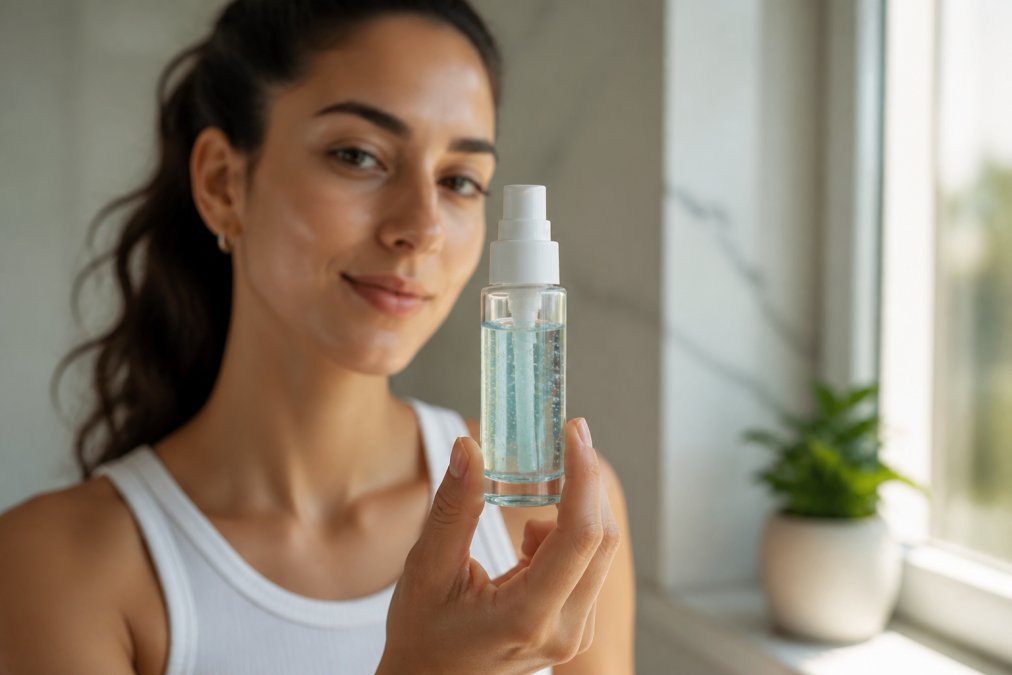
Texture matters more than you'd think. If a moisturizer feels tacky or leaves a film after 30 seconds, it's too heavy. The right product should absorb within seconds and feel weightless. Matte or satin finishes are ideal; dewy or glossy finishes often signal excess oil or occlusive ingredients.
Aeran Skincare's Retinol Alternative Moisturiser delivers hydration with a lightweight feel, combining barrier support through ceramides with a formula that won't aggravate oily or combination skin. At $23.75, it addresses multiple concerns without greasiness.
Ingredients to Avoid for Oily Skin
Knowing what to skip is as important as knowing what to seek out.
Avoid heavy occlusives like mineral oil, petrolatum, and dimethicone in high concentrations. These create a barrier that traps moisture and clogs pores. Silicones in large amounts can trap bacteria and sebum, leading to breakouts. Rich butters like shea butter and cocoa butter are too occlusive for oily skin.
Fragrance and essential oils can trigger irritation, increase oil production as a defensive response, and destabilize your skin barrier. Look for fragrance-free formulas. Aeran Skincare's Sensitive Skin Overnight Cream, Fragrance-Free ($28.95) skips unnecessary irritants while supporting barrier repair.

Avoid high concentrations of alcohols (like denat alcohol), which strip skin temporarily but trigger rebound oil production. Your skin overcompensates by producing more sebum, making the problem worse long-term.
How to Layer Skincare for Oily Skin
Layering skincare for oily skin requires a specific order and restraint. More products don't equal better results, and the wrong sequence can trap oils and ingredients against your skin.
Start with a water-based or gel cleanser to remove oil and impurities without stripping. If you use a toner or essence, apply it while skin is still slightly damp to help hydration penetrate deeper. Toners designed for oily skin are typically lightweight and alcohol-free.
Next comes any active treatments: serums with niacinamide, hyaluronic acid, or vitamin C. Apply these to clean, damp skin and let them absorb for 30-60 seconds. A dime-sized amount is usually enough for your entire face.
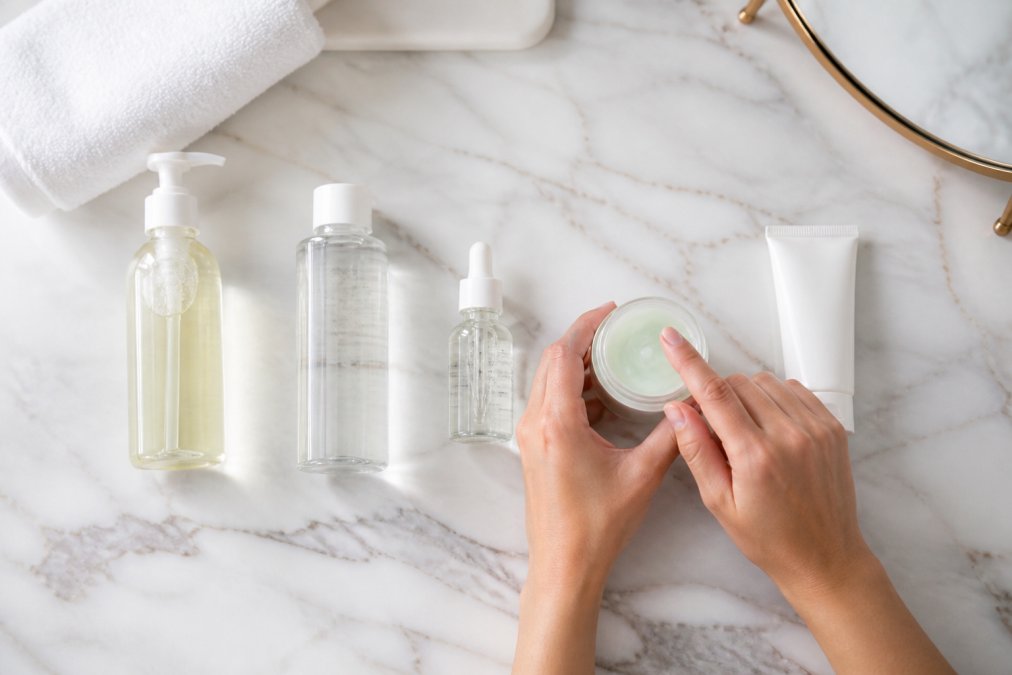
Apply your lightweight moisturizer to damp skin; residual moisture helps it absorb faster and spread evenly. Use a light hand, two to three pumps or a pea-sized amount is usually sufficient. Pat gently instead of rubbing to ensure even distribution.
If you're using a retinol alternative or anti-aging treatment, apply it before your moisturizer. The lightweight formula then seals it in without adding excess weight. Morning routines should end with broad-spectrum SPF 30 or higher, using a lightweight, oil-free sunscreen formulated for oily skin.
The key principle: thinnest to thickest. Water-based products first, then lightweight gels and serums, then your moisturizer, then any occlusive final step. This order prevents pilling, ensures absorption, and keeps your skin from feeling heavy.
Balancing hydration with oil control isn't about choosing one or the other, it's about choosing products formulated for both. A lightweight moisturizer for oily skin, paired with the right supporting ingredients and layering technique, delivers the hydration your barrier needs without greasiness. Start with a non-comedogenic, water-based formula containing ceramides and niacinamide, layer it properly, and give your routine at least two weeks before assessing results. Aeran Skincare's barrier-first formulations are specifically designed to support this balance, delivering visible results for oily and combination skin types without compromise.
| Layering Step | Product Type | Best For Oily Skin |
|---|---|---|
| Cleanse | Water-based gel cleanser | Removes oil without stripping |
| Tone | Lightweight alcohol-free toner | Preps skin for absorption |
| Treat | Niacinamide or hyaluronic acid serum | Targets specific concerns |
| Moisturize | Gel-cream or water-based formula | Hydrates without heaviness |
| Protect | Oil-free broad-spectrum SPF | Shields without added shine |
Frequently Asked Questions
Are lightweight moisturizers good for oily skin?
Yes. Lightweight moisturizers designed for oily skin provide hydration without excess oil, using water-based or gel-cream formulas that absorb quickly. The key is choosing non-comedogenic options with ingredients like hyaluronic acid and niacinamide that support your skin barrier without clogging pores. Proper hydration actually helps regulate sebum production, reducing shine over time.
What ingredients should I look for in a lightweight moisturizer for oily skin?
Look for hyaluronic acid for hydration, niacinamide for sebum regulation, ceramides for barrier repair, and glycerin as a humectant. Water-based and gel-cream textures absorb faster than heavy creams. Avoid occlusive ingredients like mineral oil or lanolin, which can trap moisture and increase shine. Non-comedogenic formulas are essential to prevent breakouts.
How should I layer a lightweight moisturizer with other products for oily skin?
Apply products from thinnest to thickest consistency: cleanser, toner, serums, then lightweight moisturizer. Use a pea-sized amount of moisturizer and press it gently into damp skin rather than rubbing. If using sunscreen, apply it last. This layering method ensures each product absorbs fully and prevents the heavy, greasy feeling that overloading your skin can create.
Can a lightweight moisturizer actually help with fine lines and oily skin?
Yes. A properly hydrated skin barrier functions better and appears smoother, reducing the appearance of fine lines. Look for lightweight formulas with barrier-supporting ingredients like ceramides and gentle alternatives to retinol that won't over-dry your skin. The Retinol Alternative Moisturiser ($23.75) is designed to address anti-aging concerns without irritation or excess oil buildup.