
Sensitive Skin Moisturizer for Dry Climate
Table of Contents
- What to Look for in a Sensitive Skin Moisturizer for Dry Climate
- Humectants vs Occlusives for Sensitive Skin
- Best Skincare for Redness and Irritation
- How to Repair Skin Barrier in Dry Climate
What to Look for in a Sensitive Skin Moisturizer for Dry Climate
A sensitive skin moisturizer for dry climate must repair your compromised lipid barrier, deliver sustained hydration without irritation, and protect against environmental stressors. Look for three pillars: humectants that pull moisture in, emollients that smooth the skin surface, and occlusives that lock everything down. Ceramides are essential building blocks of your skin barrier. Hyaluronic acid can hold up to 1000 times its weight in water (peer-reviewed research). Fragrance must go, fragrance-free formulations eliminate a major irritation trigger.
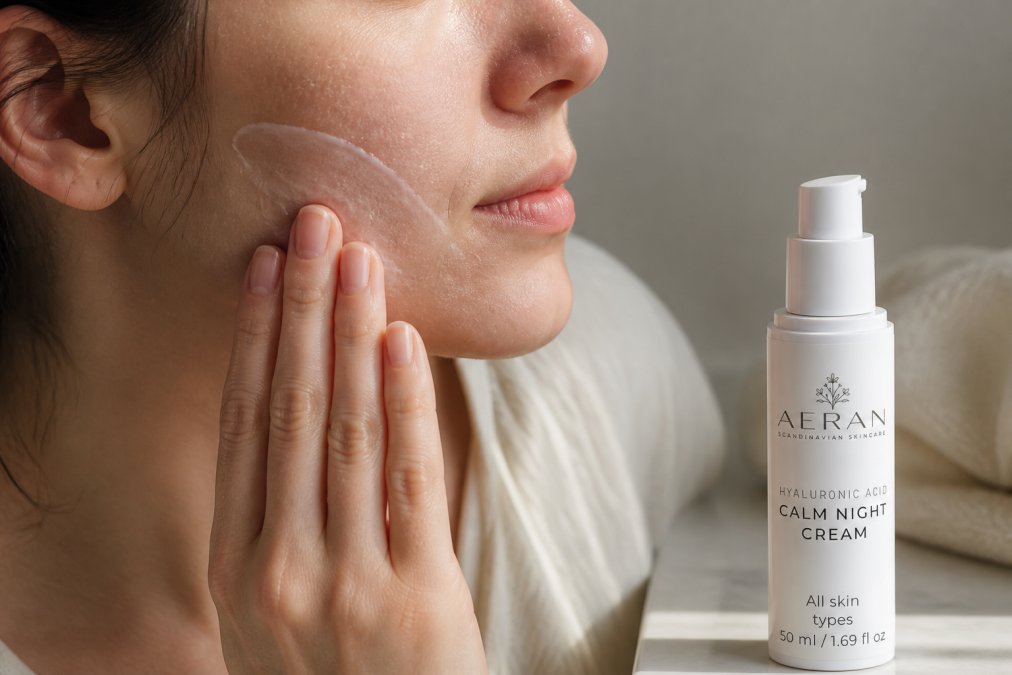
Avoid common irritants: alcohol, synthetic fragrances, essential oils, and heavy silicones that trap bacteria. Choose non-comedogenic formulas that won't clog pores despite their richness.
Humectants vs Occlusives for Sensitive Skin
Humectants like hyaluronic acid, glycerin, and sorbitol pull water into your epidermis but can backfire in dry climates, pulling water from deeper layers only to let it evaporate. Occlusives like petrolatum, ceramides, shea butter, and argan oil seal moisture in and prevent transepidermal water loss.
For sensitive skin in dry climates, layer both: apply humectant-rich products to damp skin first, then layer an occlusive moisturizer while skin is still moist. Aeran Skincare combines both categories. The Ceramide Barrier Night Cream ($36.00) layers ceramides with hyaluronic acid for immediate occlusion plus deep hydration. The HA Day Cream ($22.75) uses multi-molecular-weight hyaluronic acid paired with shea butter, light enough for makeup, occlusive enough to hold moisture through the day.

Best Skincare for Redness and Irritation
Redness and irritation signal a compromised barrier. The solution is to calm it down and rebuild it with soothing ingredients and barrier-repair actives. Aloe juice reduces inflammation (peer-reviewed research). Marine algae provides nutrients supporting skin resilience. But you also need ceramides and fatty acids to repair the damage causing redness.
Fragrance-free is non-negotiable. Calm Night Cream from Aeran Skincare ($28.95) combines aloe juice and hyaluronic acid with marine algae, all fragrance-free, designed to work overnight when your skin's renewal process is most active. When redness flares, strip your routine to essentials: a gentle cleanser, a hydrating toner, and a barrier-repair moisturizer.

How to Repair Skin Barrier in Dry Climate
Your skin barrier is your first line of defense. In a dry climate, it requires consistency and the right ingredients to repair.
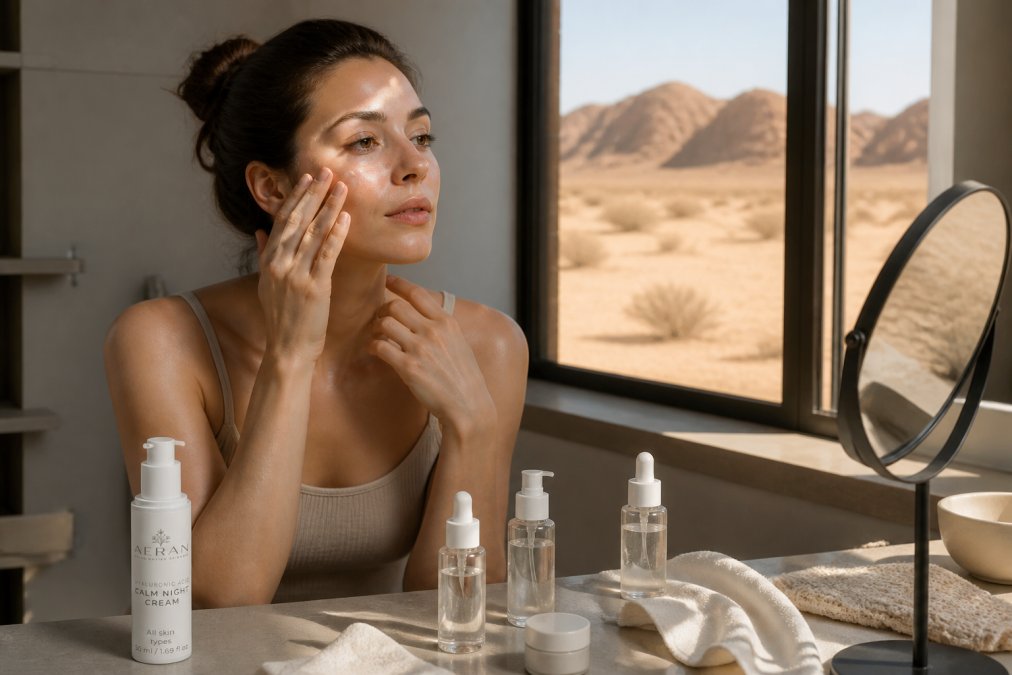
Start with hydration. Use a pH-balanced toner like Aeran's Rose Toner ($25.75) immediately after cleansing. This restores your skin's natural pH and preps it to absorb following products. Layer a serum next. The Barrier Biome Serum ($58.00) contains prebiotics that feed beneficial skin bacteria, your microbiome is part of your barrier function. Finish with a ceramide-rich moisturizer. The Ceramide Barrier Night Cream delivers ceramides directly into the lipid layer. Apply while skin is still slightly damp to trap moisture and maximize absorption.
At night, add an occlusive layer. Argan Face Oil ($64.95) absorbs quickly without greasiness, ideal for layering over your night cream. This routine takes about 5 minutes and delivers visible barrier repair with consistent use.
| Step | Product Type | Key Ingredient | Time to Results |
|---|---|---|---|
| 1 | Toner | Hyaluronic Acid | Immediate hydration |
| 2 | Serum | Ceramides or Prebiotics | 1-2 weeks |
| 3 | Moisturizer | Ceramides + Humectants | 2-3 weeks |
| 4 | Oil (Optional) | Fatty Acids | Immediate sealing |
Repairing sensitive skin in a dry climate requires patience and the right formula. Aeran Skincare's barrier-first approach, built on ceramides and clean ingredients, delivers measurable improvement in redness, irritation, and overall skin resilience.
=== FAQ ANSWERS (audit these too, same rules) ===
[1] Q: What type of moisturizer is best for sensitive skin in a dry climate? A: Look for a fragrance-free moisturizer with ceramides, hyaluronic acid, and soothing ingredients like aloe. Ceramides rebuild your lipid barrier, hyaluronic acid attracts moisture, and fragrance-free formulas prevent irritation. Night creams work especially well in dry climates because your skin repairs itself while you sleep. Products like the Ceramide Barrier Night Cream ($36.00) deliver ceramides and fatty acids directly into the lipid layer, rebuilding what dry air strips away daily.
[2] Q: How do humectants and occlusives work differently for sensitive skin? A: Humectants like hyaluronic acid and glycerin draw moisture from the air into your skin. Occlusives like petrolatum and shea butter seal that moisture in by creating a protective layer. In dry climates, you need both: apply humectants first to hydrate, then layer an occlusive moisturizer to lock it in. This two-step approach prevents transepidermal water loss and keeps your barrier intact without overwhelming reactive skin.
[3] Q: What ingredients should I avoid if I have sensitive skin and redness? A: Avoid fragrance (natural or synthetic), essential oils, alcohol, and high concentrations of active ingredients like retinol or acids. These trigger inflammation and compromise your barrier further. Instead, choose products with calming agents like aloe juice and marine algae. The Calm Night Cream ($28.95) uses aloe and algae to reduce redness while delivering hydration, no fragrance, no irritants, just barrier support designed for reactive skin.
Frequently Asked Questions
What type of moisturizer is best for sensitive skin in a dry climate?
Look for a fragrance-free moisturizer with ceramides, hyaluronic acid, and soothing ingredients like aloe. Ceramides rebuild your lipid barrier, hyaluronic acid attracts moisture, and fragrance-free formulas prevent irritation. Night creams work especially well in dry climates because your skin repairs itself while you sleep. Products like the Ceramide Barrier Night Cream ($36.00) deliver ceramides and fatty acids directly into the lipid layer, rebuilding what dry air strips away daily.
How do humectants and occlusives work differently for sensitive skin?
Humectants like hyaluronic acid and glycerin draw moisture from the air into your skin. Occlusives like petrolatum and shea butter seal that moisture in by creating a protective layer. In dry climates, you need both: apply humectants first to hydrate, then layer an occlusive moisturizer to lock it in. This two-step approach prevents transepidermal water loss and keeps your barrier intact without overwhelming reactive skin.
What ingredients should I avoid if I have sensitive skin and redness?
Avoid fragrance (natural or synthetic), essential oils, alcohol, and high concentrations of active ingredients like retinol or acids. These trigger inflammation and compromise your barrier further. Instead, choose products with calming agents like aloe juice and marine algae. The Calm Night Cream ($28.95) uses aloe and algae to reduce redness while delivering hydration, no fragrance, no irritants, just barrier support designed for reactive skin.