


Why Ceramides Are Essential for Skin Barrier
Table of Contents
- What Ceramides Do for Your Skin Barrier
- Signs of a Damaged Skin Barrier
- What Causes Skin Barrier Depletion
- How to Repair Damaged Skin Barrier
Your skin barrier is under constant attack from environmental stressors, harsh cleansers, and over-exfoliation. Ceramides are the fatty molecules that make up roughly 50% of your skin's lipid barrier and act as the structural glue your skin needs to stay intact and functional (peer-reviewed research).
Without ceramides, your skin can't retain moisture or defend against irritants. When depleted, transepidermal water loss accelerates, causing dehydration, sensitivity, and visible damage (peer-reviewed research). At Aeran Skincare, we've made ceramides the foundation of our formulations because they're essential. The Ceramide Barrier Night Cream delivers ceramides directly into the stratum corneum, the outermost layer where the lipid barrier lives, rebuilding what your skin has lost and restoring your first line of defense against bacteria, pollution, and irritants.

Signs of a Damaged Skin Barrier
A compromised skin barrier announces itself through hypersensitivity, unexplained redness, and persistent dryness. Your skin feels tight even after moisturizing, and products that once felt fine now sting or burn.
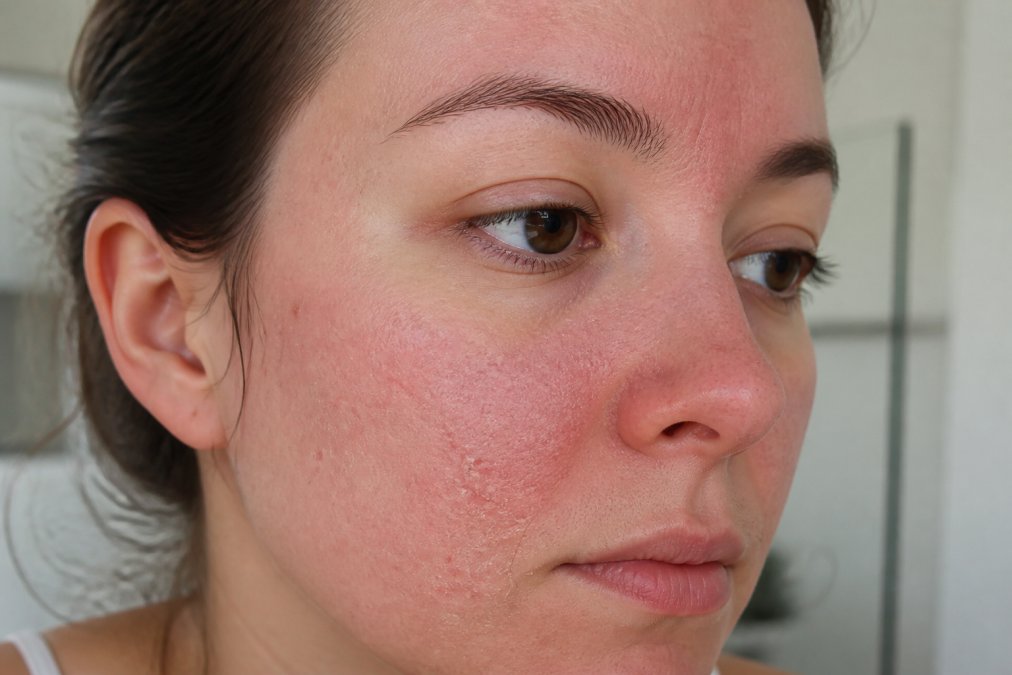
You might notice flaking, rough texture, or sudden oiliness as skin overcompensates for moisture loss. Many develop eczema-like symptoms because the barrier can no longer protect against environmental stressors. If your skin reacts to everything, water temperature, fragrance, plain moisturizer, your barrier is compromised and irritants penetrate deeper into the intercellular matrix.

What Causes Skin Barrier Depletion
Over-cleansing is the biggest culprit. Harsh soaps and hot water strip away ceramides and cholesterol, the lipids that hold the stratum corneum together (peer-reviewed research). Active ingredients like retinoids, AHAs, and BHAs also accelerate barrier damage when misused, increasing skin permeability faster than your skin can replenish ceramides.
Environmental stressors pile on additional pressure: cold, dry air pulls moisture from skin, UV exposure damages the lipid bilayer, and stress hormones suppress ceramide production. Dietary factors matter too, your body synthesizes ceramides from amino acids and fatty acids, so a diet low in healthy fats and protein limits your skin's ability to manufacture its own ceramides, making topical ceramides essential.
How to Repair Damaged Skin Barrier
Repairing a compromised barrier requires three steps: stop the damage, restore ceramides, and protect during healing.
First, simplify aggressively. Cut out active ingredients temporarily and switch to a gentle, ceramide-rich cleanser with lukewarm water.
Second, layer ceramides strategically. Use a hydrating toner, then apply a ceramide serum immediately after. The Barrier Biome Serum feeds your skin's microbiome while delivering hydration. Follow with a ceramide moisturizer at night, the Ceramide Barrier Night Cream delivers ceramides and hyaluronic acid into the lipid layer while you sleep.
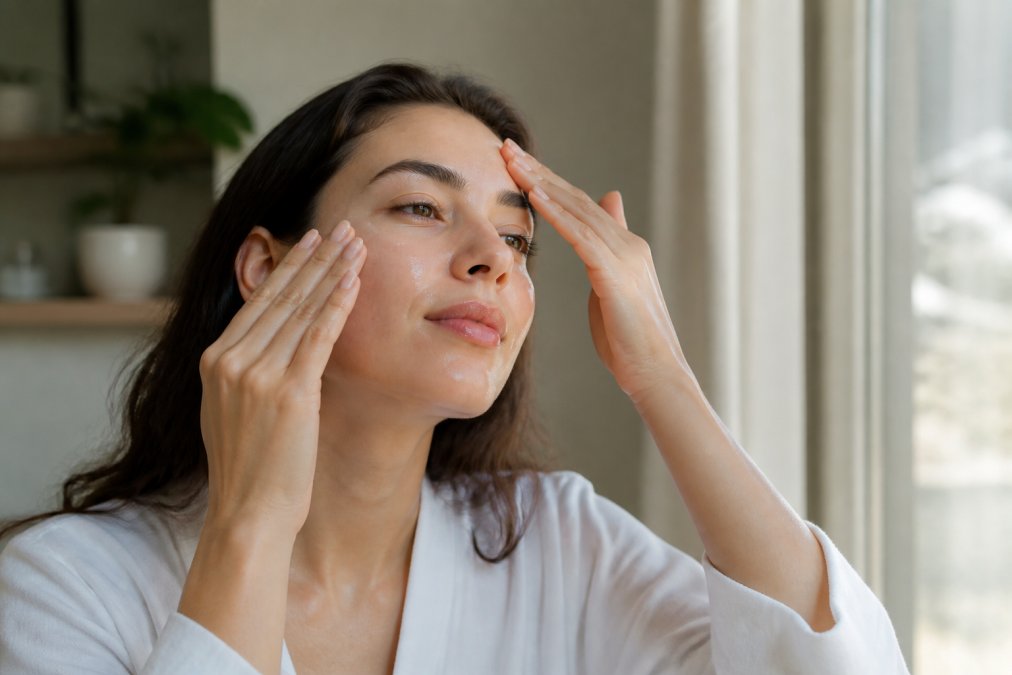
Third, protect your barrier while it heals. Avoid hot showers, harsh fabrics, and environmental extremes. Use a humidifier in dry climates and wear sunscreen daily. Reintroduce active ingredients slowly once your barrier shows recovery, reduced redness, improved texture, less sensitivity. Start with one active once or twice weekly, always followed by ceramide moisturizer.
Frequently Asked Questions
Q: How do I know if my skin barrier is damaged?
A: A compromised skin barrier shows visible signs: persistent redness, burning or stinging sensations, increased sensitivity to products you've used before, unexplained itching, and a tight or uncomfortable feeling. Your skin may also feel dehydrated despite using moisturizer, or you may experience unexpected breakouts. These symptoms indicate your lipid barrier has lost its ability to retain water and protect against irritants.
Q: What causes skin barrier depletion?
A: Ceramides deplete from over-exfoliation, harsh cleansers, environmental stressors like pollution and extreme weather, prolonged sun exposure, and certain medications. Aging naturally reduces ceramide production, as does using products with high alcohol content. Even stress and poor sleep can compromise barrier integrity by increasing transepidermal water loss and reducing your skin's ability to maintain its lipid matrix.
Q: Can ceramides really repair a damaged skin barrier?
A: Yes. Ceramides work by replenishing the intercellular lipids that hold your stratum corneum together. When applied topically, they fill gaps in the lipid bilayer, reduce transepidermal water loss, and restore barrier function. Products like the Ceramide Barrier Night Cream deliver ceramides directly into the lipid layer, supporting your skin's natural repair process while you sleep.
A damaged skin barrier doesn't repair itself without support. Ceramides are the active ingredient your skin needs most when it's compromised, not an optional add-on. Aeran Skincare's barrier-first formulations deliver ceramides, hyaluronic acid, and prebiotics designed specifically to restore skin barrier integrity and support sensitive, dry, and reactive skin. Get started with the Ceramide Barrier Night Cream and experience visible repair within weeks.