


Keep Skin Hydrated All Day: A 4-Step Guide
Table of Contents
- Recognize Signs of Dehydrated Skin
- How to Layer Skincare for Maximum Hydration
- Choose a Lightweight Moisturizer for Oily Skin
- Understand the Benefits of Ceramides for Skin
- Frequently Asked Questions
Last Updated: September 1, 2026
Recognize Signs of Dehydrated Skin
Dehydrated skin lacks sufficient water content, compromising your skin barrier. Unlike dry skin (a skin type), dehydration is temporary and affects any skin type, even oily skin. Signs include tightness, flakiness, dull texture, and pronounced fine lines. Ignoring dehydration backfires: your skin compensates by producing excess oil, trapping bacteria and triggering breakouts.
How to Layer Skincare for Maximum Hydration
The order you apply products determines how effectively each ingredient penetrates. Heavier products block lighter ones from absorbing, so sequence matters.
Start with a hydrating toner or mist after cleansing. The Barrier Mist from Aeran Skincare works perfectly here, with hyaluronic acid and prebiotics that hydrate while protecting your barrier. Apply it to damp skin for maximum absorption.

Next, apply your serum. The Hyaluronic Acid Firm Serum absorbs quickly without residue, making it ideal for layering. Wait 30-60 seconds before moving to the next step.
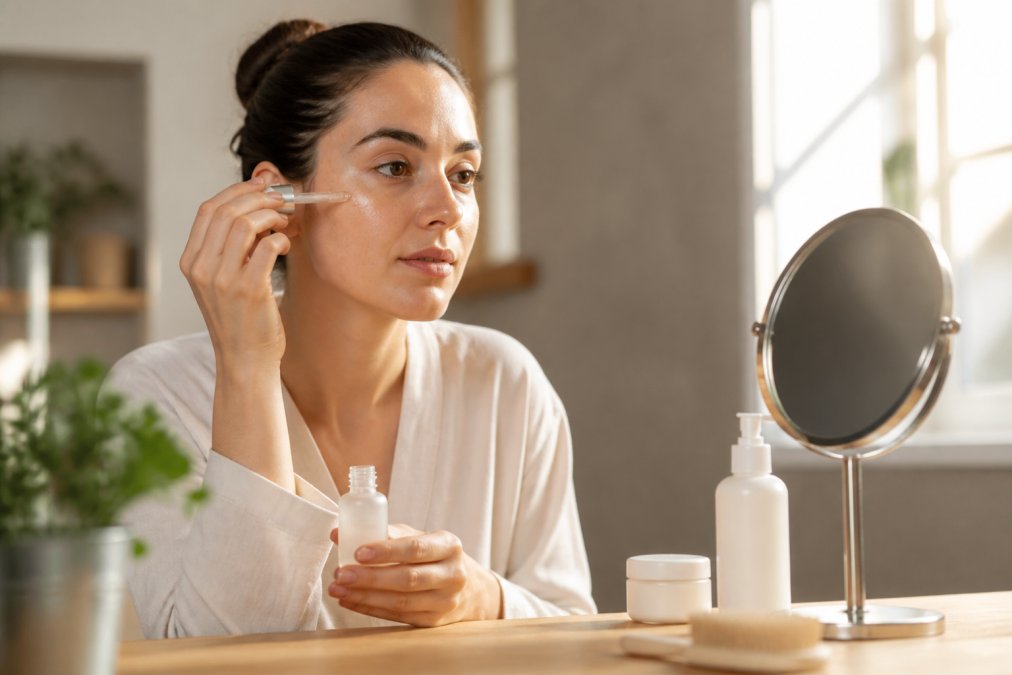
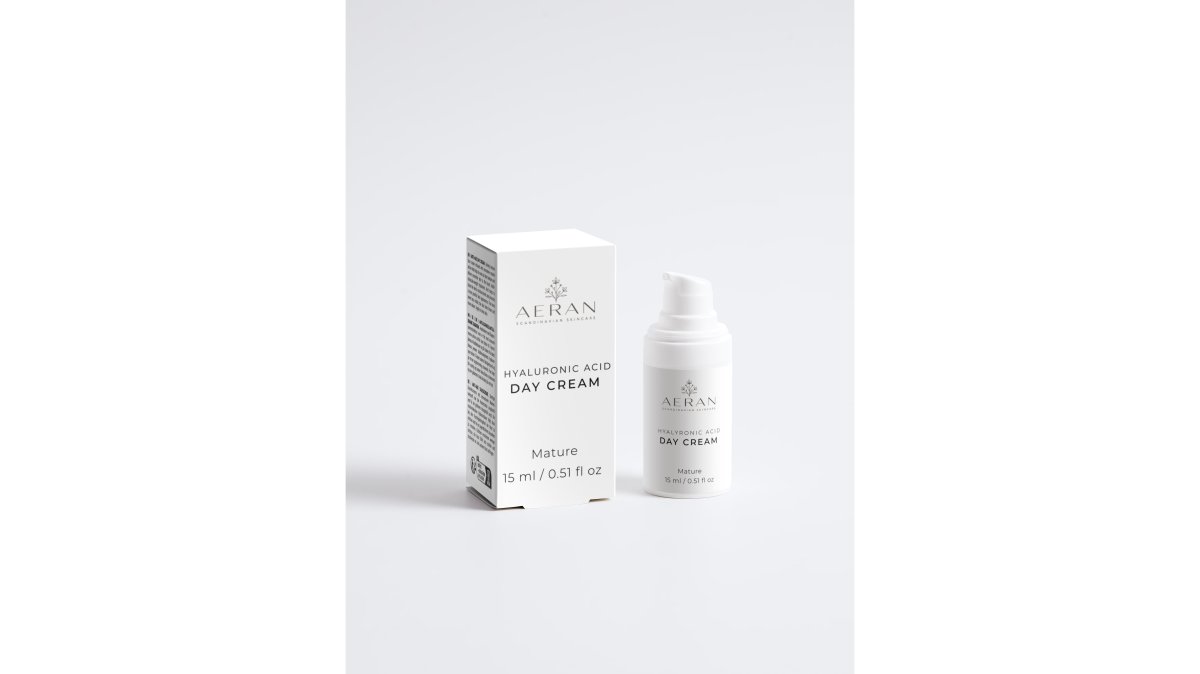
Finally, seal everything with a lightweight moisturizer. For daytime, use something that won't feel heavy. For nighttime, go richer. The HA Day Cream provides hydration without heaviness, while the Ceramide Barrier Night Cream delivers intensive repair while you sleep.
Choose a Lightweight Moisturizer for Oily Skin
Many people with oily skin skip moisturizer entirely, which worsens the problem. When your skin lacks hydration, it overproduces sebum to compensate. Find a non-comedogenic moisturizer that hydrates without clogging pores or leaving greasy residue.
Look for humectants like hyaluronic acid, which draw water into your skin. Ceramides are equally essential, these lipids strengthen your skin barrier, reducing excess oil production naturally. The HA Day Cream combines hydration with barrier support, delivering results without greasiness.
Apply your lightweight moisturizer to damp skin immediately after your serum. Use only a pea-sized amount; if you feel sticky after 10 minutes, you've applied too much.
| Ingredient | Purpose | Best For |
|---|---|---|
| Hyaluronic Acid | Draws water into skin | All skin types, especially dehydrated |
| Ceramides | Strengthens skin barrier | Oily skin needing barrier repair |
| Glycerin | Humectant that retains moisture | Sensitive and compromised skin |
| Aloe Juice | Soothing and hydrating | Irritated or reactive skin |
Understand the Benefits of Ceramides for Skin
Ceramides are lipids that naturally comprise roughly 50% of your skin barrier (peer-reviewed research). When your barrier is compromised by harsh cleansers, environmental stressors, or over-exfoliation, ceramide levels drop significantly (peer-reviewed research). These lipids work as occlusives, creating a protective seal that prevents transepidermal water loss (peer-reviewed research). When ceramides are depleted, your skin feels tight and fine lines become more visible from lack of plumpness. The Ceramide Barrier Night Cream delivers ceramides directly into your lipid layer, rebuilding what daily exposure depletes.
Dietary fats also support skin health from within. Omega-3 and omega-6 fatty acids from fish, nuts, and seeds contribute to your skin's natural lipid production.
Keeping your skin hydrated requires a strategic combination of the right products and consistent technique. Your skin barrier is your first line of defense against dehydration, and ceramides are essential for maintaining it. Start with a hydrating mist, layer in a serum, and seal with a lightweight moisturizer, this sequence delivers visible results. Aeran Skincare's barrier-first formulations, including the Ceramide Barrier Night Cream and HA Day Cream, are specifically designed to support dehydrated and compromised skin with clean, Scandinavian-formulated ingredients that actually work.
Frequently Asked Questions
Q: What are the main signs of dehydrated skin?
A: Dehydrated skin often feels tight, especially after cleansing, and may appear dull or flaky. You might notice fine lines appear more pronounced, and your skin can feel uncomfortable without feeling oily. Tightness after showering or in dry environments signals that your skin barrier isn't retaining moisture effectively. Unlike dry skin type, dehydrated skin lacks water content but can occur on any skin type, including oily complexions.
Q: Does drinking more water actually hydrate your skin?
A: Drinking water supports overall skin health, but it doesn't directly hydrate dehydrated skin. Your skin's hydration depends on its ability to retain moisture through the skin barrier, which requires ceramides, humectants like hyaluronic acid, and occlusives. Topical hydration products work more effectively than water intake alone because they create a barrier that prevents transepidermal water loss. Focus on both internal hydration and a skincare routine with barrier-supporting ingredients.
Q: How do ceramides help repair a damaged skin barrier?
A: Ceramides are fatty acids that fill gaps in your lipid barrier, the outermost layer responsible for moisture retention and protection against environmental stressors. When your barrier is compromised, ceramides help rebuild its structure and reduce transepidermal water loss. Products like the Ceramide Barrier Night Cream deliver ceramides directly into the lipid layer, allowing your skin to repair itself overnight. Consistent use supports skin texture and reduces tightness.